10-year-old Finnley Hynes relearns everyday life after playground fall
After a May 2025 playground fall left 10-year-old Finnley Hynes quadriplegic, she spends her days in physiotherapy and occupational therapy as her family prepares to retrofit their home.
Copy link
By Torontoer Staff
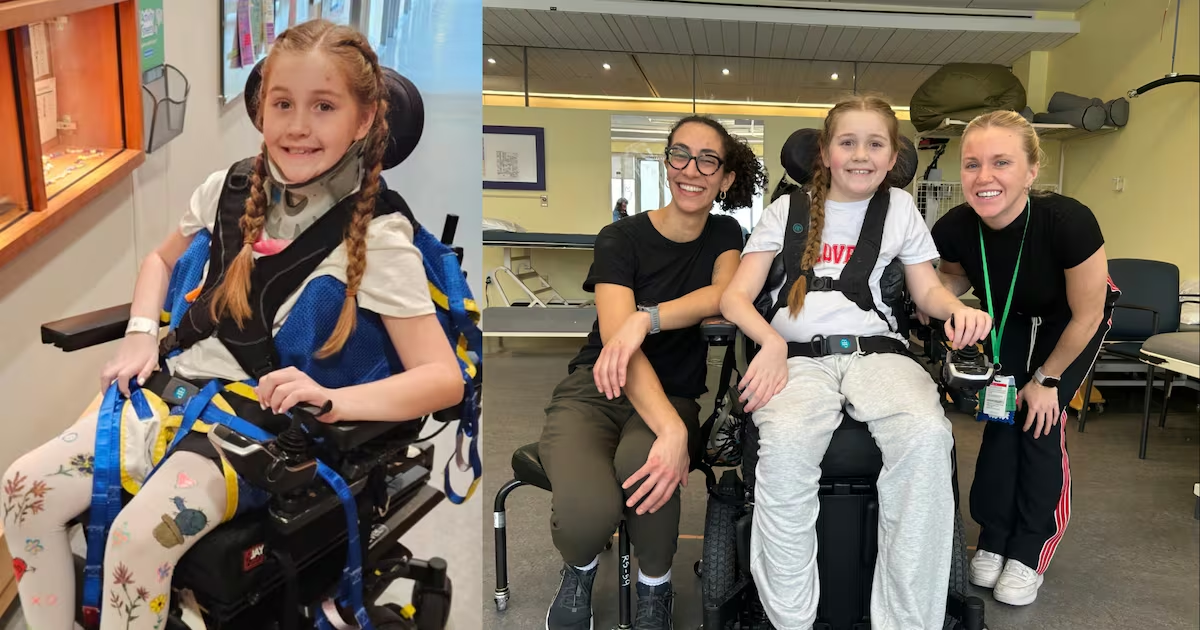
Ten-year-old Finnley Hynes is relearning movements many take for granted after a playground fall in May 2025 fractured her cervical spine and left her quadriplegic. She spent emergency hours at SickKids Hospital, underwent cervical spine fusion surgery, and has been in rehabilitation at Holland Bloorview for the past eight months.
Finnley practises walking, sitting and transfers as part of a daily physiotherapy and occupational therapy routine. Her parents say progress has been steady, and the family is preparing to adapt their Oshawa home before she is discharged next month.
Relearning daily life
Therapy focuses on practical skills that support independence. Finnley uses a power chair, is feeding herself, and is practising sitting independently and transferring with assistance. Her days are structured around therapy sessions, rest and practicing new movements outside formal sessions.
She gets up every day and goes to her physio and her OT. She’s learning how, at a very young age, to live life again. We had to pivot. She’s had to learn new things, but she just does it with a smile.
Melissa Morrison, Finnley’s mother
Medical timeline and rehabilitation
Craig Hynes, Finnley’s father, described the moment he realised something was seriously wrong. After the fall he found his daughter on the ground, looking up and saying she could not feel her legs. Finnley was stabilised and transferred to SickKids for surgery before moving to Holland Bloorview for ongoing rehabilitation.
I knew something was wrong.
Craig Hynes
Hospital staff report that Finnley has remained engaged and active in therapy. Progress after cervical spine injuries varies by case, but early, consistent rehabilitation and family support are important contributors to functional gains.
She’s awake, she’s participating, she’s engaged in therapy. She uses a power chair, she’s feeding herself, she’s working on sitting independently and doing transfers. It’s really been amazing to see that progress.
Dr. Fisher, Holland Bloorview Rehabilitation Hospital
Community support and fundraising
The family has received wide community support since the injury. Neighbours and strangers have dropped off meals and helped with bills, and a GoFundMe campaign has been launched to pay for home modifications needed for Finnley’s return.
- More than $40,000 raised so far through the family’s GoFundMe
- Local donations of meals and practical support
- Ongoing offers of help from the Oshawa community
Before Finnley can come home the family must make the house wheelchair accessible. Common adaptations for families in similar situations include ramps, widened doorways, ground-floor bedroom and bathroom access, and lift or stairlift installation. Exact plans will reflect the home’s layout and Finnley’s evolving needs.
Milestones and family perspective
Milestones that might seem small to others are significant for the Hynes family. Each improvement in Finnley’s ability to perform daily tasks is celebrated as progress toward greater independence. Her mother calls her a hero for the resilience she has shown during rehabilitation.
She’s my hero. She is unbelievable.
Melissa Morrison
As discharge approaches, the family is balancing practical preparations with ongoing therapy goals. Their focus remains on creating a safe, accessible home environment and continuing the work that has supported Finnley’s steady gains in function and confidence.
Finnley’s case highlights the role of rehabilitation, family involvement and community support in recovery after serious childhood injuries. The family continues to accept help from the community as they move toward the next phase of care and daily life at home.
rehabilitationaccessibilitychild healthcommunityHolland Bloorview