Canada Groceries and Essentials Benefit: GST credit raised 25% for five years
The federal government is increasing the GST credit, renaming it the Canada Groceries and Essentials Benefit, with a one-time top-up this year and higher annual payments starting in July.
Copy link
By Torontoer Staff
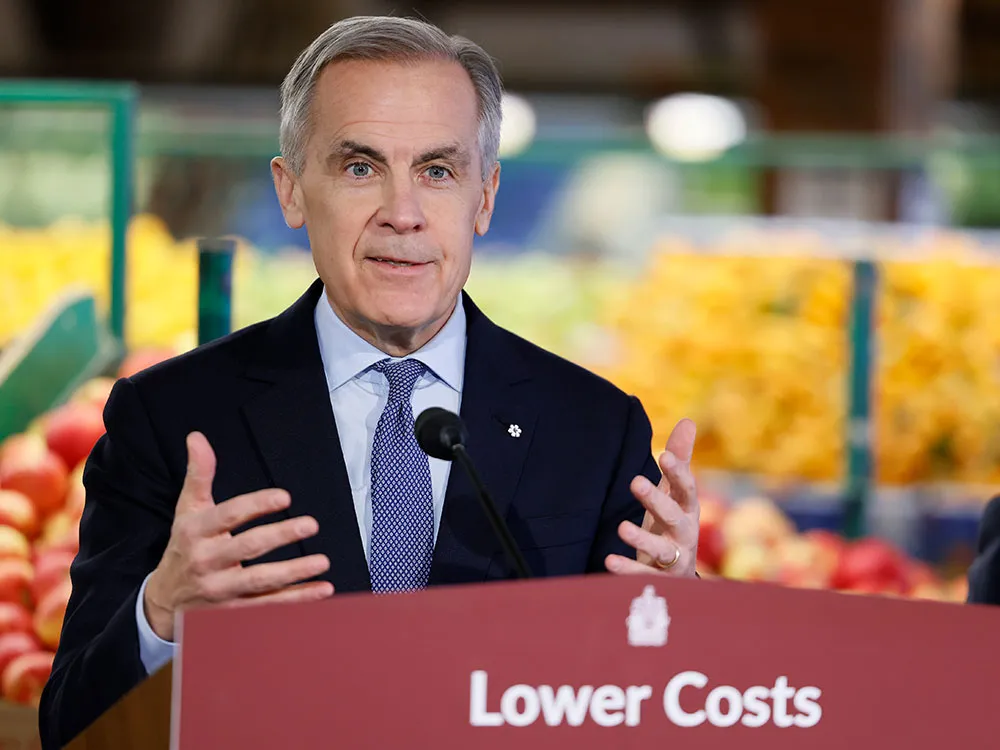
The federal government announced Tuesday that the Goods and Services Tax credit will be renamed the Canada Groceries and Essentials Benefit and increased by 25 per cent for five years, with payments starting in July. The package also includes a one-time top-up equal to a 50 per cent increase for this year.
Officials said the changes are intended to give households more immediate help with food and other essential costs as the government works on longer term measures to stabilise food supplies and competition in domestic markets.
What the benefit will pay
The government provided examples of how the new benefit will affect typical households. A family of four could receive up to $1,890 this year, reflecting the one-time 50 per cent boost, and about $1,400 annually for the next four years. An individual may receive up to $950 this year and roughly $700 a year for the next four years.
- Family of four: up to $1,890 this year, about $1,400 per year for the next four years
- Individual: up to $950 this year, about $700 per year for the next four years
Our government is taking direct action to make life more affordable for Canadians. We are providing immediate relief on groceries and essentials, while strengthening domestic food production, competition and supply chains to build a more resilient, affordable economy for the future.
Finance Minister François-Philippe Champagne
Other supports announced
The announcement included complementary measures intended to reduce cost pressures beyond the direct payments.
- $500 million in a Strategic Response Fund to help businesses manage supply chain disruptions so costs do not get passed to consumers
- $20 million for the Local Food Infrastructure Fund to support food banks and community food programs
- Development of a National Food Security Strategy to strengthen domestic production and improve access to affordable food
Why this is happening
Statistics and market data show food prices in Canada have been rising faster than overall inflation, in many cases at roughly double the rate. Policymakers point to pandemic-era price shocks, global supply disruptions and higher input costs for producers as drivers of current increases.
Practical steps for households
The extra payments are intended to provide short-term relief. Households can consider several practical options to stretch the benefit further and reduce weekly food costs.
- Prioritise staples and items with longer shelf life to reduce shopping frequency
- Compare unit prices and plan meals around sale items to lower per-meal costs
- Use community resources, such as food banks and local food programs, if needed; the government has allocated additional funding to support those services
- Set aside part of the payment for irregular grocery needs, for example seasonal price spikes or bulk purchases
Households should watch official communications for details on timing and eligibility. Governments typically deliver GST-related credits through the Canada Revenue Agency, but specifics on payment dates and enrolment will be published by officials ahead of disbursement.
What to expect next
The increased benefit takes effect in July, with the one-time top-up arriving this year. The government says it will continue to pursue trade deals and investments aimed at strengthening supply chains and competition, actions it says will help reduce food costs over the longer term.
For now, the measure provides immediate cash support for many households and targeted funding for community food services. Consumers should follow government updates to confirm when and how payments will be issued and to check whether they need to update tax or benefit information to receive the new amounts.
cost-of-livinggroceriespersonal-financegovernment-benefits