Diane Francis: Trump can’t afford to buy Canada
Diane Francis, author of Merger of the Century, says a 2013 valuation showed Canada was worth far more than the U.S., making a U.S. buyout politically and financially impractical.
Copy link
By Torontoer Staff
Diane Francis, author of the 2013 book Merger of the Century, says a theoretical U.S. takeover of Canada would be prohibitively expensive. Her analysis, prepared with an investment banker and based on asset data from the CIA World Factbook, put Canada $17 trillion richer than the United States in 2013.
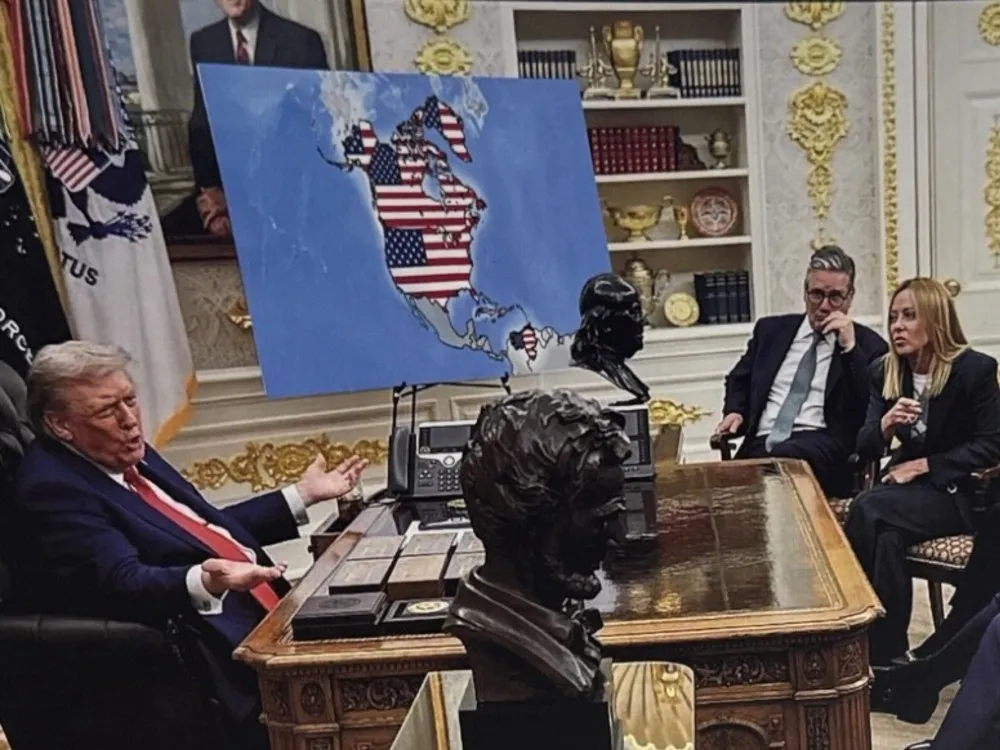
Francis raised the valuation again in response to recent gestures from the White House, including a doctored map posted by President Donald Trump and renewed attention on Greenland. She argues the numbers make a formal buyout unrealistic, though they underline why Canada must safeguard its economic and strategic assets.
How Francis calculated Canada’s value
Francis and her co-author compared major asset categories across the two countries, using public data to quantify relative worth. Their model focused on long-term, non-financial assets as well as fiscal indicators, to capture what a buyer would really be acquiring.
- Natural resources: oil, gas, water, minerals and metals, especially untapped Arctic reserves, valued between US$9 trillion and US$15 trillion
- Landmass and geography: nearly seven per cent of the world’s land mass, extensive forests and freshwater resources
- Energy assets: hydroelectric potential, uranium, natural gas, rare earths and other critical minerals
- Arable land: significant underutilised agricultural acreage
- Financial measures: foreign exchange reserves, gold holdings, public debt and external debt comparisons
Using that framework, they concluded Canada was worth about US$17 trillion more than the United States in 2013. Adjusted for inflation and current population figures, Francis says that gap would be roughly US$23 trillion today, or about US$561,000 per Canadian based on a population of 41 million.
Why a buyout is unlikely, and why it matters
Francis stresses that her book did not advocate a sale. It was intended to quantify what Canadians would deserve if a takeover were ever attempted, and to warn Ottawa about weak security and fiscal choices that could make Canada vulnerable. She points to long-standing shortfalls in military spending and Arctic strategy as manageable risks, but not invitations to be purchased.
You may try to buy Greenland, but you can’t afford Canada.
Diane Francis
Beyond price, political obstacles are substantial. Polling cited by Francis shows little appetite in either country for a merger. A formal absorption would create immediate electoral and governance issues for the United States, given the political preferences of Canada’s population. Economically, many of Canada’s resources and companies are already accessible through decades of U.S. investment and corporate acquisitions, reducing the need for any purchase to secure access.
Security, trade and the Golden Dome proposal
Francis also points to recent White House rhetoric linking military protection to closer integration. She references a proposal that would have Canada contribute US$61 billion toward a continental missile-defence system, the so-called Golden Dome, or join the United States and receive it for free. That framing combines security and transaction language in a way she says raises legitimate concerns about leverage over Canadian policy.
At the same time, tariffs and trade friction have shown how economic relations can be weaponised. Francis uses these episodes to argue Ottawa should not rely on goodwill to protect its assets and sovereignty.
What Ottawa should consider
Francis’s core recommendation is straightforward: strengthen defence, clarify Arctic and resource policy, and ensure the country’s economic value is managed for Canadians. That means meeting international security commitments, investing in military readiness where needed, and developing frameworks to keep critical resources and infrastructure resilient.
She also notes that much of the risk is political rather than strictly financial. Protecting sovereignty depends on policy choices, regulatory clarity and strategic investment more than a single valuation calculation.
What to take away
Francis’s valuation is a reminder that Canada’s assets are extensive and valuable. A formal U.S. purchase is economically and politically implausible, but the underlying point is practical: Canada must manage its resources and security deliberately to retain control over its future. Strengthened defence planning, clearer Arctic strategy and careful stewardship of resource wealth are the concrete steps she urges Ottawa to pursue.
Her message is aimed at policymakers and the public alike: quantify your nation’s value, then act to protect it.
Diane FrancisCanadaUnited Statessovereigntydefence