Fecal transplants, a TDSB school in upheaval and a courthouse assault allegation: what to know
A look at fecal microbiota transplants gaining traction in care, staffing turmoil at a Toronto District school, and a lawyer’s claim of police violence at an Oshawa courthouse.
Copy link
By Torontoer Staff
Three separate stories are drawing attention across health, education and the justice system in the GTA. Researchers and clinicians are using faecal microbiota transplants to treat infections and explore benefits for cancer patients. At a Toronto District School Board site in the suburbs, staff suspensions and firings have fuelled parental anger and renewed debate over paid leaves. And in Oshawa, a lawyer alleges she was assaulted by police inside a courthouse, prompting reassignments and calls for an independent review.
These developments highlight how medical innovation, school governance and policing intersect with community trust. Below is what happened, why it matters and what to watch next.
Faecal microbiota transplants: what they do and where research stands
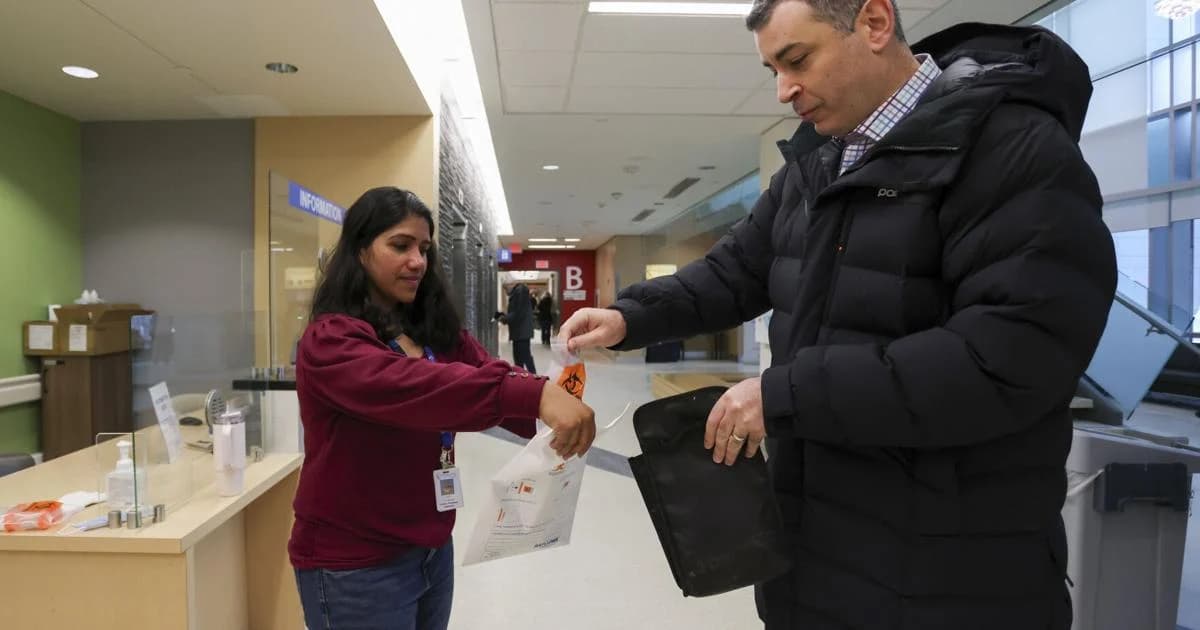
Faecal microbiota transplantation, often abbreviated FMT, transfers processed donor stool into a patient’s gastrointestinal tract. Clinicians have long used FMT to treat recurrent Clostridioides difficile infection, where restoring a healthy gut microbiome can resolve life-threatening diarrhoea that does not respond to antibiotics.
More recently, researchers have been investigating whether manipulating the gut microbiome can improve responses to cancer treatments, particularly immunotherapies. Early studies and anecdotal reports suggest some patients with advanced cancer may experience clinical benefit when FMT is combined with standard therapies. Trials remain small and experimental, and clinicians emphasise that FMT is not a routine cancer treatment.
Hospitals and research centres administering FMT follow strict donor screening and processing protocols to reduce infectious risks. That includes medical history reviews, blood tests and stool testing. Patients considering FMT should discuss the evidence, risks and alternatives with their oncologist or infectious disease specialist.
Turmoil at a TDSB school: firings, paid leaves and parental protests
A school under the Toronto District School Board has become the focal point of staffing upheaval after multiple firings and staff placed on paid leave. Parents at the site have expressed frustration with an apparent lack of transparent communication and what they describe as disruption to students’ education.
The TDSB has been spending tens of millions of dollars on paid leaves for staff system-wide, a practice that the board says it is reviewing. Paid administrative leaves are meant to allow investigations to proceed while ensuring employment rights are preserved, but critics argue the approach can erode trust and drain resources.
Board officials say they are working to refine policies so that investigations proceed more quickly and with clearer communication to communities. Parents and staff representatives are calling for timelines, independent reviews where appropriate and supports for students affected by staffing instability.
Oshawa courthouse allegation: officer reassignments and a probe request
A lawyer who says she was assaulted by officers inside the Oshawa courthouse was issued a trespassing ticket minutes after court closed, according to reports. The allegation prompted Durham police to reassign officers involved and to request an independent probe into the incident.
The province’s police watchdog indicated it was not pursuing its own investigation into the alleged assault. That decision has generated criticism from legal advocates who say courthouse safety and the conduct of officers warrant thorough, independent scrutiny.
Authorities say internal and external reviews are sometimes conducted in tandem, and that reassignments can help preserve the integrity of investigations. Observers note that transparency about investigative steps, timelines and outcomes is important to maintain public confidence in both policing and the justice system.
What to watch next
- Clinical trial results and published studies on FMT as an adjunct to cancer immunotherapy.
- TDSB policy changes and any new guidelines limiting the length of paid administrative leaves.
- The outcome of Durham police’s request for an independent probe and any follow-up from the provincial police watchdog or the courts.
Each story raises questions about oversight, evidence and communication. Faecal microbiota transplantation sits at the edge of medical innovation and clinical caution. School suspensions and paid leaves test governance and community trust. Allegations of officer misconduct inside a courthouse highlight the need for clear, credible review processes.
We will continue to monitor developments and report on verified updates, including new research findings, board decisions and investigation outcomes. If you are affected by any of these issues, consider reaching out to your health provider, school trustee or legal association for guidance.
healtheducationpolicingTorontoresearch