Half of Kyiv and parliament left without heating after overnight strikes — how residents are coping
A major Russian strike knocked out heating and power for large parts of Kyiv and the Ukrainian parliament, leaving about one million without electricity in sub‑zero temperatures. Residents are relying on generators, metro shelters and shared resources to get by.
Copy link
By Torontoer Staff
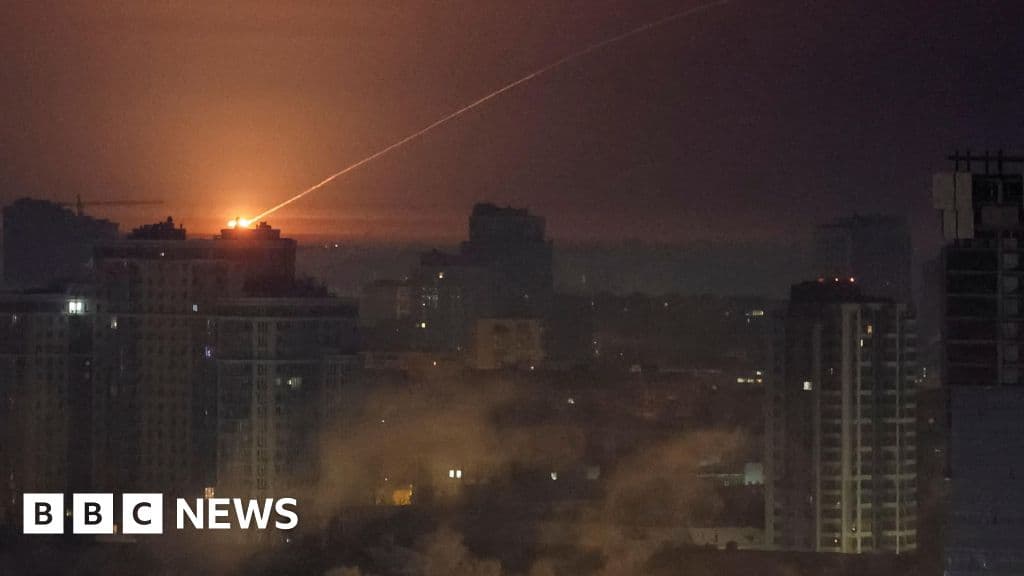
A large Russian aerial strike overnight left the Ukrainian parliament and roughly half of Kyiv's residential buildings without heating and power, officials say. Temperatures across the country remain around -10C, and about one million people in the capital were reported without electricity.
Drones, ballistic and cruise missiles hit multiple locations, including Kyiv, Dnipro and Odesa. President Volodymyr Zelensky said many targets had been intercepted but that repelling the attack had cost Ukraine about €80 million in air defence missiles. At least four people died and 33 were injured in strikes across the country between Monday and Tuesday.
Everyday survival: how people are coping
With central heating and water disrupted in thousands of buildings, residents have turned to practical, sometimes improvised solutions to get through freezing nights. Portable stoves, barbecues in shared yards and buildingwide purchases of generators are now common. Videos circulating online show people barbecuing in snow and using music and dance to stay warm.
I have no electricity and no water. I didn't sleep until 3 a.m. because of the strikes either, there were explosions all night.
Oleksandr Palii, 29‑year‑old veteran
Many parents are making targeted choices to keep day‑to‑day life running. Olha Zasiadvovk, who has a young child, said parents bought lamps and thermal containers for kindergarten meals so food could be cooked when the kitchen had power and kept warm later.
I think people who are less well‑off are coping much worse, the food does not keep very well when power is only sporadic.
Olha Zasiadvovk
- Shared generators and pooled funds for fuel
- Portable stoves and outdoor barbecues when safe to use them
- Cooking multiple meals at once and using thermal containers
- Seeking shelter in deep metro stations overnight
Risks, damage and public services
The strike damaged critical infrastructure. Kyiv mayor Vitalii Klitschko said many buildings had only recently had heating restored after a January attack, and technicians’ work was undone overnight. A large part of the capital also lacks running water. Ukrainian media reported radiators bursting because water froze, causing flooding in some buildings, and there have been fires tied to indoor gas heaters.
More than 10,000 people, including nearly 800 children, spent the night in Kyiv's metro stations, which remain the main option for shelter when high‑rise buildings lack shelters. Public officials urged other parliaments and partners not to remain silent about the damage to basic services at Ukraine's legislature.
The resilience of the Ukrainian people cannot be an excuse for this war to continue. It must end as soon as possible.
Andrii Sybiha, Ukraine foreign minister
What officials say about defence and aid
President Zelensky stayed in Kyiv instead of travelling to the World Economic Forum in Davos, saying he would travel only if security guarantees and a prosperity plan were ready to be signed. He stressed that Russia is using far more ballistic missiles in its attacks and that Ukraine urgently needs more air defence systems and missiles, noting that production capacity has not been dented.
So far, this has not happened. That is why we need more missiles and more air defence systems.
President Volodymyr Zelensky
Practical tips for families during outages
- Plan meals to cook when power is available and use thermal containers to store hot food
- Avoid using indoor gas heaters without proper ventilation, due to fire and carbon monoxide risk
- Keep phones and essential devices charged; use power banks where possible
- Check on neighbours, especially older residents and families with young children
- Know the nearest official shelter or metro station in your area
City services and volunteer networks continue to coordinate assistance, and technicians are working to restore heating and water as quickly as conditions allow. Still, residents say this is the toughest winter since the full‑scale war began in 2022, and collective efforts are stretched by repeated outages and the cold.
As Kyiv residents adapt with practical measures and community support, officials emphasise the wider point: restoring daily life depends on sustained security and international assistance for air defences. For now, coping rests with local resourcefulness and coordinated municipal response.
Kyivpower outageheatingwinterUkrainecommunity