Heavy snow and deep cold: how to prepare for Wednesday’s commute
A yellow snowfall warning covers Toronto for Wednesday, with up to 10 centimetres expected during the morning rush. Practical tips for travel, dressing and home prep.
Copy link
By Torontoer Staff
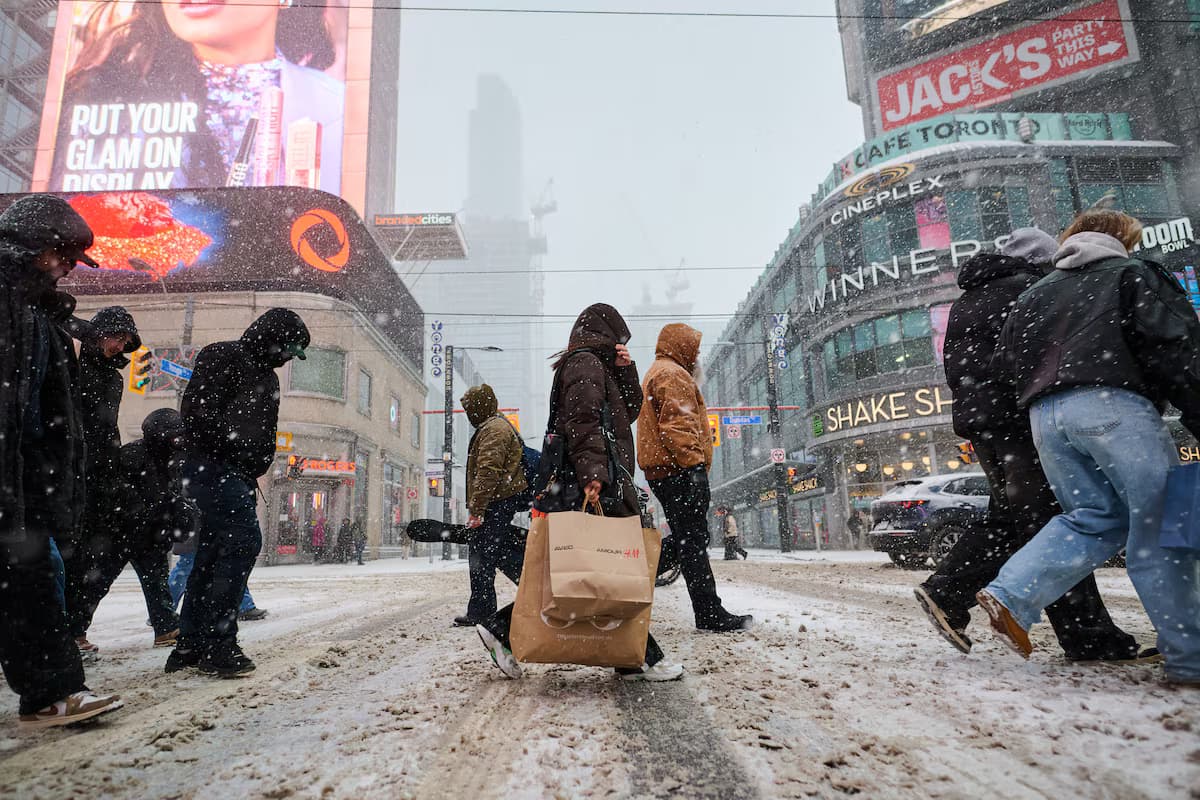
Environment Canada has issued a yellow snowfall warning for Toronto for Wednesday, with up to 10 centimetres expected and the heaviest snow arriving during the morning rush. The agency says an Alberta clipper will push into the region with snow beginning Wednesday morning, impacting the commute.
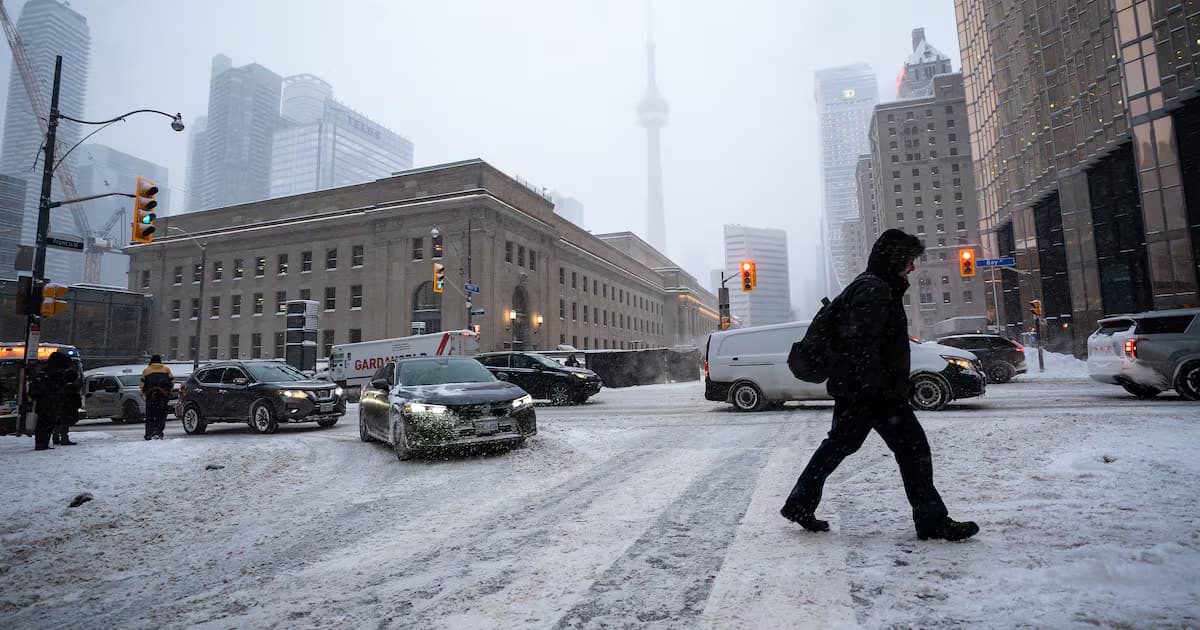
Snow should ease through the afternoon or early evening, but Environment Canada warns travel will likely be challenging, and roads and walkways may be difficult to navigate due to accumulating snow.
What to expect on Wednesday
Expect steady snow through the morning and into the early afternoon, with most accumulation occurring during peak commute hours. The yellow warning applies to Toronto and parts of the Greater Toronto Area, including sections of York Region and Durham Region.
An Alberta clipper will push into the region with snow beginning Wednesday morning impacting the morning commute.
Environment Canada
Environment Canada says the snowfall will likely affect rush hour traffic. Combined with last week’s storm, Wednesday’s system will push this winter’s total snowfall in the region to about 100 centimetres, according to retired Environment Canada climatologist David Phillips.
The cold snap: temperatures and outlook
The storm arrives amid an extended cold snap. Toronto’s highs will hover near freezing on Wednesday, with wind chill making the morning feel closer to -17 C and the afternoon around -8 C. Temperatures fall again later in the week, with daytime highs near -5 C on Thursday and as low as -12 C on Saturday.
This is about as cold as it gets in Toronto.
David Phillips, retired climatologist, Environment Canada
Meteorologists warn of possible wind chills dropping into the -30s overnight in some areas. Lake effect snow bands may also produce isolated flurries, keeping certain snow belts active through the cold spell.
Practical tips for commuting and daily life
Plan for slower travel and build extra time into your schedule. Check transit agency alerts before leaving and be prepared for delays or reduced speeds on major routes. If driving, expect winter road conditions and permit for lower speeds.
- Leave earlier than usual and allow extra stopping distance.
- Check TTC, GO Transit and municipal road updates before heading out.
- Use winter tyres, ensure wipers are in good condition and keep fuel tanks at least half full.
- Carry a charged phone, portable charger and a basic emergency kit in your vehicle.
- Clear snow and ice from all windows, lights and the roof before driving.
Dress for the wind chill and multiple outdoor exposures. Layer insulated, moisture-wicking garments, cover exposed skin, and choose footwear with good traction. For very cold overnight forecasts, protect pets and avoid extended outdoor activity.
Home and community precautions
Take simple steps at home to cope with the extended cold. Keep thermostats at a safe, consistent temperature, insulate exposed pipes where possible and have a backup plan in case of power loss. Check on elderly neighbours and anyone with mobility issues who may need help clearing walks or accessing heating.
- Keep an emergency kit with water, non-perishable food, flashlights and blankets.
- Protect pipes with insulation or tap a slow trickle of water during extreme lows.
- Set a schedule to check in on vulnerable friends and neighbours.
The City of Toronto has opened additional warming centres at 5 p.m., including Cecil Community Centre at 58 Cecil St. and Jimmie Simpson Recreation Centre at 870 Queen St. E. Previously opened centres remain available. Confirm locations and hours on the city website before visiting.
What to pack in your bag or vehicle
- Warm hat, scarf and insulated gloves or mitts.
- Extra socks and an additional warm layer.
- Portable phone charger and small flashlight.
- Non-perishable snack and a bottle of water.
- Compact ice scraper, small shovel and traction aids for the vehicle.
Monitor weather and transit updates through Wednesday morning and consider remote work if your employer allows. If you must travel, treat conditions with caution and prioritise safety over punctuality.
The most important preparation is practical: give yourself time, dress for the cold and have a plan for delays. Staying informed and prepared reduces risk during heavy snow and prolonged low temperatures.
weathercommutewinterTorontocold-snap