How condos could recover, a new route to ownership and the Home of the Week
This week: what a Toronto condo recovery might look like, how prefabricated homes are creating pathways to ownership, renovation choices that add value, and an unfinished lakefront cottage.
Copy link
By Torontoer Staff
Toronto’s condo market shows signs of strain: unsold new units, halted projects and a collapse in speculative pre-construction buying. Recovery is likely to be gradual and uneven, and the product that re-enters the market will look different from the boom years.
At the same time, younger buyers are finding alternative routes into home ownership, renovators are prioritizing curb appeal, and designers are proving you can personalise a rental without permanent changes. We round up what to watch and one property worth a closer look.
How a condo recovery might unfold
The Greater Toronto and Hamilton Area faces a surplus of completed but unsold condominiums and a pipeline of approved projects that developers are cancelling, pausing or converting. The collapse of speculative pre-construction purchases and reduced investor activity mean the traditional financing model is under pressure.
Industry observers say the earliest signs of stabilisation will appear where demand remains steady and supply is constrained, such as prime neighbourhoods and transit-oriented locations. New projects are likely to be smaller in scale, offered for rental or built-to-rent, and marketed with clearer financing and occupancy plans. Expect longer sales timelines, bigger incentives from developers, and more emphasis on quality, sustainability and product that matches local demand rather than speculative luxury.
A new path to ownership: prefabricated housing
Some buyers priced out of conventional condos and detached homes are turning to prefabricated units as a practical way to increase living space at a lower cost. In Vancouver, Maggie Chao and William Bowden built a 911-square-foot laneway home with a prefab builder, Smallworks, and used a Canadian Mortgage and Housing Corporation grant to help cover costs.
Their project moved from groundbreaking to move-in in eight months and cost roughly one-third of what many first-time buyers in the city pay for ground-oriented housing. The couple were able to build on family-owned property, which is not an option for everyone. "We’re very fortunate there," Bowden said.
Renovations that add value, and those that do not
With sales and prices cooling in many markets, sellers are prioritising renovations that deliver clear value and broad appeal. Realtors and contractors generally agree that modest, well-executed work provides the best return, while highly personalised or extreme upgrades can hurt resale prospects.
- Best: Minor kitchen updates, such as cabinet refacing, new hardware and efficient appliances that modernise the space without a full gut renovation.
- Best: Bathroom refreshes that focus on fixtures, lighting and ventilation rather than luxury finishes that exceed neighbourhood norms.
- Best: Neutral paint, durable flooring and improved curb appeal through landscaping and a refreshed front entry.
- Best: Fixes that address obvious maintenance issues, including roofing, windows and mechanical systems, which reassure buyers.
- Worst: Highly personalised layouts or finishes that limit the appeal to a narrow buyer pool.
- Worst: Overbuilding relative to neighbours, where high-end kitchens or additions do not match local market prices.
- Worst: Extensive DIY projects that look unfinished or cut corners on inspections and permits.
- Worst: Trend-driven upgrades that require replacement soon after purchase, such as overly custom millwork or short-lived surface treatments.
Design corner: making a rental feel like home
Interior designer Dimitri Chris transformed a 1,200-square-foot Toronto loft into a personal, moody and bright home without permanent alterations. He focused on low-cost, high-impact moves: layered lighting, textiles, large-scale art, and carefully chosen furniture that defines zones within the open plan.
The project shows how renters can create a cohesive look with pieces that move with them, while avoiding changes that would jeopardise a lease or require costly reversals at move-out.
Home of the Week: a work-in-progress on Lake Ontario
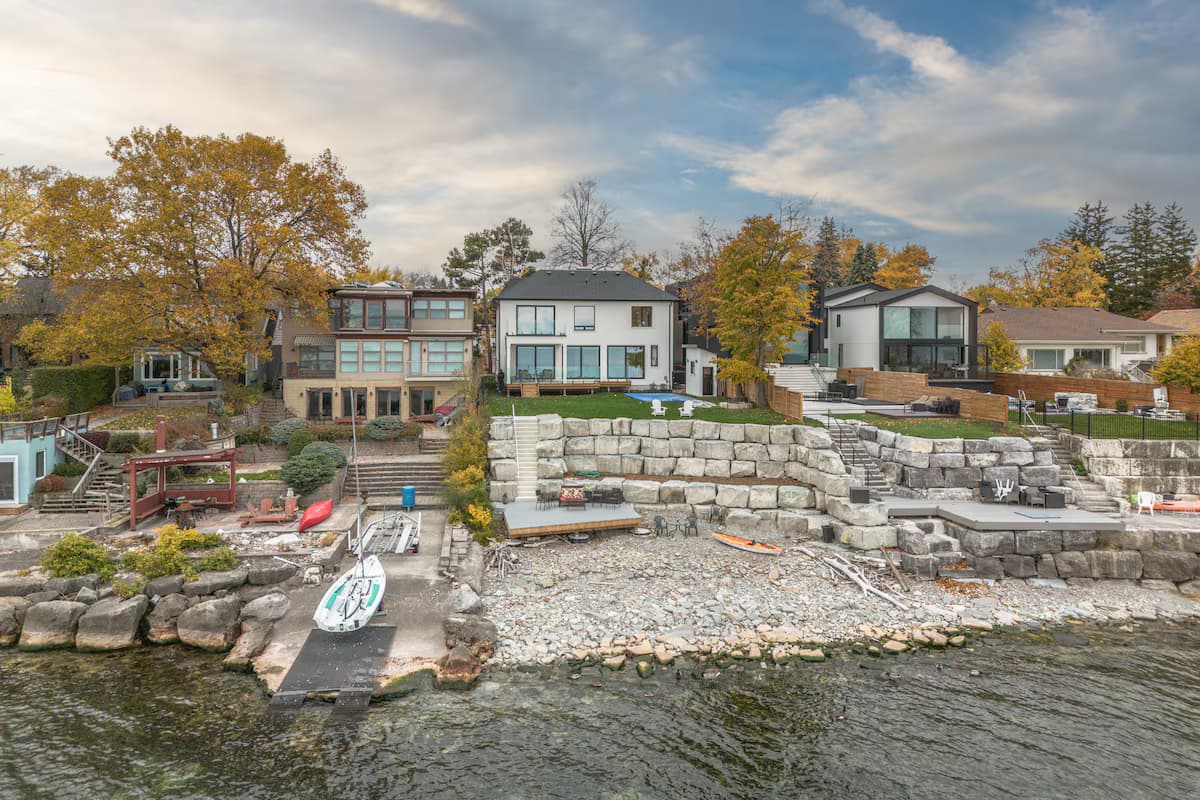
99 Lake Promenade, Toronto — This west-end waterfront property is a rebuilt, net-zero-ready cottage that remains unfinished inside. The structure offers nearly 6,700 square feet of planned living space, a double-height foyer and an open-concept great room with oversized windows facing Lake Ontario and a private stony beach.
Heritage restrictions carried forward from the previous century limit some exterior changes, but the lot includes a grandfathered lakeside deck that is no longer permitted for new builds. The interior requires finishing: floors, fixtures and bathrooms are not yet installed, making this a candidate for buyers who want to personalise an energy-efficient shell rather than a move-in-ready cottage.
Mortgage rates snapshot
Our weekly round-up includes the lowest available fixed and variable mortgage rates in Canada as of market close on Thursday, Jan. 22, separated by insured and uninsured categories. Rates change frequently; check lender listings and speak with a mortgage specialist for the latest terms and for products that match your situation.
Different markets and product types will influence how quickly buyers can take advantage of lower rates or special offers. For those considering renovations or alternative ownership routes, factor financing, timelines and permits into your plan.
Housing choices are diversifying. A slow condo recovery will favour better-aligned product and financing, prefab and laneway options provide new pathways for buyers with limited budgets, and well-targeted renovations continue to move listings. For those weighing the market, the practical approach is to prioritise value, flexibility and projects you can finance and complete without undue risk.
housingrenovationprefabdesignmortgages