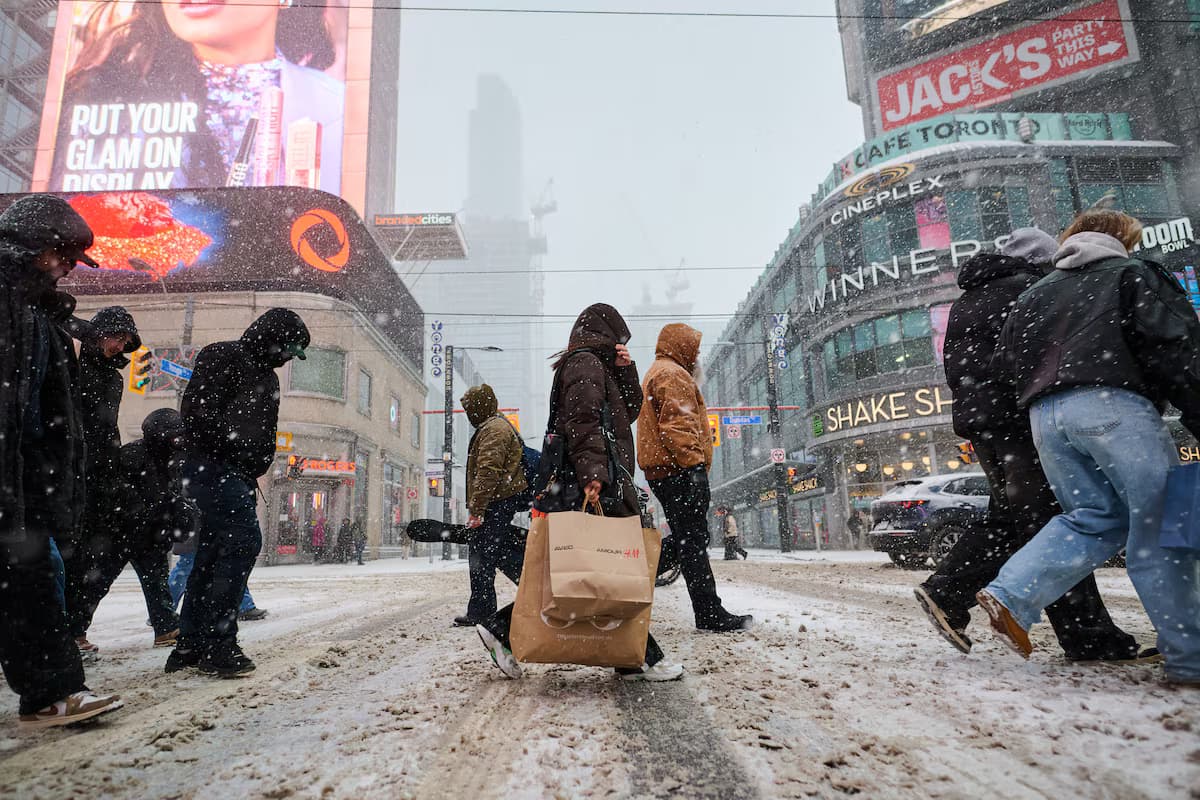
Frostbite can develop in a matter of minutes during the polar vortex settling over Toronto this weekend. Environment Canada forecasts daytime highs near -12 C, wind chills down to -24 C, and overnight lows near -22 C that will feel closer to -31 C with wind.
With gusts expected to reach up to 50 kilometres per hour, cold will feel stronger and skin can lose heat much faster. Experts say limiting time outdoors and protecting exposed skin are the most reliable steps to avoid injury.
How fast frostbite can set in
Timing varies by temperature, wind and the person involved, but cold plus wind significantly shortens the window before tissue damage begins. Olivier Birot, a human physiology professor at York University, gives a general sense of the risk: at -20 C and little wind, frostbite can begin within about 30 minutes for someone who is stationary. With strong gusts, that time can fall to roughly 15 minutes, and in severe wind it can drop to just a few minutes.
If you think about a 60 kilometres wind, which is severe wind, it can fall to two, five minutes to get frostbite.
Olivier Birot, School of Kinesiology and Health Science, York University
Medical commentators offer a wider range to account for age and underlying health. Dr. Marla Shapiro has described the onset as generally between 10 and 30 minutes, depending on the situation. People experiencing homelessness face much higher risk: a Unity Health Toronto study found they are 14 to 18 times more likely to be sent to the emergency room for cold-related injuries.
Frostnip, frostbite and hypothermia: what to watch for
Frostnip is the earliest sign of cold injury. Skin turns red, stings and may feel numb, but the damage is reversible if you warm the area and get out of wet clothing. Frostbite follows prolonged exposure and becomes a medical emergency when skin tissue freezes and hardens.
That’s where you get permanent damage to the skin tissue. Skin gets hard, it can turn blue. You have to go to the emergency room.
Dr. Allan Grill, chief of family medicine, Markham-Stouffville Hospital
Hypothermia is separate from frostbite and occurs when the body’s core temperature drops. Watch for shivering, confusion, exhaustion, slurred speech and lack of coordination. If those signs appear, seek medical care immediately.
Protecting skin and lungs in extreme cold
Cover exposed extremities. Birot notes a significant portion of heat loss happens through the head, so a warm hat plus windproof outer layers, gloves and a scarf will reduce risk. Windproof, waterproof and breathable clothing with removable layers helps regulate temperature during activity.
Like, 30, 40 per cent of the heat dissipation is through your head, so it’s very important to wear something on your head, protect your skin.
Olivier Birot
Breathing cold air does not damage the lungs, but it can irritate airways and provoke symptoms in people with asthma or other respiratory conditions. Jack Goodman, professor emeritus at the University of Toronto, advises those with respiratory issues to bundle up and limit exposure to cold, dry air.
Practical steps to stay safe
- Limit time outdoors when wind chill is extreme and take frequent warm breaks indoors.
- Cover ears, nose, cheeks, fingers and toes, using insulated, windproof gloves and footwear.
- Use layered clothing that breathes and allows removal during activity to avoid sweating.
- Avoid direct contact with cold metal, which increases frostbite risk.
- Check on people who are vulnerable to cold, including older adults and people experiencing homelessness.
- Seek emergency care if skin hardens, turns blue, or if you see signs of hypothermia.
Working and exercising outdoors
Dress for the activity. People often overdress for vigorous activity and then sweat, which can increase risk in cold weather. Choose wind-blocking outer layers, breathable mid-layers and a base layer that wicks moisture. Warm up slowly before vigorous effort.
Even consider snow shoveling the same way you would consider a run. Warm up slowly. Don’t shovel it all at once.
Jack Goodman, professor emeritus, University of Toronto
Workers who remove gloves to handle tools should be cautious. Reduced sensation and dexterity increase the chance of injury, and handling metal or cold surfaces raises frostbite risk.
The task might be more difficult because you’re going to lose the sensation, you’re going to lose the dexterity, and any piece of metal that you’re going to also use is going to increase your risk of frostbite.
Olivier Birot
If you do develop frostnip, warm the area gradually and seek shelter. For signs of frostbite or hypothermia, go to the emergency room. With wind chill extremes this weekend, quick action and appropriate clothing will reduce the odds of a preventable cold injury.