How to prepare for Wednesday’s snowfall: 10 cm, poor visibility and hazardous travel expected
Environment Canada warns of nearly 10 cm of snow and blowing snow Wednesday. Practical tips for commuting, staying warm and keeping your home safe.
Copy link
By Torontoer Staff
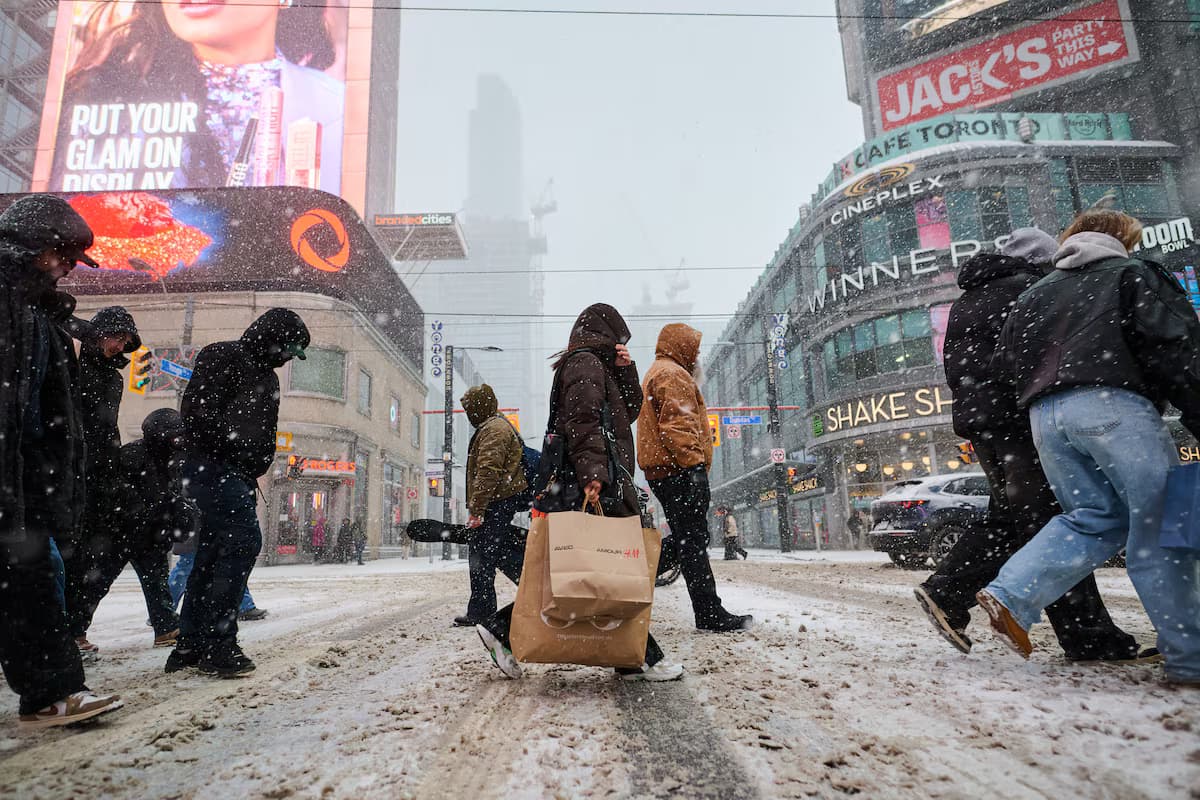
Environment Canada has issued a snowfall warning for Toronto and parts of the GTA, calling for close to 10 centimetres of snow Wednesday and poor visibility in heavy and blowing snow. The snow is expected to start in the morning and ease late in the afternoon, with wind chill making temperatures feel much colder than the mercury indicates.
Travel will likely be difficult, the agency says. The province’s Highway Safety Division says provincial police responded to roughly 40 collisions in the GTA since midnight on Wednesday, and it is urging drivers to adjust their speed and plans to match road conditions.
What to expect Wednesday
Expect accumulating snow through the morning into the afternoon, with patches of heavy snowfall and blowing snow reducing visibility. daytime highs are near minus 1 C, but wind chill will make it feel like about minus 16 C in the morning and minus 7 C in the afternoon. Overnight lows drop to around minus 8 C, with wind chill near minus 15 C.
Environment Canada classifies the alert as a yellow warning, which denotes hazardous weather that can cause disruption, damage or health impacts. Yellow warnings are common and shorter in duration than orange or red alerts, but they still require adjustments to daily plans.
Practical commute advice
If you must travel, leave earlier and expect slower traffic. Snow accumulation and reduced visibility will affect morning and evening travel, and secondary roads and walkways are likely to be slippery. Public transit may experience delays.
- Allow extra travel time and check transit alerts before you leave.
- Reduce speed, increase following distance and avoid sudden manoeuvres.
- Keep headlights on low beam in heavy snow for better visibility.
- If driving, ensure your vehicle has good winter tyres and that brakes, lights and wipers are working.
- Carry an emergency kit in your vehicle with a blanket, water, snacks, phone charger and small shovel.
OPP would like to continue to remind motorists to drive according to weather and road conditions.
Ontario Provincial Police, Highway Safety Division
Preparing your home
Short-duration snow and wind chill still create everyday hazards. Make a quick check of your home before the storm hits to reduce inconvenience and protect pipes and heating systems.
- Clear eavestroughs and downspouts of ice and debris if safe to do so.
- Set thermostats to maintain a steady temperature to reduce risk of frozen pipes.
- Stock a small supply of essentials, including food, water and medications for 24 to 48 hours.
- Have flashlights and extra batteries on hand in case of a power outage.
- Keep a shovel and ice melt available for steps and walkways to reduce slips.
Dressing for the cold
Wind chill will make it feel substantially colder. Dress in layers and choose fabrics that trap heat while wicking moisture. Protect extremities; hats, insulated gloves and warm, waterproof footwear reduce the risk of frostnip and slips on icy surfaces.
- Base layer: moisture-wicking fabric.
- Mid layer: fleece or wool for insulation.
- Outer layer: waterproof, wind-resistant coat.
- Accessories: insulated gloves, warm hat, scarf, and winter boots with good traction.
Look after children, seniors and pets
Cold and blustery conditions affect vulnerable people and animals first. Limit time outdoors for young children and seniors, and bring pets inside or provide insulated shelter outdoors. Check on neighbours who may need assistance clearing snow or accessing supplies.
When to change plans
If your commute depends on tight schedules or you work outdoors, consider remote options or postponing activities. Heavy snow and reduced visibility can change quickly, so monitor weather updates through Environment Canada and local transit alerts.
Yellow warnings tend to be localized and short-lived, but they still require adjustments. Plan conservatively, prioritise safety and give yourself time to react to changing conditions.
Follow official updates, keep basic supplies on hand and adapt travel plans where possible. Small preparations make a big difference when roads are slippery and temperatures are biting.
weatherwintercommuteEnvironment Canadasafety