How Toronto disposes of real Christmas trees and turns them into compost
Toronto collects real trees on regular garbage days in January, with drop-off and yard waste options later. Trees are processed into compost and diverted from landfill.
Copy link
By Torontoer Staff
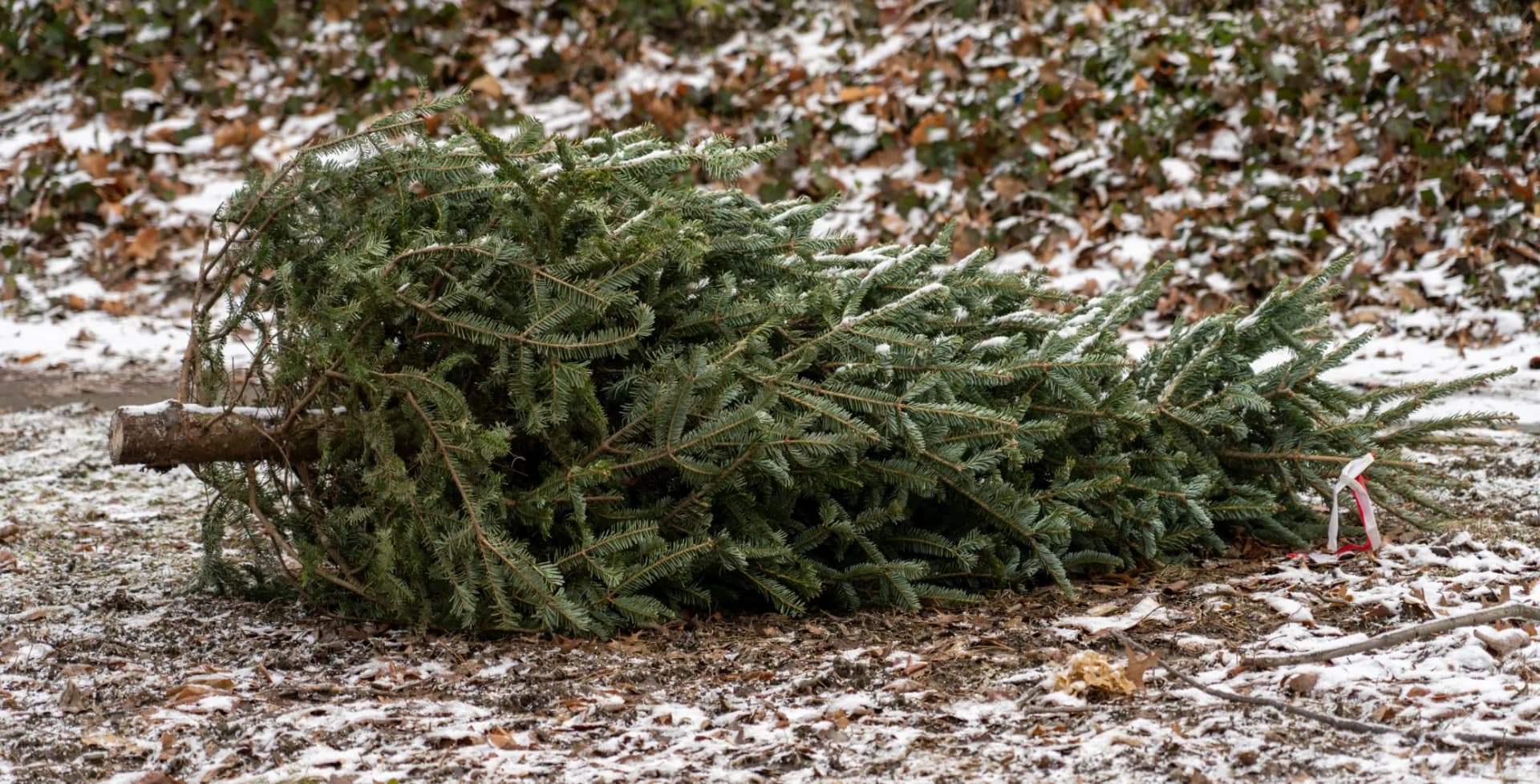
Toronto collects real Christmas trees on regular garbage days through January. Trees that are missed in January can be picked up during yard waste collection when it resumes in neighbourhoods from mid-March to mid-December, or taken to year-round drop-off depots.
To qualify for collection, trees must be free of decorations, placed beside the garbage bin rather than inside it, and left accessible for crews. Multi-residential buildings should follow disposal procedures set by property managers.
How to prepare your tree for pickup
- Remove all decorations, lights, stands, skirts and tinsel.
- Place the tree beside the garbage bin, not inside it or in a bag.
- Leave the tree standing alone, separate from your bins.
- Keep the tree accessible and clear of snow or ice on pickup day.
Pickup and drop-off options
Regular curbside collection in January covers most residential properties. If crews do not collect your tree in January, wait for yard waste collection, which typically resumes in mid-March and runs into December, based on local schedules.
The city also operates designated drop-off depots where residents can bring trees year-round. Christmas trees do not need to be cut to a specific length for these depots, and they can be accepted full size. Check the City of Toronto website for depot locations and hours.
Residents of condos and apartment buildings should contact property management for instructions. Multi-residential buildings often coordinate bulk pickups or have central disposal points.
What happens to trees after collection
Collected trees are handled as part of Toronto's yard waste program and sent to third-party contractors for processing. The city uses windrow composting methods to break down organic material into compost that meets provincial quality standards.
Trees collected as yard waste are processed into compost for residential use, helping divert organic material from landfill.
City of Toronto spokesperson
After windrow processing, samples are analysed in laboratories to ensure the compost meets Ontario Compost Quality Standards. Once approved, the compost is suitable for gardens, landscaping and other residential uses.
The environmental impact
Composting yard waste, including Christmas trees, contributes to Toronto diverting roughly 85,000 tonnes of organic material from landfill annually. Turning trees into compost reduces methane emissions from decomposition in landfills and returns nutrients to soil used across the city.
Windrow composting is a standard municipal method. Contractors pile organic material in long rows, monitor moisture and temperature, and let natural microbial activity break the material down over weeks to months.
Quick checklist before your pickup day
- Strip the tree of lights and ornaments.
- Place the tree beside, not in, your bin.
- Confirm your neighbourhood collection schedule.
- Contact property management if you live in a multi-unit building.
Proper disposal ensures your tree does not become landfill waste and helps the city turn holiday greenery into usable compost. If you need specifics about collection dates or depot locations, consult the City of Toronto website or your local municipal notices.
wastecompostingcity-servicessustainabilityholiday