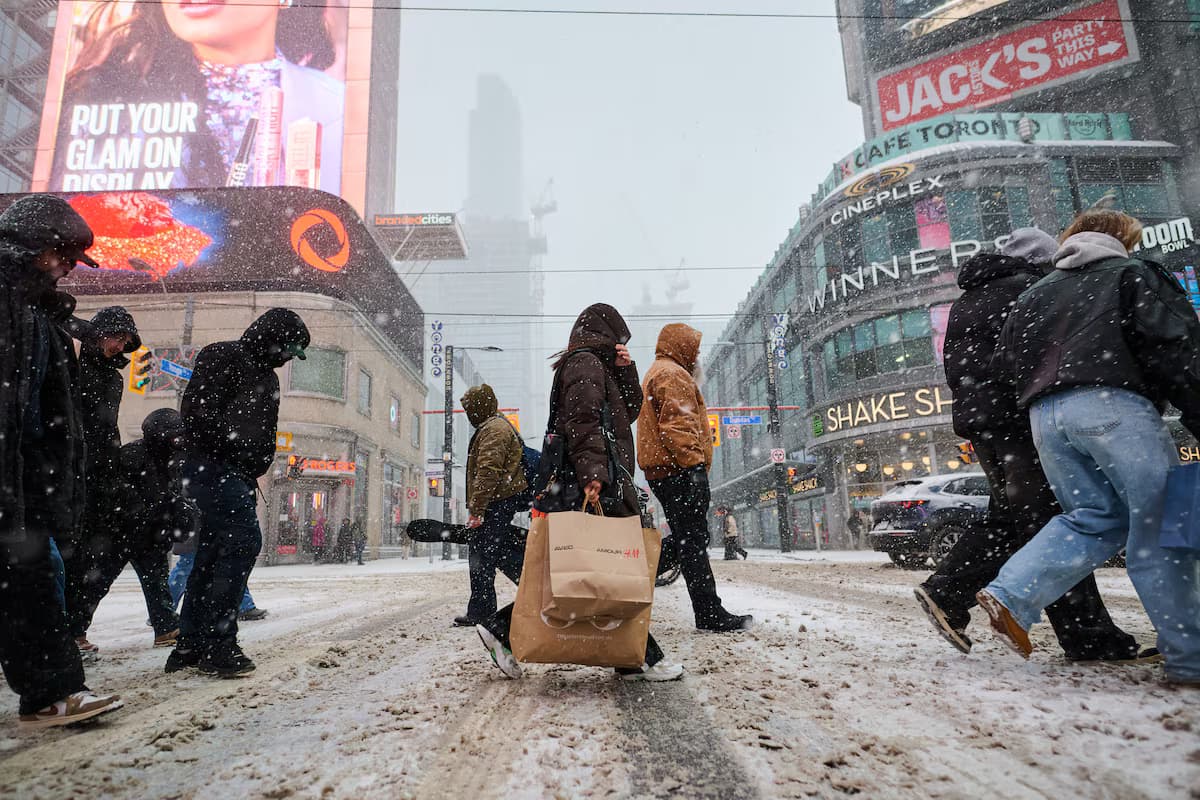
How watching violent videos online is affecting mental and physical health
Bystander footage of killings and police violence now appears in feeds. Repeated exposure can increase distress, risk post-traumatic symptoms and even affect the heart. Here’s how to protect your wellbeing.
Copy link
By Torontoer Staff
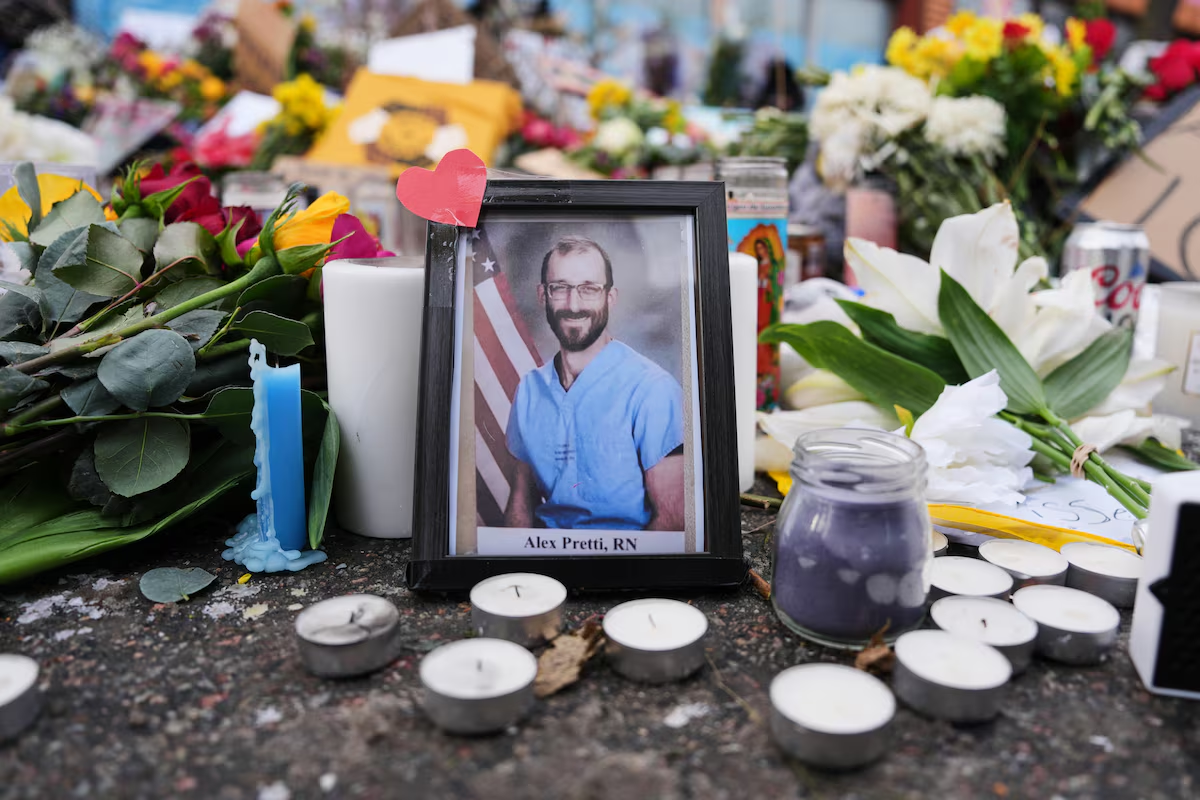
Raw videos of killings and police confrontations now circulate instantly on social platforms, often uploaded by bystanders and amplified by algorithms. Footage from recent federal operations in Minneapolis, including the fatal shooting of Alex Pretti, spread across Reddit, Instagram and TikTok within hours, producing a constant stream of graphic content for many users.
That steady exposure has health consequences. Research and public-health experts say scrolling through violent footage can worsen anxiety, produce early post-traumatic stress symptoms and, over time, raise the risk of physical ailments such as cardiovascular problems.
Why violent footage is so visible now
Before social platforms became ubiquitous, newsrooms filtered graphic material and decided what to show. Today, algorithm-driven feeds push content based on engagement, not editorial judgement, so bystander video of traumatic events can appear next to unrelated entertainment. Content moderation has scaled up, but platforms still struggle to keep pace with the volume and speed of uploads.
That visibility has a civic dimension. Visual evidence often challenges official accounts and can prompt public outrage, protests and demands for accountability. Researchers note these videos can be catalysts for social change while also creating widespread emotional strain among viewers.
We’ve seen time and again that visual evidence can spark outrage, protests and demands for accountability in ways that written reports often don’t.
Allissa V. Richardson, associate journalism professor, USC Annenberg
Psychological and physical impacts
Clinical researchers who study media exposure after major traumas find consistent patterns. People who spend more time engaging with graphic or traumatic media are more likely to report acute stress symptoms and early signs of post-traumatic stress. Repeated viewing, including hours of scrolling, increases that risk.
Longer-term physical effects have also been documented. Studies following exposure to televised trauma after the Sept. 11 attacks found a higher incidence of new cardiovascular conditions among people whose primary exposure was through media coverage, compared with those who had little or no media exposure.
With the advent of social media, we’re seeing a proliferation of access and what’s happening is that people engage with it and become more distressed.
Alison Holman, researcher and nursing professor, UC Irvine
Experts warn another risk: context collapse. When scenes of human suffering appear amid entertainment and trivial content, the emotional processing that would normally follow a traumatic event can be short-circuited. That can dull empathy and distort how people respond to violence online.
Trauma is sandwiched between entertainment, which can make suffering feel trivialized or unreal. Over time, this context collapse can dull empathy and distort our emotional response.
Allissa V. Richardson, USC Annenberg
How to recognise if this is affecting you
- Recurring intrusive images or thoughts about videos you watched
- Heightened irritability, startle reactions or trouble sleeping
- Avoidance of news or social feeds, or conversely, compulsive checking
- Physical symptoms such as chest pain, palpitations, headaches or gastrointestinal upset
- Feeling emotionally numb or detached from others
If these signs persist or interfere with daily life, consider reaching out to a mental-health professional or a family doctor for assessment and support.
Practical steps to protect your wellbeing online
- Set intentional limits, such as specific times or durations for social media use. Use built-in screen-time tools to enforce boundaries.
- Curate your feed. Unfollow or mute accounts that repeatedly post graphic content. Prioritise verified news sources and accounts that include content warnings.
- Use content warnings and blur tools where available. On many platforms you can opt out of autoplay and hide previews to reduce unexpected exposure.
- Take deliberate breaks after encountering disturbing material. Do something grounding, such as going for a walk, calling a friend, or practising deep-breathing exercises.
- Talk it through. Sharing feelings with someone you trust can reduce distress. If the content relates to a community you belong to, seek collective coping resources.
- If you work in journalism, activism or emergency response and must view graphic footage, establish limits and decompression practices, and seek professional supervision or peer support.
If physical symptoms such as chest pain or severe breathlessness occur, seek medical help immediately. For ongoing mental-health concerns, local health services and crisis lines can provide immediate assistance.
A final note on choice and civic engagement
Bystander video plays a meaningful role in public accountability, but that role does not remove the need to protect individual wellbeing. You can stay informed and contribute to civic conversations while also managing exposure and prioritising mental and physical health. Thoughtful consumption helps sustain both engagement and resilience.
mental healthsocial mediawellnesstraumadigital wellbeing