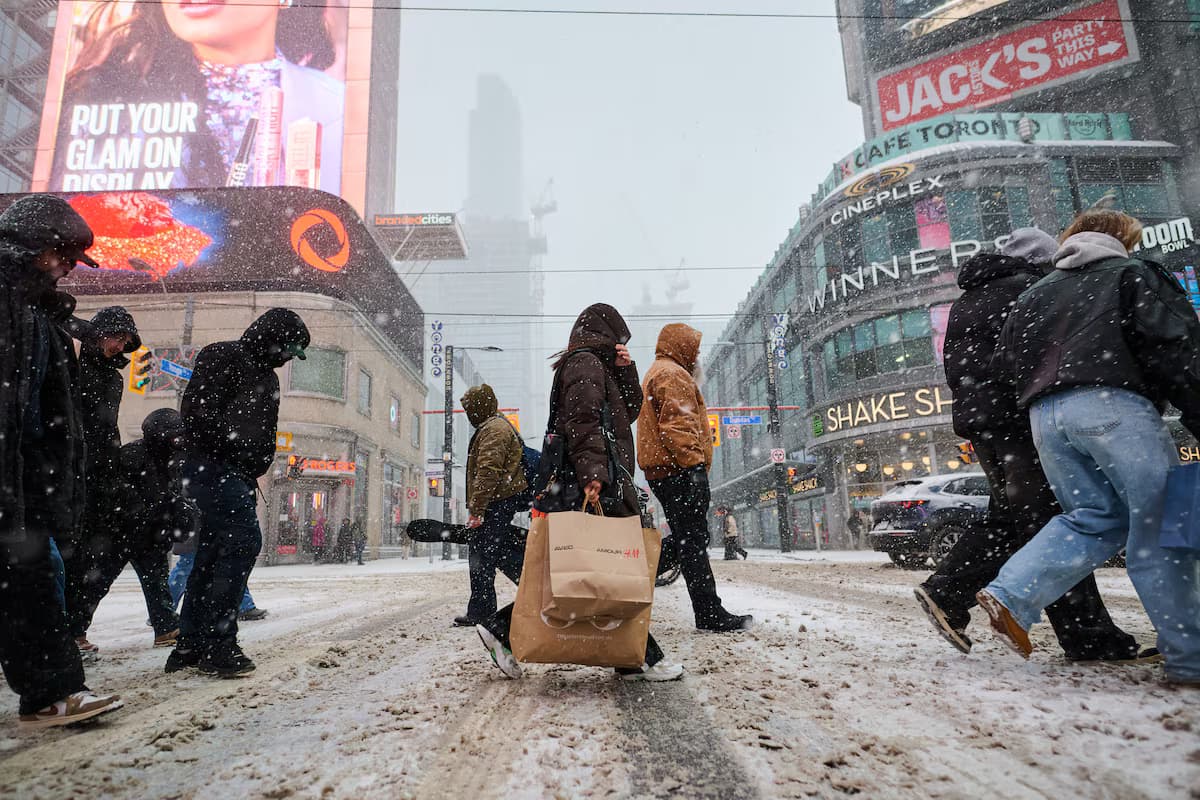
Lake-effect snow and high winds forecast for parts of Southern Ontario: how to prepare
Environment Canada warns of heavy lake-effect snow, blizzard conditions and strong winds for communities east of Lake Huron. Practical tips on staying safe, keeping warm and planning travel.
Copy link
By Torontoer Staff
Environment Canada has issued orange alerts for areas east of Lake Huron and parts of the eastern Lake Ontario shoreline, forecasting 20 to 40 cm of lake-effect snow and possible blizzard conditions beginning Sunday evening and lasting into Tuesday. Westerly winds could gust up to 90 km/h, with wind chills near -20 to -25C.
Communities from Stratford, Mitchell and southern Perth County to the Bruce Peninsula, Sauble Beach and Tobermory face the highest accumulations. Picton and the Sandbanks Park area are under a similar alert, while the Niagara and Georgian Bay regions have yellow warnings for substantial snow and strong winds.
Where the storm will hit hardest
The orange alerts identify zones of lake-effect snow squalls. Environment Canada says 20 to 40 cm of snow is expected in the worst-hit areas, with locally higher amounts possible. The heaviest snowfall is likely Monday night into Tuesday, and reduced visibility from heavy snow and blowing snow could make travel hazardous.
Avoid travel and outdoor activities, if possible. If you must travel, have an emergency plan.
Environment Canada
What to prepare at home
Prepare now for heavy snow, strong winds and potential power outages. A short checklist will reduce stress if conditions deteriorate quickly.
- Emergency kit: bottled water, non-perishable food, flashlight, spare batteries, phone charger or power bank, first-aid kit and necessary medications.
- Heat and light: matches, candles in safe holders, and blankets. Know how to safely use a generator and keep it outside, away from windows.
- Keep pipes insulated and trickle faucets during extreme cold to reduce freeze risk.
- Fuel and vehicle kit: full tank of gas, ice scraper, shovel, warm clothing, blanket, snacks and a basic roadside kit.
- Charge devices and keep a list of important numbers, including local municipal emergency lines and community warming centre locations.
Travel, transit and commuting
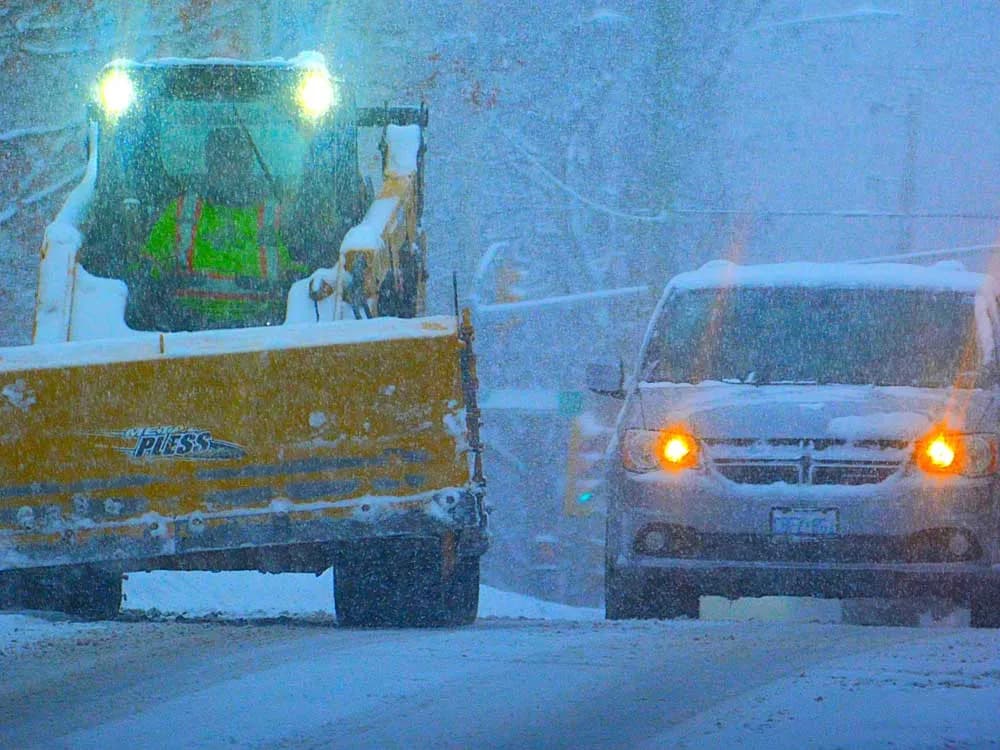
Environment Canada warns of near-zero visibility in heavy snow and blowing snow, and municipalities may suspend or alter transit services. Avoid non-essential travel during orange alerts. If you must be on the road, delay departures until conditions improve and tell someone your route and expected arrival time.
- Check Environment Canada alerts and municipal travel advisories before leaving.
- Allow extra time, reduce speed and increase following distance in blowing snow.
- Keep headlights on and clear snow and ice from all windows and lights before driving.
- If you become stranded, stay with your vehicle, run the engine periodically for heat, and ensure the exhaust pipe is clear of snow.
Power outages and community supports
High winds and heavy, wet snow increase the risk of downed lines. Have a backup plan if electricity, heat or water are interrupted. The City of Toronto has warming centres open for vulnerable residents; check your municipality’s website or social channels for local shelter locations and hours.
Southwest winds gusting up to 90 km/h near Lake Erie will create areas of near zero visibility in heavy snow and blowing snow, and power outages are possible.
Environment Canada
Clearing snow safely
Shovelling and roof clearing can be physically demanding. Reduce injury risk and keep walkways accessible for neighbours and emergency services.
- Warm up before shovelling, lift with your legs and avoid twisting motions.
- Push snow when possible instead of lifting, and take regular breaks to hydrate and rest.
- Use salt or sand to reduce ice on walkways and check local bylaws for sidewalk clearing responsibilities.
- Hire professional roof or tree services to remove heavy snow from roofs or to address damaged limbs, especially after high winds.
Keep informed
Monitor Environment Canada alerts and local municipal updates for changes to warnings and service disruptions. Sign up for local emergency alerts, follow municipal social accounts, and listen to local radio for immediate advisories.
Heavy lake-effect snow can develop and change quickly, particularly near shorelines. Take precautions now, check on neighbours who may need help, and avoid unnecessary travel during the orange alerts.
weatherwinterEnvironment CanadasafetyToronto