Mid-century Brooklyn Furniture building on Bathurst listed for $1 as redevelopment lure
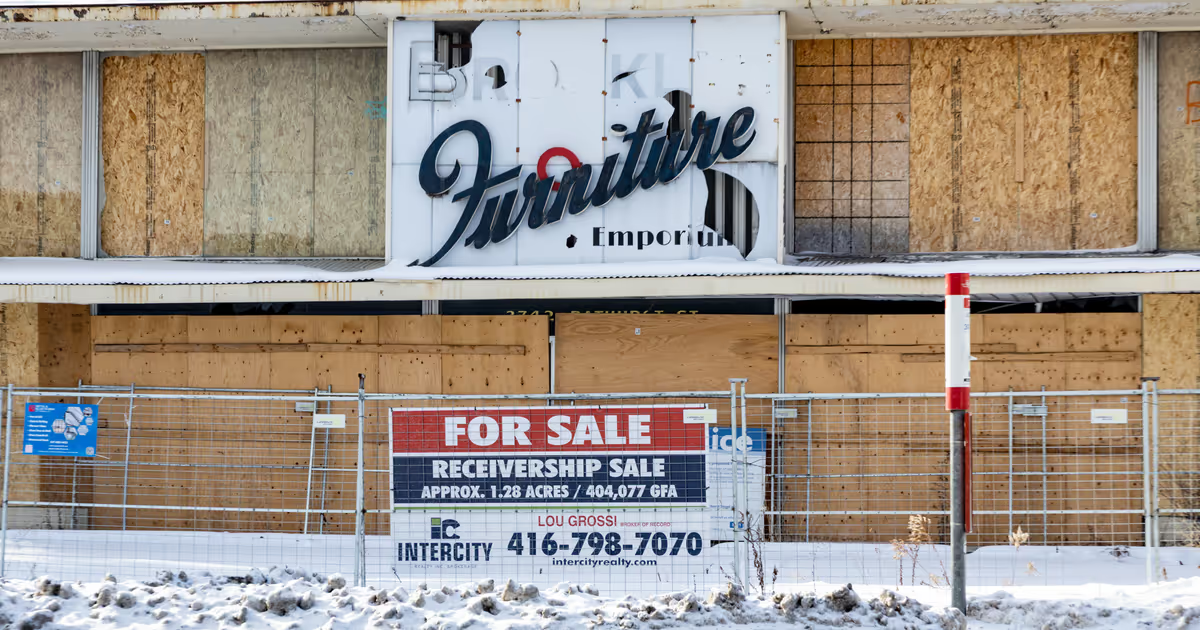
The 1958 Brooklyn Furniture storefront at 3742 Bathurst St. sits boarded and decaying. Zoned for a mixed-use condo project, the site is in receivership and listed for $1.
Copy link
By Torontoer Staff
The former Brooklyn Furniture store at 3742 Bathurst St., a recognizable mid-century commercial building since 1958, is in visible decline and has been placed on the market with a $1 asking price. The listing reflects the site’s development potential rather than the condition of the storefront itself.
Boarded windows, broken signage and graffiti have taken over the property since the business moved to a nearby location during the brick-and-mortar downturn of the early 2020s. The building is not protected as heritage, and the site has already been zoned for a pair of condominium towers, though the project is now in receivership.
How the building looks now
Exterior details still point to the store’s 1950s roots. A backlit sign hangs half intact, with large shards missing and long-darkened fluorescent tubes exposed. The storefront’s mid-century signage and form remain readable through the decay, even as windows are boarded and glass lies shattered.
A ghostly outline of the word "Brooklyn" is only partially visible, leaving just a stylized "Furniture" and most of the word "Emporium."
photographer Fareen Karim
Why the property is listed for $1
The token $1 price is a marketing device used to attract bids, not an indication that the building itself will transfer for a dollar. The parcel was zoned for intensification, proposing two residential towers of 36 and 10 storeys, which increases its theoretical value. After a downturn in the condo market, the development proposal stalled and the site entered receivership. The receiver has listed the property 'as is, where is' to prompt offers from developers or investors who will assume responsibility for any remediation and construction.
What a buyer would face
- Site sold 'as is' means the purchaser accepts existing structural, environmental and legal conditions.
- Planned zoning permits a 36- and 10-storey scheme, but approvals and community processes may still be required.
- Potential demolition costs, heritage assessment, and salvage of architectural elements add to development budgets.
- Receivership sales can involve complicated timelines and multiple interested parties, raising the need for experienced legal and real estate counsel.
Heritage and adaptive reuse options
The building has not been granted heritage designation, which reduces legal barriers to redevelopment. That also increases the risk of demolition by neglect, a process where buildings deteriorate until they are deemed unsafe and removed. For buyers or community groups interested in preservation, adaptive reuse could retain the storefront’s mid-century character while accommodating new density above or behind it.
Adaptive reuse examples in Toronto include retaining facades or signage as public features, converting ground floors to retail or cultural space, and designing new residential massing that respects the streetscape at pedestrian level. Any reuse would need to balance financial feasibility with conservation goals and municipal planning requirements.
What the site says about the city
This storefront’s decline highlights two intersecting trends: the loss of old‑school retail along arterial streets, and the volatility of speculative condominium development. The zoning and planning process allowed for significant intensification, yet market shifts have left the site in limbo. For residents, the result is a mid-century commercial landmark that feels abandoned even as decision-makers consider the neighbourhood’s next chapter.
Community interest in retaining local character often collides with economic pressures to redevelop. In the absence of heritage protection, the final outcome will depend on what incoming buyers or developers value most: redevelopment potential, preservation opportunities or a combination of both.
Practical steps for interested parties
- Commission a structural and environmental assessment before bidding.
- Engage heritage consultants early if preservation or facade retention is a goal.
- Consult municipal planning staff about the existing zoning and any community consultation requirements.
- Factor demolition, salvage and remediation costs into budgets rather than assuming a low acquisition price will offset them.
The property at 3742 Bathurst St. represents a familiar planning challenge in Toronto: ageing commercial fabric with distinctive design qualities, but limited formal protection, sitting atop development potential. For now the building remains boarded and deteriorating, its future tied to larger market forces and the priorities of whoever next acquires the site.
Bathurst Streetmid-centuryheritagereal estateadaptive reuse