Ontario investor says he lost $260,000 to a pump-and-dump scam, and how to avoid one
A Richmond Hill man says he lost $260,000 after following stock tips on a forum that used Wealthsimple branding. Here’s how pump-and-dump schemes work and steps to protect your money.
Copy link
By Torontoer Staff
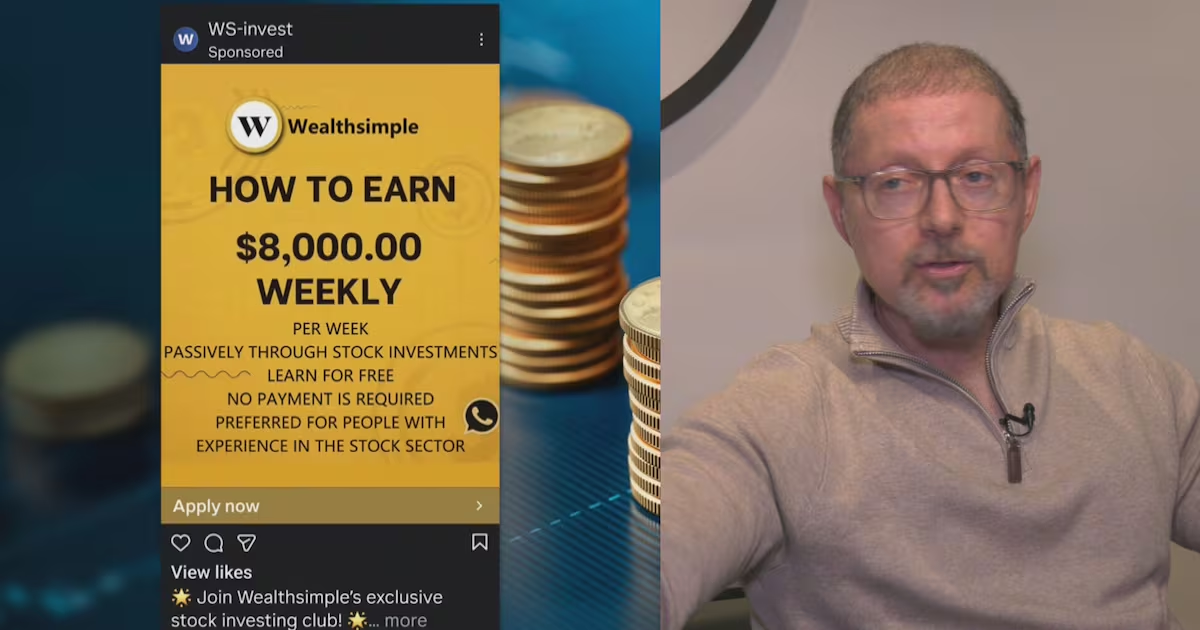
A Richmond Hill investor says he lost $260,000 after acting on tips from an online trading forum that used Wealthsimple’s name and logo. The incident highlights how social media ads and fake groups are being used to lure people into short-term stock plays that can collapse once the perpetrators sell.
The case is a reminder to check sources, slow down when offers promise quick gains, and use official channels when moving money or following investment advice.
What happened to the investor
Israel Klait, who lives in Richmond Hill, says he moved accounts to Wealthsimple after a promotional offer from a major Canadian bank. He noticed ads on Instagram for an online trading forum that carried Wealthsimple’s branding and joined the group.
Klait says the forum suggested a stock and he made an initial trade that returned a modest gain. Encouraged, he later made a much larger purchase. Within minutes, the share price plunged from about US$1.68 to US$0.10, wiping out the position. Klait says the forum disappeared soon after.
It looked legitimate from Wealthsimple.
Israel Klait
As soon as I bought it that day five minutes later the stock tanked. It went from $1.68 U.S. to ten cents and at the time I just panicked.
Israel Klait
How pump-and-dump schemes work
Pump-and-dump fraud involves artificially inflating interest and the price of a low-volume stock, then selling at the peak. Perpetrators use social media, messaging apps, fake websites and impersonated brand materials to create the impression that a recommendation is legitimate. Once prices fall, remaining investors are left with steep losses.
Red flags include unsolicited tips, promises of rapid gains, a rush to buy without disclosure of risks, and advice that comes exclusively via private groups or temporary channels that disappear when the price reverses.
What the broker said
Wealthsimple provided a statement acknowledging the rise in social media scams and describing steps the company says it takes to protect clients. The firm said it reports fraudulent ads to platforms and deploys warnings through its app, email and social accounts.
Fraudsters are becoming more aggressive and sophisticated every day. We’ve seen a huge spike in social media scams, and we were very sorry to hear what happened to Mr. Klait.
Wealthsimple spokesperson
How to protect your investments
- Verify links and ads: check that URLs lead to the official site and that the app you use is the one from the official app store.
- Use firm channels: confirm promotions, offers and recommendations by contacting your broker directly through their verified phone number or app.
- Be sceptical of quick returns: most legitimate investments require time to grow. Offers to double money quickly are a major red flag.
- Check registration: make sure anyone giving investment advice is registered with the appropriate regulator, such as the Ontario Securities Commission or the Canadian securities regulator in your province.
- Keep records: save screenshots, transaction confirmations and correspondence. That documentation helps when reporting fraud or seeking refunds.
- Limit exposure: set investment limits and avoid moving large sums quickly based on social media tips.
- Enable security: use two-factor authentication, strong passwords and alerts for account activity.
If you suspect you have been scammed, contact your brokerage immediately to freeze accounts or halt transfers. Report the incident to the Canadian Anti-Fraud Centre and your provincial securities regulator. Consider filing a police report and reporting the ad to the social platform where you saw it.
Emotional and financial fallout
Klait said the loss has forced him to rethink retirement plans and has taken an emotional toll. He described sleepless nights and repeated reflections on what he might have done differently.
For two weeks I wasn’t able to sleep, going over everything in my head what I did wrong. It’s very upsetting.
Israel Klait
Scams like this can affect anyone. Taking time to verify sources and consulting a licensed financial advisor before making large trades can reduce the chance of major losses.
scamspersonal-financeinvestingfraudWealthsimpleconsumer-advice