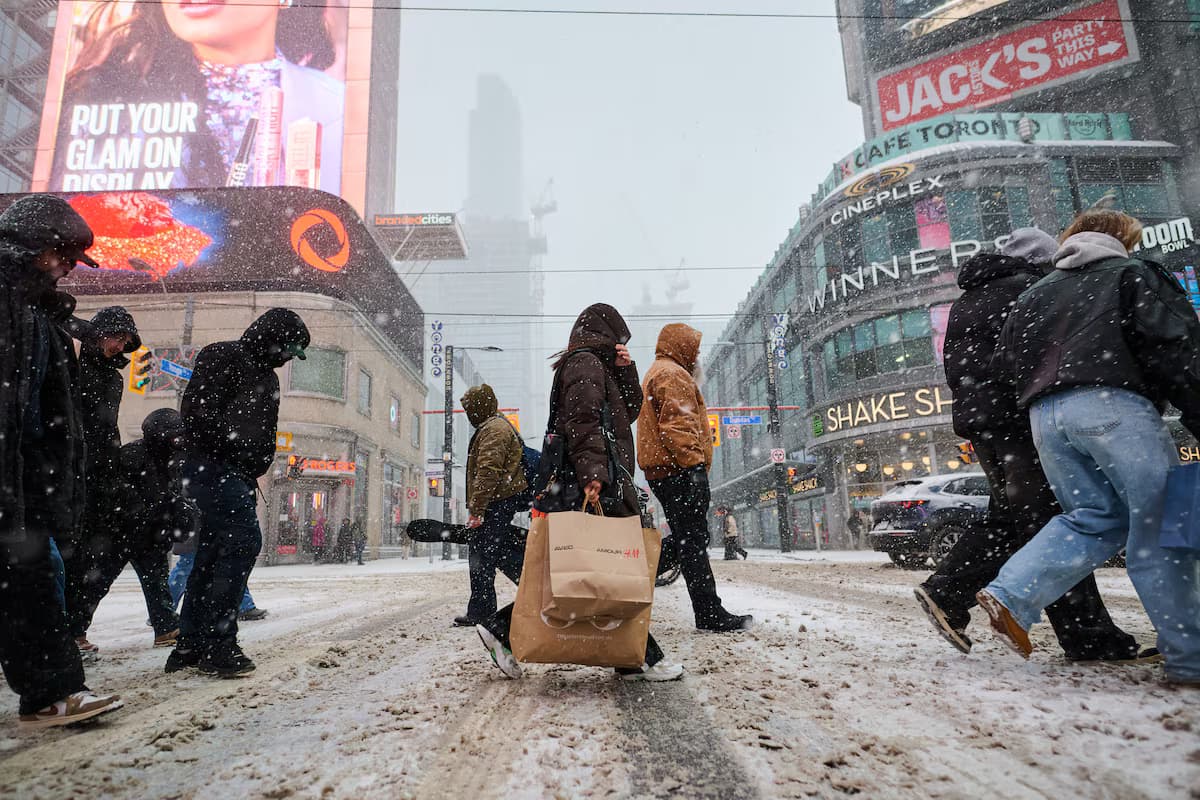
Emergency doctors and public health officials are urging people to take extra precautions as bitter cold moves through large parts of Canada. Frostbite can develop quickly on exposed skin, and early action matters for prevention and recovery.
Frostnip and frostbite affect any area of exposed skin, but extremities are most vulnerable. This guide explains how to recognise frostbite, how to reduce your risk and what to do if you or someone else shows signs of freezing injury.
What is frostbite
Frostbite occurs when skin actually freezes. The earliest stage, frostnip, causes temporary numbness and paleness without permanent damage. Mild frostbite often resembles a sunburn and turns red once warmed.
More serious frostbite produces grey or dusky skin, blisters, hard or waxy texture, tingling and persistent numbness. In severe cases the skin can turn dark blue or black, indicating tissue death and possible need for amputation.
Mild frostbite tends to look sort of like a sunburn. More severe injury can cause blisters and grey or dusky skin.
Dr. Kate Hayman, Toronto General emergency department
Who is most at risk
Any exposed skin can freeze. The face, ears, hands and feet are particularly vulnerable. Wind chill and prolonged exposure substantially increase risk, and frostbite can develop within minutes in extreme cold.
People who are homeless, those who work outdoors, and anyone not accustomed to severe cold face higher odds of severe injury. Doctors say cases among those without stable housing more often result in amputation.
In parts of Canada where winters are milder, frostbite is a real risk that can happen to anybody when temperatures drop.
Dr. Sahil Gupta, St. Michael’s Hospital
How to prevent frostbite
Limit time outdoors during extreme cold. When you must go outside, dress in layers to trap heat close to the body, and cover all exposed skin.
- Wear a hat and neck warmer to protect head and face
- Choose mittens over gloves to keep fingers warmer
- Use insulated, well-fitting boots that allow circulation
- Avoid tight footwear and gloves that restrict blood flow
- Take frequent warm-up breaks if you must work outdoors
- Check local services for warming centres if you are vulnerable
Limit the amount of time that you spend outside. If you have to go outside, dress in layers to really trap the heat close to your body.
Marc-Antoine Deschamps, Ottawa Paramedic Service
Drivers should keep an emergency kit in the car with extra layers, hats, gloves and basic tools like jumper cables and a shovel. If you become stranded, get out of the cold as soon as possible.
What to do if you suspect frostbite
The first step is to get out of the cold and begin gentle rewarming. Many mild cases can be treated at home with careful warming and hygiene.
Soak the affected area in warm water for about 30 minutes, until the skin feels soft. Keep the area clean and avoid activities that may cause further injury.
- Do not rub or massage the frozen area, that can cause more damage
- Avoid direct, intense heat such as radiator or stove contact
- Do not re-expose thawed skin to cold, that increases damage
- Seek medical care if numbness, persistent colour change or blisters occur
Getting out of the cold and early rewarming are the most important things people can do. If sensation does not return, seek medical attention.
Dr. Kate Hayman, Toronto General emergency department
Hospital treatment and timing
Doctors can use medications that improve blood flow to frostbitten tissue. Treatments such as iloprost, which widens blood vessels, and thrombolytics, which break down clots, can reduce the need for amputation in some cases.
Early presentation matters. Clinicians recommend beginning treatment within 24 to 48 hours when possible to improve outcomes.
We really need to initiate treatment within 24 to 48 hours to reduce the risk of amputation. We would like to see these cases earlier rather than later.
Dr. Kate Hayman, Toronto General emergency department
If you or someone you are with shows signs of serious frostbite, get to emergency care promptly. Do not delay seeking help because early interventions can change the course of injury.
Quick frostbite checklist
- Cover exposed skin, wear mittens and a hat
- Limit time outdoors and take warm-up breaks
- Carry extra layers in your car during cold snaps
- Begin gentle rewarming immediately if frostbite is suspected
- Seek medical care for numbness, blisters or persistent discolouration
Protecting skin and acting quickly are the clearest ways to avoid severe outcomes from frostbite. Take precautions during extreme cold and seek care early if you suspect a freeze injury.