Residents complain of concert noise from new Rogers Stadium in Downsview
Residents near the 50,000-seat Rogers Stadium say concert sound and vibrations travelled kilometres, raising complaints about bylaws, health and enforcement.
Copy link
By Torontoer Staff
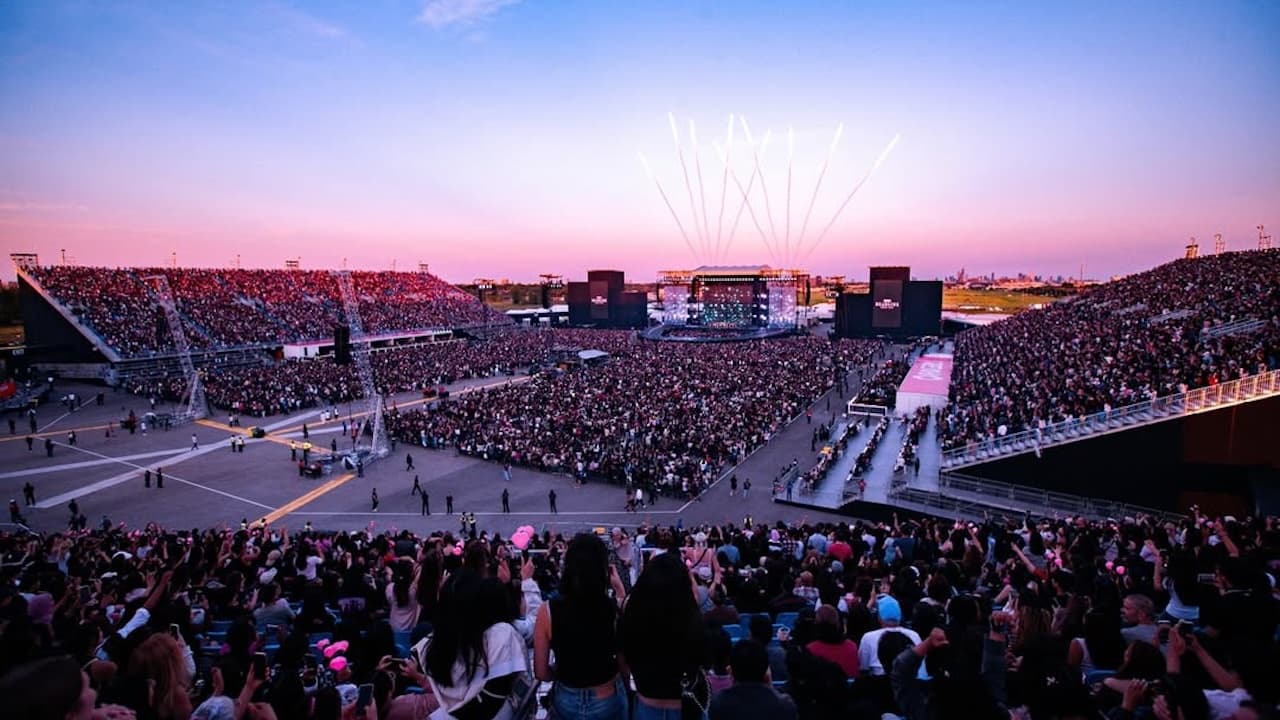
Residents around the new 50,000-seat open-air Rogers Stadium at Downsview are reporting persistent noise, vibrations and traffic from a series of large concerts. The venue hosted 14 shows this season, including multi-night events that ran from about 5 p.m. until midnight, and some people as far as nine kilometres away said they felt the music physically.
Complaints filed with the city describe vibrating windows and doors, loud music that made sitting outside impossible, fireworks and heavier-than-usual traffic. One resident described the situation as "unacceptable."
What neighbours are reporting
Local homeowners and condo residents say the sound and low-frequency vibration continued throughout evening programmes and in some cases carried well after concerts finished. Several people reported missing sleep because of late-night shows, and many said they were concerned about repeated exposure to high sound levels over several nights.
Unacceptable, these concerts have made quiet evenings impossible for many nearby residents.
Local resident
Permits, limits and enforcement
City permits allowed noise exemptions for the stadium, enabling sound levels up to 85 dBA and 105 dBC until 11 p.m. Event operators met the technical requirements, but critics say those limits are not appropriate for large open-air venues in or near residential areas. Penalties for exceeding the limits are small, and critics say fines have not been an effective deterrent.
Just because it’s technically compliant that doesn’t mean that it’s acceptable to the community.
Ward 6 City Councillor James Pasternak
Public health and the sound study
The World Health Organization lists environmental noise as the second-largest urban health hazard after air pollution, linking prolonged exposure to sleep disturbance, cardiovascular problems and reduced quality of life. A citizen-led group, No More Noise Toronto, says current bylaws and exemptions were not drafted for venues of this size and do not adequately protect residents.
NMNT conducted a sound study at homes near the stadium and found levels and low-frequency energy that would likely be disruptive to sleep and daily life, according to the group. The study raises questions about whether the city’s noise framework needs updating for large outdoor venues and whether enforcement mechanisms are strong enough.
Residents’ health must be a priority over corporate profits, and solutions exist that would reduce the impacts on nearby homes.
Ingrid Buday, founder, No More Noise Toronto
Proposed fixes
- Install sound level limiters and independent real-time monitoring at the venue
- Reduce bass frequencies and reorient speaker clusters away from residential areas
- Add physical noise barriers and optimise stadium orientation where possible
- Limit end times and consider stricter curfews for repeating multi-night events
- Revise bylaws to set venue-size appropriate limits and increase penalties for breaches
- Establish a community liaison and a transparent complaints and mitigation process
Venue operators and city staff can combine technical measures with operational changes to reduce impact. Some of the most effective steps focus on addressing low-frequency energy, which travels farther and is harder for residents to block at home.
Next steps
No More Noise Toronto will present its findings and recommendations at an online meeting on Sept. 18 at 7 p.m. The group is urging the city to reassess noise exemptions for large open-air venues and to require independent monitoring during events. City officials have noted that the concerts complied with existing rules, and Councillor Pasternak, who signed off on the permits, has acknowledged community concerns.
Residents, public-health advocates and the stadium operator are now positioned to push for clarifications to the noise framework, clearer enforcement steps and technical changes at the site. How quickly the city moves to update bylaws or require mitigations will determine whether neighbourhood complaints ease before a full schedule of summer events returns.
For now, neighbours are tracking monitoring data, preparing to make their case at the September meeting and watching for any immediate mitigation from the stadium. The debate highlights a broader question about how growing, large-scale entertainment venues are regulated in urban settings, and who bears the cost when sound spills into nearby communities.
Rogers StadiumDownsviewnoisecommunitypublic health