Returning to Jamaica after Hurricane Melissa: A reporter’s personal account of family, loss and rebuilding
CTV anchor Maya Johnson travelled to Jamaica after Hurricane Melissa to document recovery and reconnect with family. She writes about cultural roots, the storm’s impact and Montreal’s relief efforts.
Copy link
By Torontoer Staff
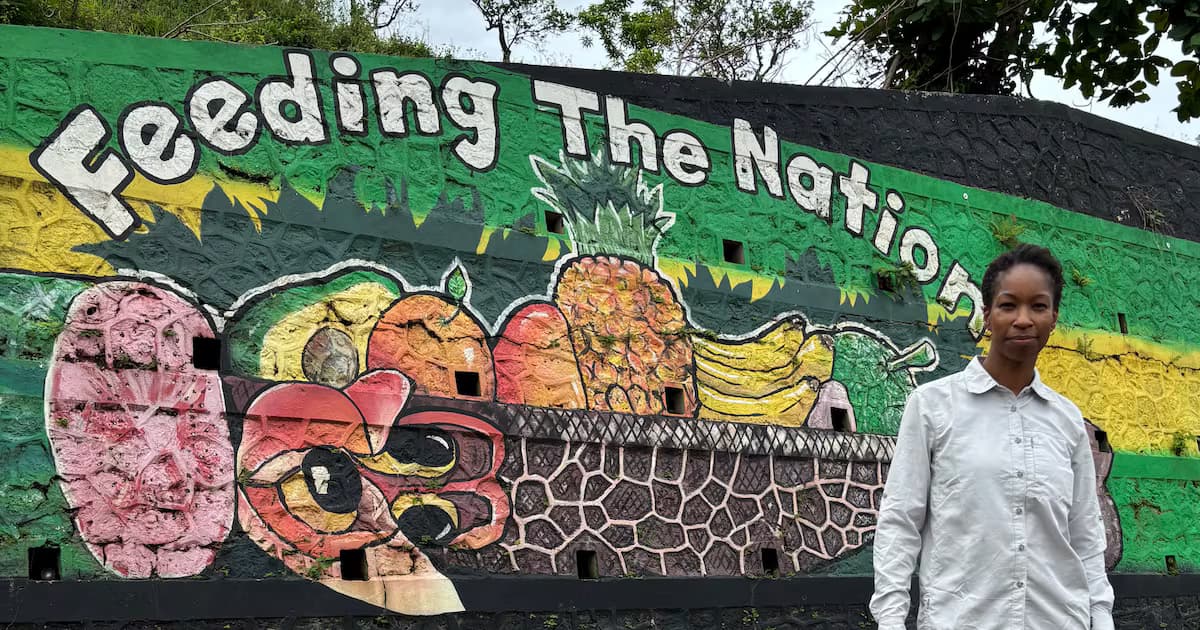
I travelled to Jamaica to document the damage and the relief efforts after Hurricane Melissa, and to see what rebuilding looks like on the ground. As the Montreal-born daughter of Jamaican immigrants, reporting on the storm was not only professional, it was deeply personal.
Growing up in Montreal meant navigating a mix of cultures. Patties, jerk chicken and fried dumplings shared space with fresh bagels. The records my father played and the mix tapes my sisters made were the soundtrack of my adolescence, and Studio One’s reggae and later dancehall tied me to a place I did not visit regularly until adulthood.
Roots and return
My first trip to Jamaica was when I was six, to my mother’s hometown of Balaclava in St. Elizabeth parish. I did not return until my twenties, when I visited Kingston, my father’s birthplace, and felt immediately drawn back. I lost count of how many times I went after that.
In the fall of 2024 I became a Jamaican citizen by descent. The next time I entered Jamaica I used my Jamaican passport. That visit was only two months before Hurricane Melissa made landfall.
Reporting from the anchor desk
When Melissa approached, every news outlet carried the same images. In the newsroom in Montreal I was on air as the storm hit, reading words that described a Category 5 hurricane battering Jamaica with torrential rain and violent winds. As I delivered those reports, my mind kept returning to family in Balaclava and to my uncle Donville, whose home sits in the storm’s path.
Communication was a major issue. My uncle warned us a few days before the storm that electricity and phone service would likely fail. After Melissa passed, we had no news for seven days. Finally we heard that everyone was alive, but they had lost part of their roof, there was no electricity or running water, his chicken coop was gone and his small jerk chicken shop had been destroyed.
Montreal mobilizes
The Jamaican community in Montreal mobilized quickly. The Jamaica Association of Montreal organised fundraising and collection drives, and donations were shipped from the Port of Montreal. The association presented a $22,000 cheque to the High Commissioner of Jamaica to Canada, Marsha Coore Lobban.
- Clothing and non-perishable food
- Cleaning and hygiene products
- Flashlights and batteries
- Monetary donations and coordinated shipments
Why the aftermath matters
Initial media attention was intense, then it moved on. That rapid shift obscured the most consequential phase: the recovery. Someone I spoke with in Montego Bay put it plainly, "It’s not the hurricane that’s the worst, it’s after the hurricane." The immediate storm damage is dramatic, but the long work of restoring homes, businesses and infrastructure determines how communities fare.
It’s not the hurricane that’s the worst, it’s after the hurricane.
resident of Montego Bay
After the storm I received videos and messages showing communities struggling to clean up and rebuild. Churches, small shops and market stalls were damaged, roads and power lines were down, and access to clean water was limited. The stories I wanted to tell were not only of loss, but of how people respond and adapt.
Reporting as family
Returning to Balaclava as both a reporter and a family member changed how I worked. I was documenting relief and reconstruction, and also checking on relatives and neighbours. The dual perspective highlighted everyday resilience: people salvaging what they could, neighbours sharing food and generators, small businesses plotting how to reopen.
I wanted to tell the stories of the work that happens after the headlines fade, the stories of people rebuilding piece by piece.
Maya Johnson
Local organisations, faith groups and informal networks drove much of the recovery. Donations from abroad mattered, but so did local initiative: volunteers clearing debris, carpenters patching roofs, vendors reopening with reduced stock. Those were the scenes I focused on in reporting and in conversations with family.
What readers can do
If you want to support long-term recovery rather than short-lived relief, look for established community groups and charities with a track record in Jamaica or with diaspora organisations coordinating efforts. Monetary donations to local organisations often move faster and address the specific needs of communities rebuilding.
For me, the trip was a reminder that identity can be lived in multiple places at once, and that reporting from home carries responsibilities beyond the story. I will continue to follow the recovery, and to tell the quieter stories of repair, persistence and practical solidarity.
JamaicaHurricaneMelissadiasporacommunityrelief