Serena Williams spotlights health gains from GLP-1s in Ro Super Bowl ad
Serena Williams says GLP-1 medication improved her cholesterol and blood sugar. She appears in Ro’s Super Bowl campaign that highlights health benefits beyond weight loss.
Copy link
By Torontoer Staff
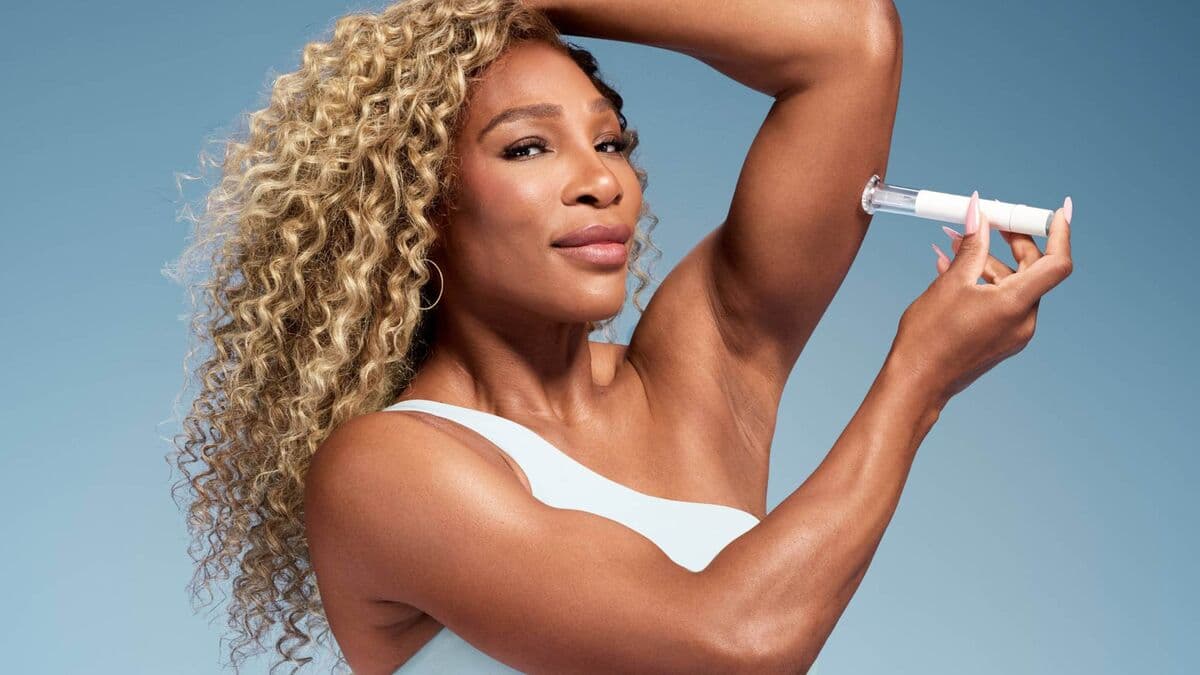
Serena Williams says she is healthier than ever after a year on GLP-1 medication, and those health improvements will be the focus of a new Super Bowl ad for telehealth company Ro. Williams cites lower cholesterol and blood sugar, and says her doctors told her she has drastically reduced her risk of heart disease.
The 30-second spot will run during Super Bowl LX as part of Ro’s “Healthier on Ro” campaign, which aims to showcase non-scale benefits patients report from weight-loss drugs, such as improved metabolic markers and increased energy.
What Williams is saying
Williams began using a GLP-1 medication about a year ago after struggling to lose weight postpartum. She says she has lost more than 31 pounds, has more energy and stamina, and feels better able to be present with her children. Those changes, she says, go beyond appearance.
The Super Bowl commercial is so personal to me, it’s about my real life, it’s about my health, and it’s the biggest stage to tell a story like this, particularly as an athlete.
Serena Williams
Williams has also spoken about how hearing from someone who performed at an elite level, and still chose medical treatment for health reasons, encouraged others to consider similar options. After she partnered with Ro last summer, the company reported a spike in web traffic and new patient sign-ups.
How GLP-1s affect health
GLP-1 medications, originally developed to treat type 2 diabetes, work on metabolic pathways that lower blood sugar and reduce appetite. Patients commonly report weight loss, but clinicians point to other benefits, including better cholesterol profiles, improved blood sugar control, and lower cardiovascular risk.
- Lower blood sugar and improved glycaemic control
- Reduced appetite and weight loss
- Improvements in cholesterol and other metabolic markers
- Potential reductions in cardiovascular risk, according to some doctors
Popular brand names appearing in telehealth programmes include Zepbound and Wegovy. Recent approvals of oral and injectable weight-loss options, including a new pill from Novo Nordisk, have increased public interest and expanded treatment choices.
Telehealth, marketing and controversy
Ro is using a high-profile advertising moment to frame these medicines as tools for broader health gains, not only for losing weight. The campaign will also feature other ambassadors and patient stories, including basketball star Charles Barkley.
The weight loss is important, it’s valuable, but it is representative of so much more.
Zachariah Reitano, Ro CEO
Telehealth services offer subscription care and virtual prescriptions, which many patients find more convenient and affordable than traditional clinic visits. That model has attracted attention and investment: Ro was last valued at about US$7 billion, and Alexis Ohanian, Serena Williams’s husband, was an early investor and remains close to the company.
High-profile ads carry risk. Last year a rival telehealth company faced backlash for a GLP-1 Super Bowl spot that drew criticism from consumers and lawmakers for misleading claims. Regulators and clinicians continue to push for clear information on benefits, risks and long-term outcomes.
Questions to ask your clinician
- Is a GLP-1 medication appropriate for my health profile and goals?
- What are the expected benefits beyond weight loss, based on my medical history?
- What side effects should I expect, and how are they managed?
- How long will treatment likely continue, and what happens if I stop?
- Are there lower-cost or alternative options that may be effective for me?
Deciding on any prescription treatment should start with a clinician who can review your medical history and ongoing care needs. Telehealth can increase access, but it does not replace a detailed, personalised medical assessment.
What to watch next
Expect more celebrity-backed health campaigns as demand for obesity and metabolic treatments grows. Companies are competing on price, convenience and perceived legitimacy. For consumers, that will mean more choices, and a greater need to weigh evidence, costs and long-term management plans with qualified clinicians.
Serena Williams’s Super Bowl appearance aims to reframe the conversation about GLP-1s from a focus on pounds to broader health outcomes. Her message has already inspired people to ask their doctors about these medicines, and the ad will likely keep the discussion in the public eye.
Serena WilliamsGLP-1Rotelehealthhealth