Survival guide for visitors to the Milan Cortina Winter Olympics
The 2026 Winter Games are unusually spread out across northern Italy. Expect long drives, milder-than-Canadian winter weather and plenty of local food and culture.
Copy link
By Torontoer Staff
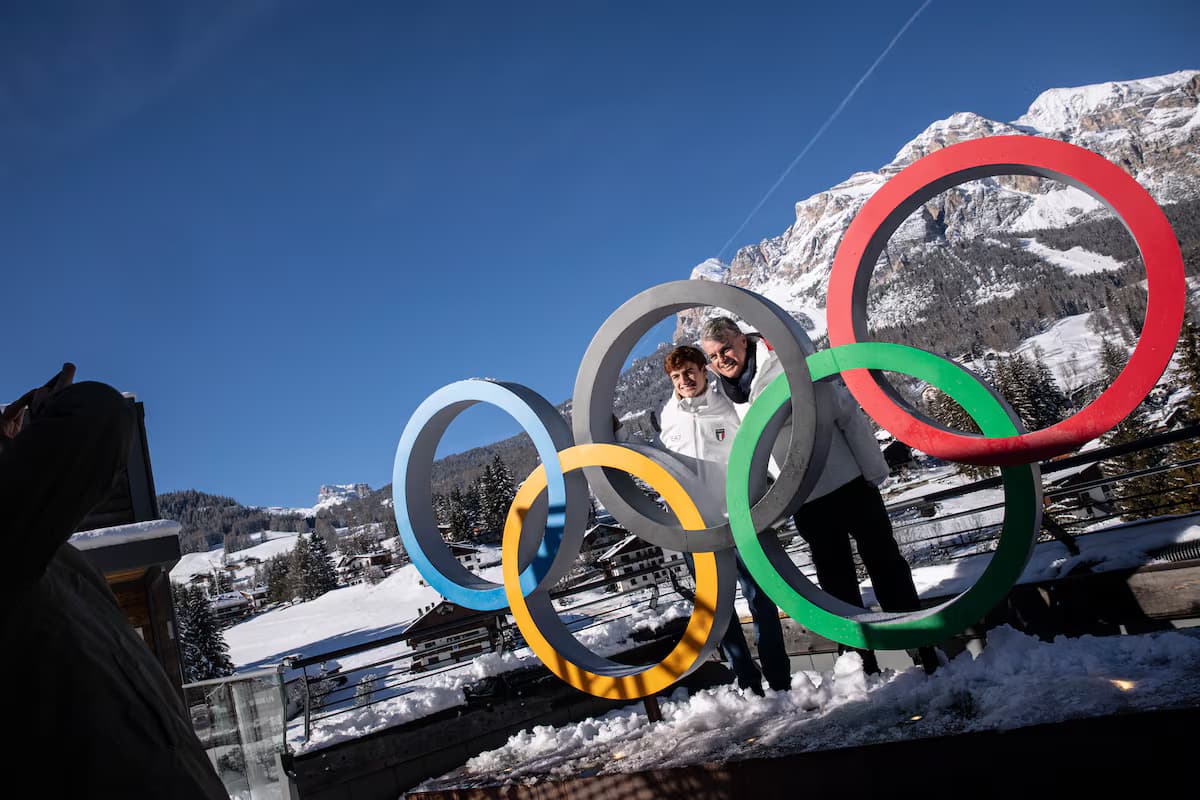
The Milan Cortina Winter Olympics open on Feb. 6, and the events are spread across a large area of northern Italy. Milan, Cortina d'Ampezzo, Bormio and Livigno all host competitions, and Verona will stage the closing ceremony, so travel and logistics are the primary considerations for visitors.
If you plan to see competitions and explore the mountain towns, focus your itinerary on one or two bases. Long drives over narrow mountain roads and event security make hopping between venues on short notice impractical.
Plan for distance and travel time
The Winter Games are the most geographically dispersed in Olympic history. Bormio and Cortina are roughly 300 kilometres apart by road, and the route involves narrow, twisty mountain highways that can be slow, especially in winter conditions. Allow five to seven hours for that trip. Milan to Bormio is about a three-hour drive, and Milan to Livigno roughly four hours by car. Expect heavy security near venues, restricted parking and frequent road closures, so secure accommodation close to your chosen competition site.
Weather and what to pack
Northern Italy’s winter weather is milder than in Canada. In late January, Milan daytime highs were commonly between 7 C and 9 C, while Bormio and Cortina hovered around freezing with occasional snow. Days are longer in February, and climate variability means conditions can change quickly. Bring warm, layered clothing, a waterproof jacket, sensible footwear with good grip and a warm hat and gloves. There is no need for extreme Arctic gear or knee-high snow boots for most visitors.
If you forget an item, both Milan and the mountain towns offer a wide range of winter fashion and outdoor shops, with Cortina in particular known for luxury brands and ski fashion.
Where to watch the Stelvio and other highlights
The men’s downhill on the Stelvio course in Bormio is expected to be a marquee event. Spectator seating concentrates at the bottom of the course, but organisers have installed a smaller grandstand near the Saint Peter’s Jump, partway down the run, offering a dramatic view of racers launching through the air. Check your ticket details and see if upgrades are available for that vantage point.
Speak a little local language
Taking the time to learn basic Italian phrases will be appreciated. Simple greetings and polite phrases reduce friction and show respect for local customs. In the Dolomites you may also hear Ladin and German, regional languages with deep roots.
Here, we are Italians only when we’re in the World Cup.
Marzia Zappa, owner of Hotel Cepina in Bormio
Try buon giorno, grazie and un caffè, per favore. A regional greeting like bon dì in the Dolomites can be especially well received.
Activities beyond the competitions
There are plenty of options for downtime. Bormio is known for its thermal baths, used since Roman times and recommended after a day outdoors. Cortina and Milan both offer high-end shopping and dining. Milan also features cultural attractions such as the Pinacoteca di Brera and, if you can get a last-minute reservation, Leonardo da Vinci’s Last Supper.
For a scenic rail journey, consider the Bernina Express from Tirano into Switzerland. The UNESCO World Heritage route runs over 196 bridges and through 55 tunnels, with dramatic mountain and glacier views.
Eat like a local
The Valtellina region around Bormio and Livigno favours hearty, simple mountain fare. Look for local specialities such as sciatt, buckwheat fritters filled with melted Casera cheese, polenta taragna made with cornmeal and buckwheat, and bresaola, air-dried beef sliced thin. Valtellina’s Nebbiolo wines are lighter and more mineral-driven than the Barolo wines of Piemonte.
Keep in mind the euro’s exchange rate when budgeting. Credit cards are widely accepted in cities and larger resorts, but smaller shops and mountain trattorias may prefer cash.
Practical tips
- Base yourself in one town for several days to avoid long transfers and security delays.
- Book transport and accommodation early, especially for Cortina and Bormio.
- Check exact venue access on your ticket and plan arrival times to clear security.
- Pack layered clothing, waterproof outerwear and footwear with grip.
- Carry some euros for small purchases and tipping.
- Download offline maps and carry a paper copy of key addresses, since mountain data coverage can be spotty.
The Milan Cortina Games combine major urban events with mountain culture and cuisine. Plan logistics carefully, pack smart, and allow extra travel time to turn a busy trip into an enjoyable one.
MilanCortina2026travelwinter-olympicsItalytravel-tips