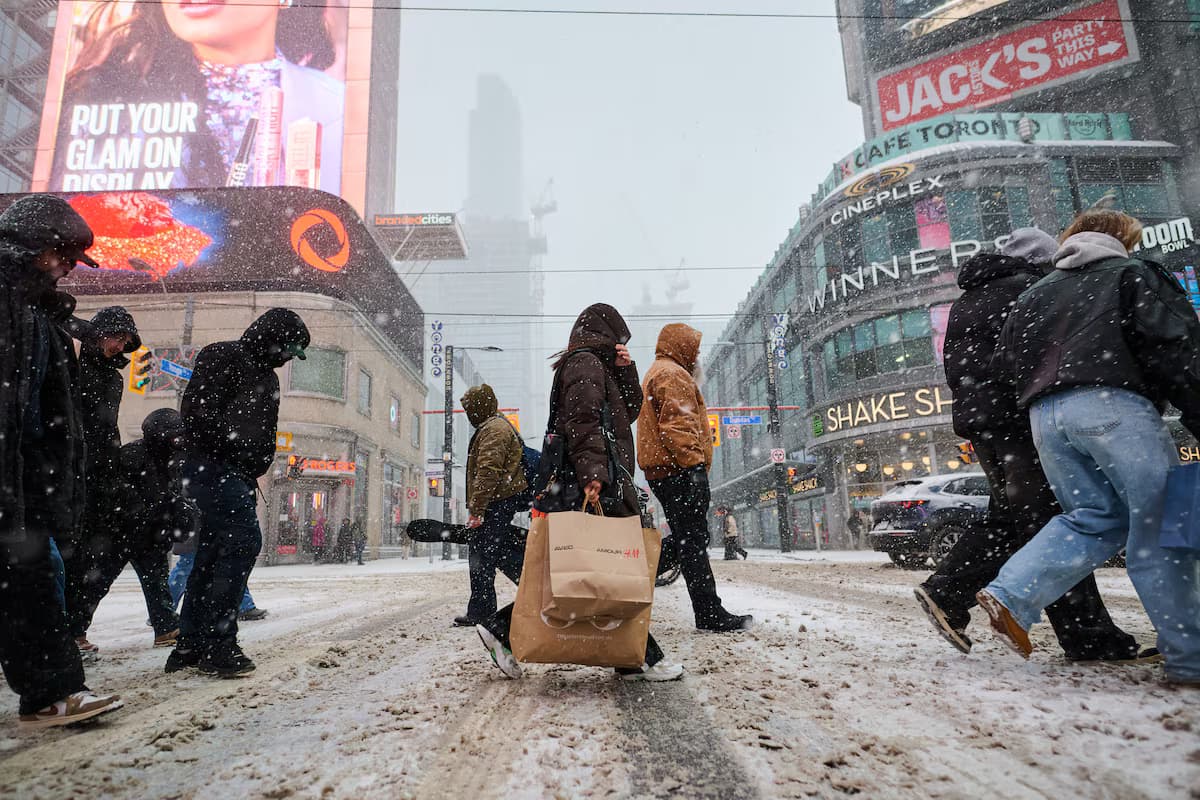
Vision Zero 2025: Progress on pedestrian safety, lingering questions on cycling and congestion
Toronto’s Vision Zero data show traffic deaths fell to 39 in 2025 and pedestrian deaths are down sharply, but cycling injuries and congestion policy pose unresolved safety trade-offs.
Copy link
By Torontoer Staff
Toronto’s Vision Zero team released its 2025 data yesterday, and the broad trend is positive: traffic-related deaths fell to 39 last year, down from the three previous years and reflecting a decade of improvement since the city adopted the Scandinavian safety strategy.
Pedestrian fatalities have declined from 44 in 2016 to 19 in 2025, with serious injuries dropping from a high of 165 in 2018 to 85 last year. The city credits a suite of engineering and enforcement measures for much of the progress.
What the data show
City reports list nearly 1,200 new community safety zones with lower speed limits and higher fines, 649 new school safety zones, 224 new traffic signals and crosswalks, and about 1,700 pedestrian head-start signals. Deaths and serious injuries to drivers have fallen in parallel with pedestrian improvements, suggesting that reduced speeds and calming measures are working across user types.
Two uncomfortable questions for policy
Two policy questions deserve attention. First, has worsening post-2020 congestion, which forces vehicles to move more slowly and thus reduces lethality, produced an unintentional city-wide calming effect? Second, why have cycling fatalities and serious injuries not shown steady improvement despite the expansion of protected and segregated cycling infrastructure?
Both questions point to trade-offs that the new traffic czar, Andrew Posluns, will have to make explicit. Measures that increase vehicle speeds, even if they ease congestion, will raise risk for pedestrians and cyclists. At the same time, many practical constraints limit what a traffic czar can do, including provincial jurisdiction and tight municipal budgets.
Traffic management versus safety
Posluns may be able to press developers to keep construction clear of travel lanes, and he can recommend operational changes. He cannot, by himself, change provincial rules, fully restore transit budgets, or accelerate major transit projects like the Ontario Line. Those limits shape the realistic menu of options for reducing congestion without increasing harm.
Specific trade-offs are easy to list. Removing parking from streetcar routes could speed surface transit and general traffic, but it could also increase vehicle speeds on arterials such as King, Queen, Dundas and College. Speed increases on those corridors would test the benefits of existing Vision Zero measures, especially since Queen's Park has banned speed cameras.
Cycling safety: progress, gaps and data limits
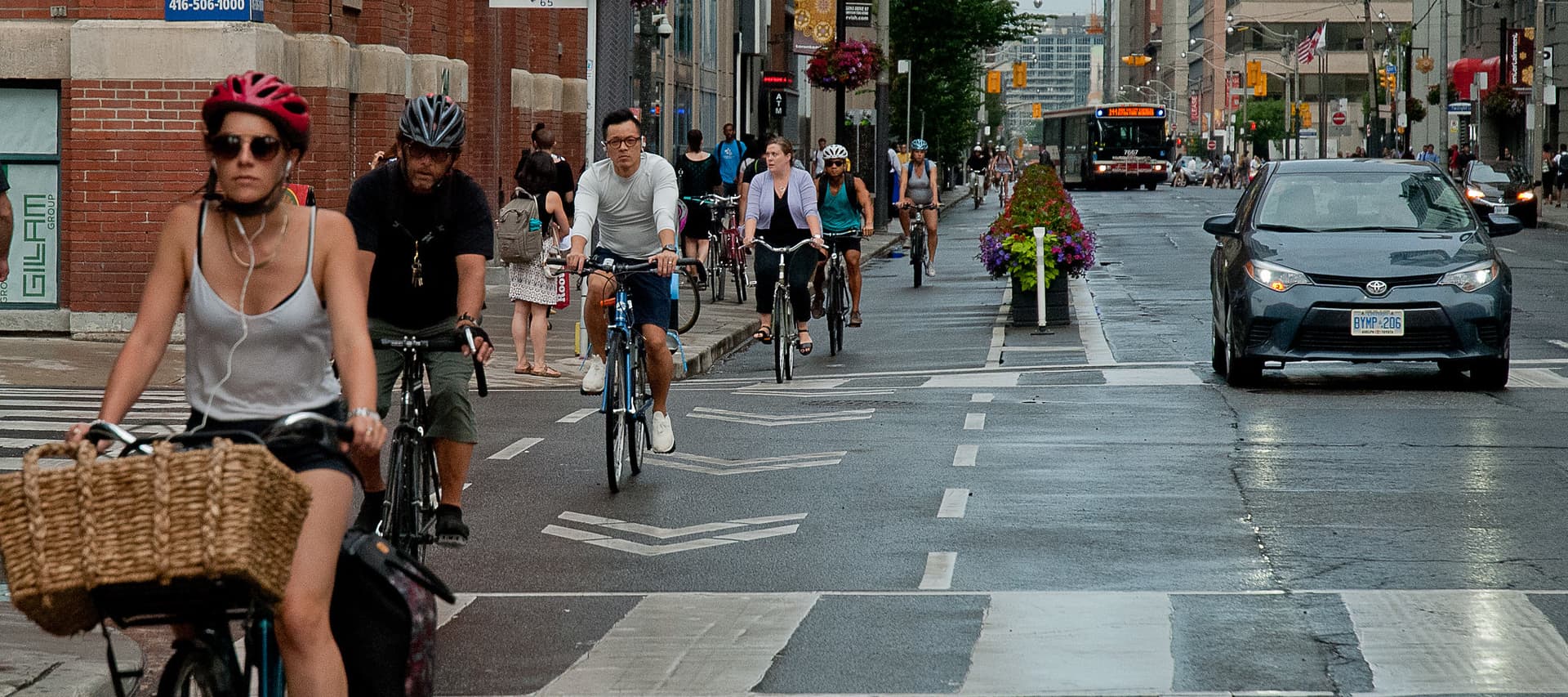
Cyclist fatalities and serious injuries show no clear decade-long downward trend. Fatalities fluctuated year to year, with higher counts in 2017, 2018 and 2020, a spike in 2024, and a lower number in 2025. Serious injuries have eased since 2023, but remain above the lowest mid-2010s levels.
Part of the puzzle is that police-reported collision data undercount the true burden of cycling injuries. A 2024 study published in BMJ’s Injury Prevention Journal found that police-reported cyclist deaths and serious injuries fell between 2016 and 2021, while hospitalisations and emergency visits did not change much, partly because cycling activity rose during the pandemic.
Cycling injuries were "severely under-represented" in police data, particularly those not involving a vehicle.
BMJ Injury Prevention, 2024 study
That discrepancy suggests the city needs to triangulate multiple data sources, including hospital data and collision reports from hospitals and paramedics, to get a fuller picture of cycling risk. It also means infrastructure counts alone do not guarantee safety gains if behaviour, enforcement and modal mixes change.
Actions the city should prioritise
- Publish transparent trade-off assessments for any congestion or parking policy that could increase vehicle speeds.
- Target known cycling hot-spots with engineering fixes, increased segregation or intersection treatments.
- Expand data collection beyond police reports, including hospital and EMS data, to capture non-vehicle cycling injuries.
- Review and enforce rules for fast-moving e-bikes and scooters, and test lane widening where space allows.
- Evaluate temporary parking removals on streetcar routes with clear safety mitigation measures and public consultations.
The city’s cycling litigation against the provincial government highlighted the link between infrastructure removal and increased risk. With appeals and jurisdictional constraints in play, municipal staff should use this interregnum to analyse causes of collisions and to develop evidence-based interventions that do not rely only on higher-level decisions.
What to expect from the traffic czar
Posluns’ mandate should be explicit about safety trade-offs. He needs to set out expected benefits and risks for each proposal, and explain to council and residents how any speed or capacity gains will be mitigated so they do not translate into more injuries or deaths.
Success will require clear metrics, regular public reporting and coordination across transportation, transit, public health and policing. Absent that discipline, temporary fixes that ease delays could erode a decade of Vision Zero progress.
Toronto’s 2025 numbers show improvement, but they also expose fault lines. The city can build on recent gains if policy choices are transparent, data-driven and focused first on reducing harm for the most vulnerable road users.
Vision Zeroroad safetycyclingtrafficToronto