Warm January has B.C. gardens blooming early, but a cold snap could still cause damage
An unusually mild January has crocuses, daffodils and cherries out across southern B.C. Gardeners should protect vulnerable plants ahead of any late frosts.
Copy link
By Torontoer Staff
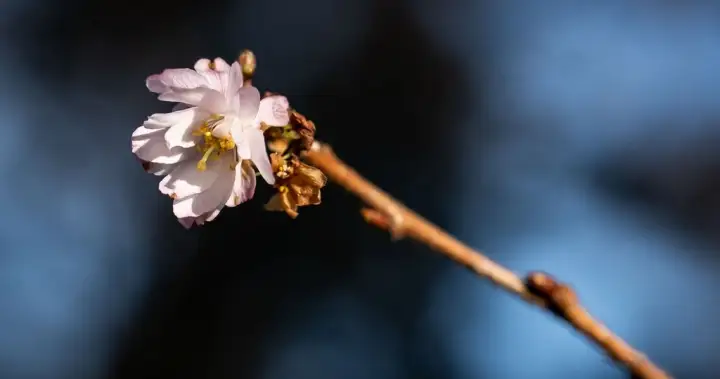
An unusually mild January has coaxed early blossoms across parts of southern British Columbia, prompting delight and a note of caution from experts. Homeowners from North Vancouver to Victoria are spotting crocuses, daffodils and cherry blooms well ahead of their normal schedule.
Meteorologists and botanists warn that an early spring flush can leave plants vulnerable if a cold snap follows. Simple protective steps now can reduce the risk of bud and leaf damage to ornamental and fruiting trees.
Why plants are blooming earlier this year
Environment and Climate Change Canada data show January temperatures on the South Coast have run about two degrees warmer than the long-term average since 1896. Agency figures put the average maximum temperature in Vancouver for the first 18 days of the month at 8.3 C, with a high of 13.8 C last week and an average minimum of 4 C. By comparison, typical January highs are around 6 C and lows around 1 C.
Meteorologist Derek Lee says a more active Pacific storm track and La Niña patterns have been funneling warmer air into southern B.C. “It’s bringing more warm air from the Pacific to keep us warm,” he said, adding that overnight lows have rarely dipped below zero so far this month.
University of Victoria biology professor Barbara Hawkins says the accumulated heat to date is much greater than usual, which encourages trees and bulbs to break dormancy. “We have had such a warm winter with a much greater accumulated heat sum to date than is usual,” she said.
How a late freeze harms plants
Plants respond to warming by producing buds, leaves and flowers. If those tissues are active and a hard freeze follows, the new growth can be damaged or killed, reducing aesthetic value and, for fruit trees and vines, sharply cutting yields.
Andrew Weaver, climate scientist and former leader of the B.C. Green Party, warned that an earlier thaw and later last frost are trends linked to a warming climate. “Frankly, people just don’t listen. There is well-documented evidence that the last frost is much later than normal, and the thaw is much earlier than normal,” he said.
The stakes can be high for agriculture. Two winters ago, a warm spell that triggered early budding was followed by a severe cold snap that devastated B.C.’s grape crop and wiped out the majority of the stone fruit harvest.
Practical steps gardeners can take now
Protecting vulnerable plants does not require specialised equipment. The following measures help reduce damage if temperatures drop unexpectedly.
- Cover tender plants and blossoms overnight with frost cloth, horticultural fleece, or bed sheets, securing edges to trap heat. Remove coverings in the morning to avoid overheating.
- Delay pruning fruit trees and shrubs until after the typical last frost date. Pruning stimulates growth and can increase frost susceptibility.
- Mulch around the base of perennials and young trees to insulate roots and moderate soil temperature.
- Water soil lightly before a predicted frost. Moist soil holds heat better than dry soil and can protect roots.
- Move potted plants indoors or to sheltered spots such as garages, porches, or against warms walls.
- For small orchards or valuable specimens, consider stringing old Christmas lights through branches to emit low-level heat, or use portable orchard heaters for larger operations. Avoid open flames and always follow safety guidelines.
Gardeners should monitor local forecasts closely. If overnight lows are expected to dip below freezing, apply temporary protection, especially for recently opened blossoms and newly emerged leaves.
I just walked up there and went underneath and took some pictures. I can’t ever remember seeing them this early.
Larry Sewell, North Vancouver resident
For many gardeners, the early displays are a welcome sign of spring, and small protective actions can preserve both the pleasure and productivity of those plants. Planning, timely covers and modest care will help reduce losses if the weather turns colder.
gardeningclimateBritish Columbiaplantsfrost-protection