When Kids Prefer Sushi: How Family Food Budgets Are Adjusting
Kids preferring sushi over pizza and chicken fingers is changing family habits. Parents report weekly $150 meals, sushi birthday parties and new strategies to manage costs.
Copy link
By Torontoer Staff
Children who prefer sushi over traditional kid staples are forcing families to rethink grocery bills, meal planning and birthday parties. Parents describe weekly restaurant visits that can reach $150 and a new set of social expectations around what an acceptable kids' meal looks like.
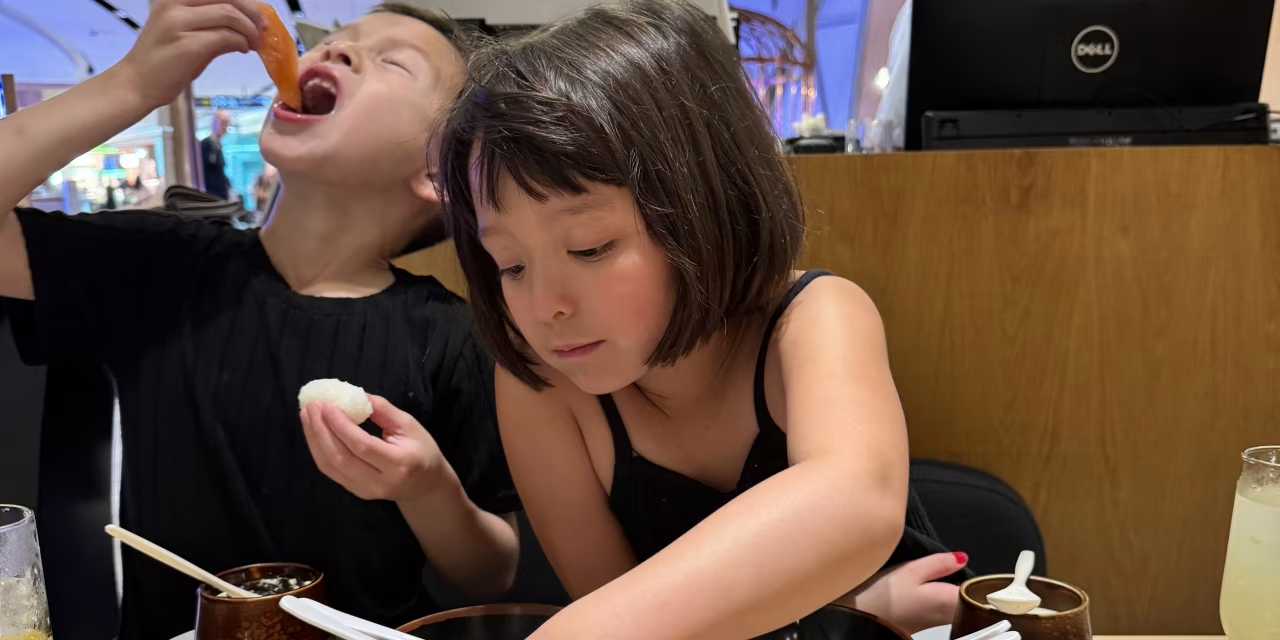
Grace Embury, a stay-at-home parent in Calgary, says introducing her two children to sushi was her worst financial decision. Her eight- and six-year-old regularly ask for salmon rolls, tuna rolls and tamago, and Embury limits outings to once a week to keep costs from ballooning.
How sushi became a kid favourite
Sushi moved from a niche dining option in the 1960s to a mass-market item after advances in freezing and distribution made raw fish widely available. The food’s ubiquity means Gen Alpha does not carry the same cultural hesitation about raw fish as previous generations.
Because of its ubiquity, Gen Alpha doesn’t have the cultural baggage of eating raw fish.
Trevor Corson, author of The Story of Sushi
Chefs and parents point to a few simple reasons children take to sushi: bright presentation, novelty elements such as conveyor belts, and a sweeter sushi rice. Chefs have long adjusted seasoning to suit broad tastes, and that sweeter profile helps make sushi appealing to young palates.
The cost of a new go-to
Sushi can be more expensive than more familiar kid options. Family dinners at casual sushi restaurants frequently run into triple digits, and omakase-style meals can cost $95 or more per person. Retail sales show the category growing: grocery and retail sushi sales were $2.9 billion for the 12 months through November 2025, up 7 percent year over year, according to Circana.
I see omakase customers as young as 6 years old. Parents say it’s a reward for finishing homework.
David Seo, chef and owner of Shumi
Parents weigh the expense against perceived benefits. Some see sushi as a healthier option than fast-food defaults. Others accept the bill as the cost of peace of mind, particularly when one dish satisfies multiple children.
Parties, prestige and parental choices
Sushi has entered the party circuit. Planners report hiring sushi chefs for tweens’ birthdays and running sushi-making classes for small groups. For some families this is a way to turn an expensive taste into a single, contained celebration; for others the shift is ongoing, with sushi replacing pizza as the default party food.
It’s become like a chicken finger.
Michelle Shuey, party planner
Parents employ a range of strategies to keep costs in check while letting kids explore new flavours. Some set strict limits, such as one restaurant visit per week. Others bring sushi into the home through grocery trays or DIY kits that cut restaurant markups. For families that value culinary exploration, the expense is a trade-off they accept.
- Designate a weekly sushi night so restaurant visits are predictable
- Buy grocery sushi or ready-made rolls for lower-cost options
- Try DIY sushi kits and involve kids in assembly to reduce cost per serving
- Set price limits for outings and split higher-end experiences for special occasions
- Introduce smaller portions or shared plates so kids sample without a full entrée
Parents balancing taste, budget and pride
Reactions among parents range from bemused pride to sticker shock. Some are proud their children will opt for salmon nigiri over fries, while others recall gasping at the first bill. For many, the preference for sushi connects to broader aspirations: food education, adventurous tastes and a sense of maturity for the child.
They are like savages, they just want to eat it all.
Grace Embury, Calgary parent
Other parents report practical benefits. A four-year-old who uses chopsticks impresses onlookers, and parents who grew up with different food norms find themselves adapting to a culinary landscape they did not experience as children.
Sushi’s rise among young diners is a small example of how changing tastes reshape household spending and rituals. For parents the question is less about whether kids will like sushi, and more about how to make that preference affordable and sustainable for the family.
parentingsushifamily-budgetkids-foodfood-trends