Where to drive when snow hides lane lines: practical winter rules
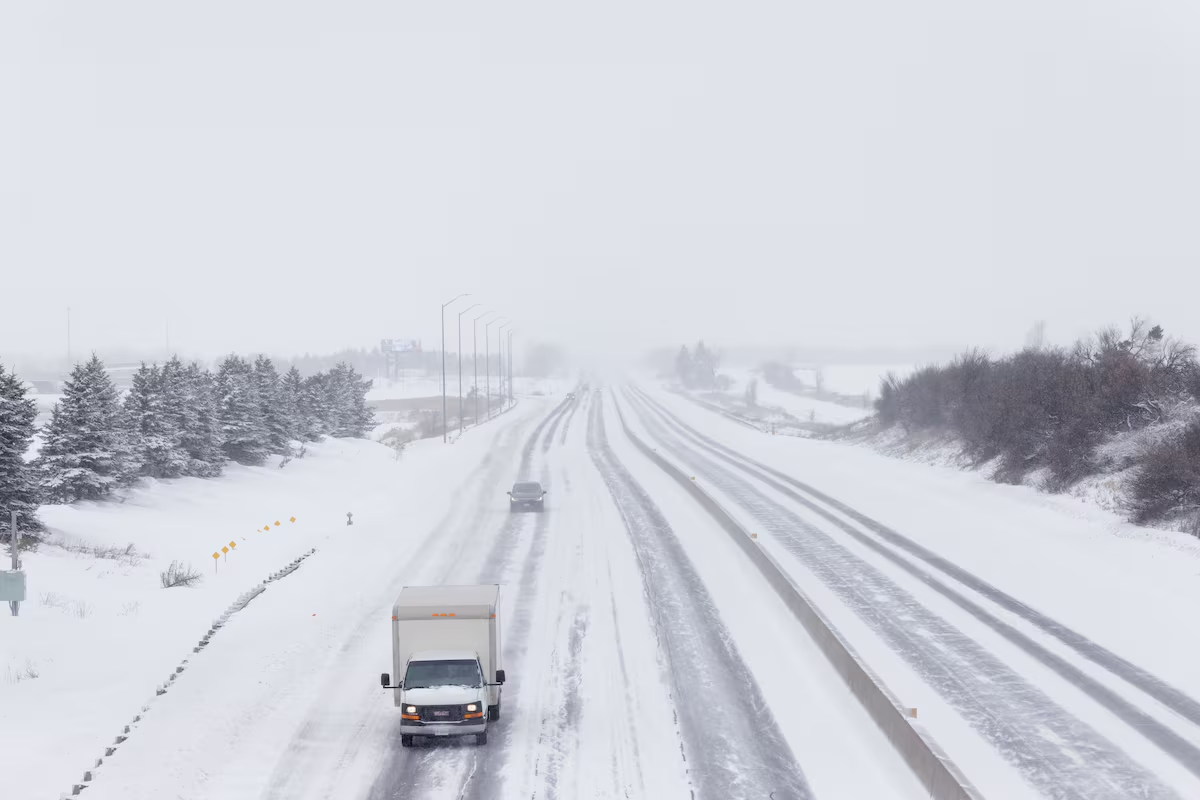
If lane markings are buried in snow, you may need to occupy more than one lane. Drive to match the flow of traffic, slow down and keep space, experts say.
Copy link
By Torontoer Staff
When snow covers lane markings you may have to cross the lines to stay safe. Provincial traffic laws generally require drivers to remain in their lane, but most include an exception when conditions make using a single lane impractical.
That creates two practical rules for winter driving: do your best to stay in a lane, and adjust your position to match the safest, most predictable flow of traffic.
When crossing a line is legally acceptable
Most provinces say drivers must keep to marked lanes. They also recognise exceptions, for example when passing, changing lanes, or when road conditions make using a single lane impractical. Enforcement is discretionary, and officers consider the conditions at the time.
If you were charged [and the lines weren’t visible], you may have a potential defence in court.
Corporal Troy Savinkoff, Alberta RCMP
B.C. Highway Patrol describes snow-covered lines as a reasonable excuse when drivers do their best to maintain the regular flow of traffic. That means you cannot drive erratically across the entire roadway simply because the paint is buried.
You must do the safest thing that is closest to the ordinary lane position, sometimes you should follow the clear lane; other times that would be dangerous.
Corporal Michael McLaughlin, B.C. Highway Patrol
How to choose where to drive
Match the flow of traffic where it is safe to do so. If other drivers are following a visible path and they are not driving dangerously close to neighbouring cars, staying in that path reduces confusion and risk.
If the vehicle ahead is out of step with the general flow, pass them safely when conditions allow. Always slow down, increase following distance, and avoid sudden steering inputs.
Avoid creating a new track through deep, unpacked snow unless you are confident your vehicle can handle it. A single unseen drift or patch of compacted snow can cause loss of control.
[In winter] you have to do what is safe for yourself and others and sort of match what other people are doing.
Dennis Porter, senior driving instructor, Alberta Motor Association
Lane choice on multi-lane roads and highways
On highways, slower traffic should usually keep to the right unless passing. If the right lane is blocked by snow or ice, it is acceptable to use the left lane at a speed safe for the conditions. Context matters, though. Do not drive significantly below the posted speed if the right lane is only lightly dusted and conditions are otherwise fine.
Keep in mind that aggressive driving remains a major risk in winter. Officers say some drivers still speed in poor conditions, increasing crash risk and fatalities.
Practical checklist for driving when lane lines are covered
- Slow down and lower your speed to match conditions.
- Increase following distance to allow more reaction time.
- Match the general flow of traffic when it is safe to do so.
- Avoid forging new tracks through deep snow unless necessary.
- Pass or change lanes only when you can do so safely and predictably.
- Use the right lane when you are travelling slower, unless it is unsafe.
- Document conditions if you are stopped, using photos or dashcam footage where possible.
If you are stopped or ticketed
An officer will judge whether your driving was reasonable under the conditions. If markings were obscured and you were trying to maintain the flow of traffic, you may have a defensible position in court. Keep any evidence that shows conditions at the time, and be prepared to explain your actions calmly.
The best protection is preventative: slow down, drive predictably and leave plenty of space. These actions reduce both the chance of a ticket and the likelihood of a crash.
Snow-covered lane lines complicate winter driving, but the principles are simple: prioritise safety, match the safest flow of traffic, and adjust your position only when you can do so without creating hazards. Doing so keeps you and other road users safer, and helps ensure any enforcement is seen in context.
winter-drivingroad-safetydriving-tipssnowCanada