Why rising grocery bills are making Canadians feel poorer
Wages have outpaced headline inflation since 2019, but food costs have risen much faster. Groceries, not overall CPI, explain why many households feel squeezed.
Copy link
By Torontoer Staff
Headline inflation and rising wages suggest Canadians should be better off than before the pandemic. In reality many households feel chronically squeezed, and the main culprit is food. Grocery prices have risen far faster than the overall Consumer Price Index, turning routine shopping trips into repeated reminders of shrinking purchasing power.
Average weekly wages are up about 29 per cent since the end of 2019, while the Consumer Price Index has increased roughly 21 per cent. That gap does not reflect what families experience at the grocery store, where food prices have climbed at roughly double the pace of overall inflation and remain a persistent burden.
How much food prices have moved
Food inflation led the price shock of 2021 to 2023, and it has become a lasting feature of daily life. Since the end of 2019 beef is up about 62 per cent and coffee about 63 per cent. In December groceries were 5 per cent higher year over year, and Canada’s Food Price Report for 2026 projects grocery bills will rise another 4 to 6 per cent this year.
The cumulative effect is large. University of Calgary economist Trevor Tombe calculated that the amount of food the average family can buy with its disposable income has fallen back to 2005 levels after several years of gains. Tombe also found Canada experienced its biggest single-year loss in food purchasing power in the postwar era in 2022, and the second-largest decline in 2023.
Good evidence that groceries, and gas, prices drive sentiment and beliefs about inflation more generally.
Trevor Tombe, University of Calgary economist
What is driving grocery inflation
Multiple global and domestic forces have pushed food costs higher. Russia’s invasion of Ukraine hit wheat and related products such as bread and pasta. The pandemic disrupted global supply chains, and extreme weather events have affected coffee and other crops. A weaker Canadian dollar makes imports more expensive, and climate-driven drought in parts of Western Canada has reduced cattle herds, raising beef prices.
Canada imports about $70-billion in food annually, which increases vulnerability to disruptions abroad. At the same time, domestic food manufacturing and supply-chain investment have lagged, reducing resilience. Statistics Canada reported the volume of food sold by Canadian manufacturers declined 2.7 per cent in August, a sign of pressure in the domestic food sector.
Canadians feel like they’re being cheated. The journey toward understanding the true cost of their food has been very painful for Canadians.
Sylvain Charlebois, Dalhousie University Agri-Food Analytics Lab
Why groceries shape how we feel about the economy
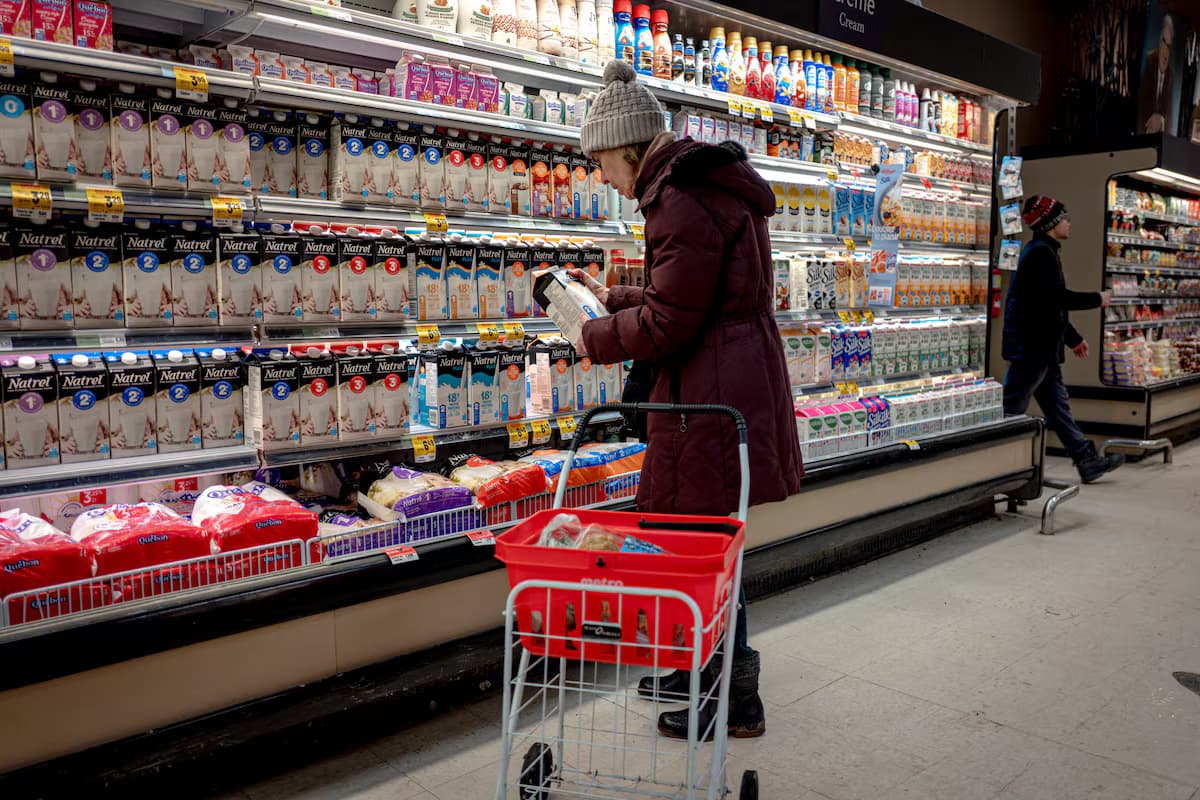
Grocery shopping is a weekly ritual for most households, so food price increases are noticed immediately and repeatedly. Other costs, such as rent and insurance, matter too. Rent has risen about 32 per cent over the past six years and home insurance about 45 per cent. Still, groceries offer constant, visible evidence of the cumulative cost pressures that are otherwise hidden in broad economic averages.
Retail tactics such as shrinkflation, where package volumes fall but prices remain the same, and skimpflation, when product quality declines, also erode trust and heighten the sense of being worse off.
Practical ways to ease the grocery strain
- Plan meals and make a shopping list to avoid impulse purchases.
- Buy in-season produce and compare unit prices rather than package prices.
- Swap pricier proteins for legumes, canned fish, or cheaper cuts of meat.
- Use loyalty programs and digital coupons selectively, focusing on items you already buy.
- Cook larger portions and freeze leftovers to reduce waste and stretch meals.
- Shop less often when possible, to reduce the number of times you face price pressure.
These steps will not undo wide economic trends, but they can help households manage immediate pressures and regain a measure of control over their food budget.
What to watch next
Expect grocery costs to remain a central issue for household budgets in 2026. With the Food Price Report forecasting another 4 to 6 per cent increase and the average family of four facing roughly $1,000 more in grocery spending next year, food prices are likely to continue shaping public sentiment and household decisions.
Longer term solutions require policy and private-sector investment to strengthen domestic supply chains, expand processing capacity and improve food security. Until then, grocery bills will remain a frequent reminder of the gap between headline economic statistics and everyday experience.
food pricescost of livingpersonal financegrocery shoppingCanada