Why we decided to wait on getting a dog until our kids are older
Balancing childcare, travel and rising pet costs led one family to postpone dog ownership. They plan to reassess after building an emergency fund and when schedules ease.
Copy link
By Torontoer Staff
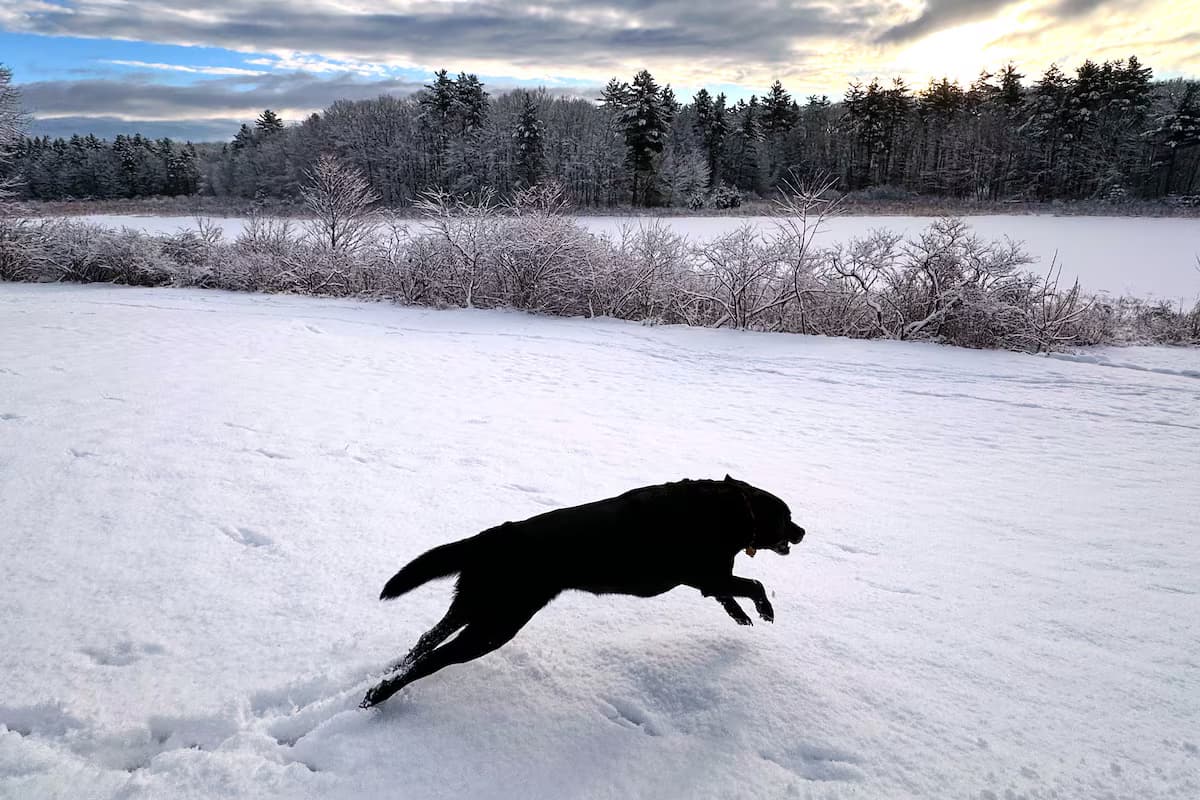
We love dogs, and I have always pictured our family with a black Labrador. After looking at our daily routines, finances and long-term plans, my husband and I decided to delay bringing a dog into our home until our children are older.
The choice is practical. Caring for young children already fills most of our time, and adding the responsibilities of a dog would be difficult to manage right now. We want to be confident we can meet a pet's needs before we commit.
Time and logistics
Daily dog care includes walks, training, feeding, grooming and regular vet visits. With toddlers at home and a work schedule that still involves childcare logistics, fitting those tasks into our routine would be challenging. Training a puppy can demand as much attention as a newborn for the first months, a comparison many new dog owners report.
Travel is another factor. We value the flexibility to visit family or take weekend trips. Paying for pet sitters, boarding or asking friends and family to help is possible, but those options add cost and stress that would affect our ability to enjoy time away without worry.
Costs, ongoing and unexpected
Pet ownership is more expensive than it was a few years ago. A 2025 report from Rover put the lifetime cost of a large-breed dog in Canada at over $50,000. The same report found that bringing a dog home in 2025 cost 17 per cent more than a year earlier.
Annual costs vary widely. Rover estimated average yearly expenses range from about $1,418 to $4,485 across Canada, with larger breeds often costing more. The platform reported an average annual cost for small dogs at $1,860 and for large breeds at roughly $5,600. Vet prices, preventative treatments and vaccinations rose by as much as 50 per cent in 2025 compared with the previous year.
Beyond routine spending, unexpected veterinary bills are a major concern. Pet insurance can help, but it is an additional monthly cost. The North American Pet Health Insurance Association reported the average premium for accident and illness coverage for dogs in Canada was $89 per month in 2024, up 37 per cent since 2020.
- Upfront: adoption or breeder fees, initial vet checks, spay/neuter, supplies and equipment
- Ongoing: food, vaccinations, medications, grooming, toys and sitter fees
- Unexpected: emergency surgeries, chronic illness treatments, diagnostic testing
A responsible compromise
We settled on a plan to reassess in a few years. Our goals before getting a dog are clear: reduce daycare dependence, build a pet emergency fund that covers expenses insurance might not, and confirm we can comfortably afford ongoing costs without compromising the household budget.
We will reassess in a few years when we don’t have daycare costs and once we’ve built up our pet emergency fund,
Erin Bury
Delaying does not mean giving up on pet ownership. It means planning so a dog becomes a stable, welcomed member of the family rather than an additional stressor.
How to prepare now
If you are considering a similar delay, take practical steps while you wait. Research typical costs for the breed you want, get quotes for pet insurance, and start a dedicated savings account for pet-related emergencies. Volunteer with animal rescues or help friends with dog care to gain experience. Arrange a timeline tied to specific financial and scheduling milestones.
- Set a monthly target for a pet emergency fund
- Compare pet insurance plans and coverage limits
- Try regular dog-sitting or volunteering to learn about daily responsibilities
- Make a plan for training and integration when the time comes
Alternatives while you wait
Until we are ready, we enjoy occasional dog time with friends and borrow pets for short visits. These interactions provide companionship for the kids and let us assess how a dog fits with our family dynamics, without committing to full-time ownership.
Watching videos or scrolling social media can satisfy the immediate urge, but hands-on experiences teach the realities of pet care in ways online content cannot.
Delaying pet ownership allowed us to make a decision based on capacity and responsibility rather than impulse. When we do add a dog to our family, we want to be ready to provide time, attention and financial security for its entire life.
petsparentingfamilypersonal financedogs