How Stephen Harper’s trade legacy is shaping Mark Carney’s agenda
As Conservatives mark the 2006 victory, Harper’s decade-long push to diversify trade is proving useful to Prime Minister Mark Carney. Plus: oil exports rise outside the U.S., but not enough.
Copy link
By Torontoer Staff
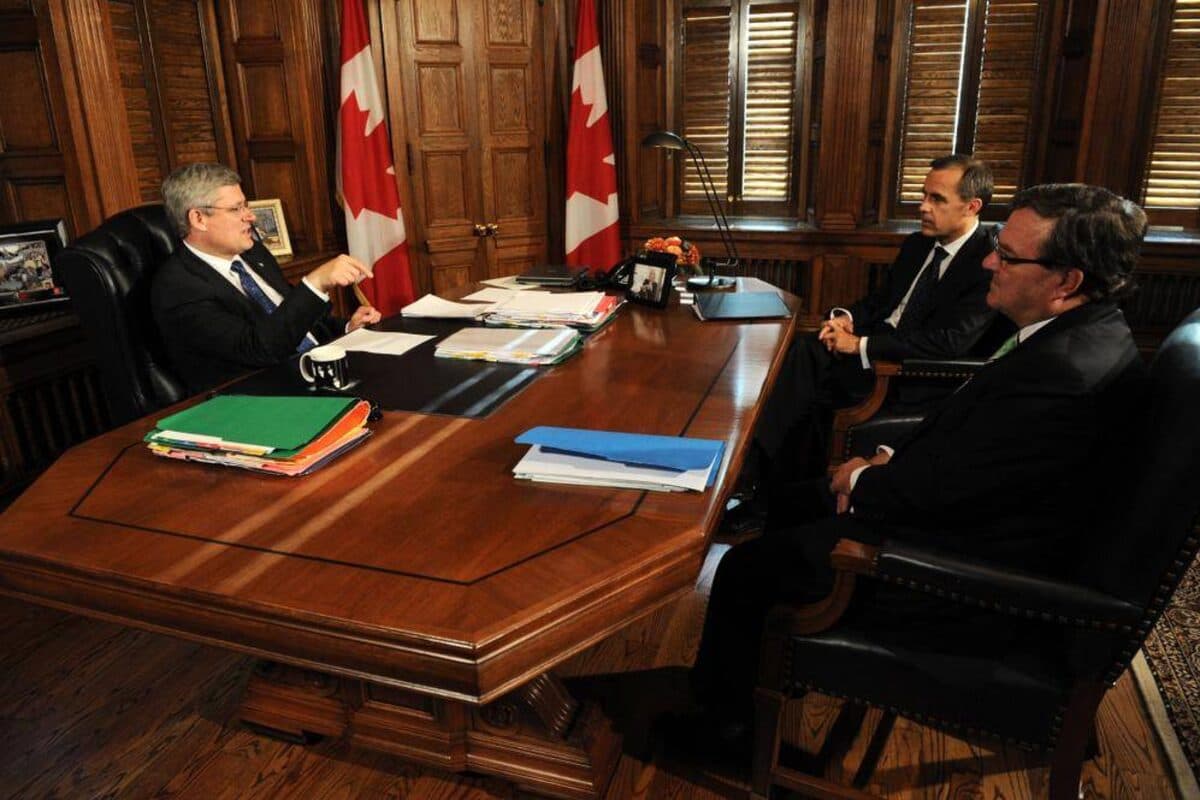
As the Conservative Party marks the 20th anniversary of its 2006 return to power, the policy choices of Stephen Harper’s decade in office are having a renewed effect on Ottawa. Harper’s trade agenda and spending discipline are now part of the toolkit Prime Minister Mark Carney is using to push Canada toward deeper ties beyond North America. Today’s briefing also looks at the mixed picture for oil exports and a short business round-up.
How Harper’s trade push set the table
Harper’s government pursued bilateral and regional deals that shifted Canada’s trade architecture away from an almost exclusive focus on the United States. John Ibbitson, Harper’s biographer and a long-time Globe and Mail journalist, says those efforts are now helping Carney as Ottawa faces a more protectionist American partner.
It was Stephen Harper who first said that Canada was an energy superpower. And what did Mark Carney start saying as soon as he became prime minister? Canada is an energy superpower.
John Ibbitson
Under Harper, Canada completed deals with South Korea and Israel, launched talks that led to CETA with the European Union, and joined negotiations that eventually became the Trans-Pacific Partnership. Those agreements expanded destination markets and created alternative supply chains that a later government can use to reduce U.S. exposure.
Ibbitson frames Harper and Carney as practical managers who share a faith in Canada’s economic potential. That common ground, he says, helps explain why Carney’s strategy now emphasises trade diversification and closer ties with middle powers.
Federal spending and provincial relations
Harper kept federal spending growth tightly controlled after the 2008 stimulus period, capping increases at roughly 2 per cent. Ibbitson says the approach required “turning the screws” on the public service but helped stabilise finances over the long term. Carney inherits a larger federal apparatus and a different set of fiscal pressures, so how he balances austerity and investment will matter politically.
On federal-provincial relations, Harper preferred to keep Ottawa within constitutional bounds and give provinces room to govern. Ibbitson credits that approach with reducing major federalism crises during Harper’s time in office. Whether Carney follows that model or leans toward more federal direction on issues such as housing and health will shape centre-periphery politics going forward.
Quick business briefs
- Pensions: The CAAT Pension Plan’s board chair has been suspended as investigations proceed into governance problems at the $23.3-billion fund.
- Acquisitions: Vancouver-based Eldorado Gold Corp. is buying Foran Mining Corp. for about $3.8 billion.
- Aerospace: Canadian manufacturers say Trump-era threats to revoke safety permits for Canadian-made planes are creating regulatory uncertainty.
Fans embraced us, and we loved them right back. This statue is for the fans.
Joe Carter
The Blue Jays will honour Joe Carter with a statue outside Rogers Centre, celebrating his role in the team’s 1993 World Series victory.
Oil’s well? A record, with limitations
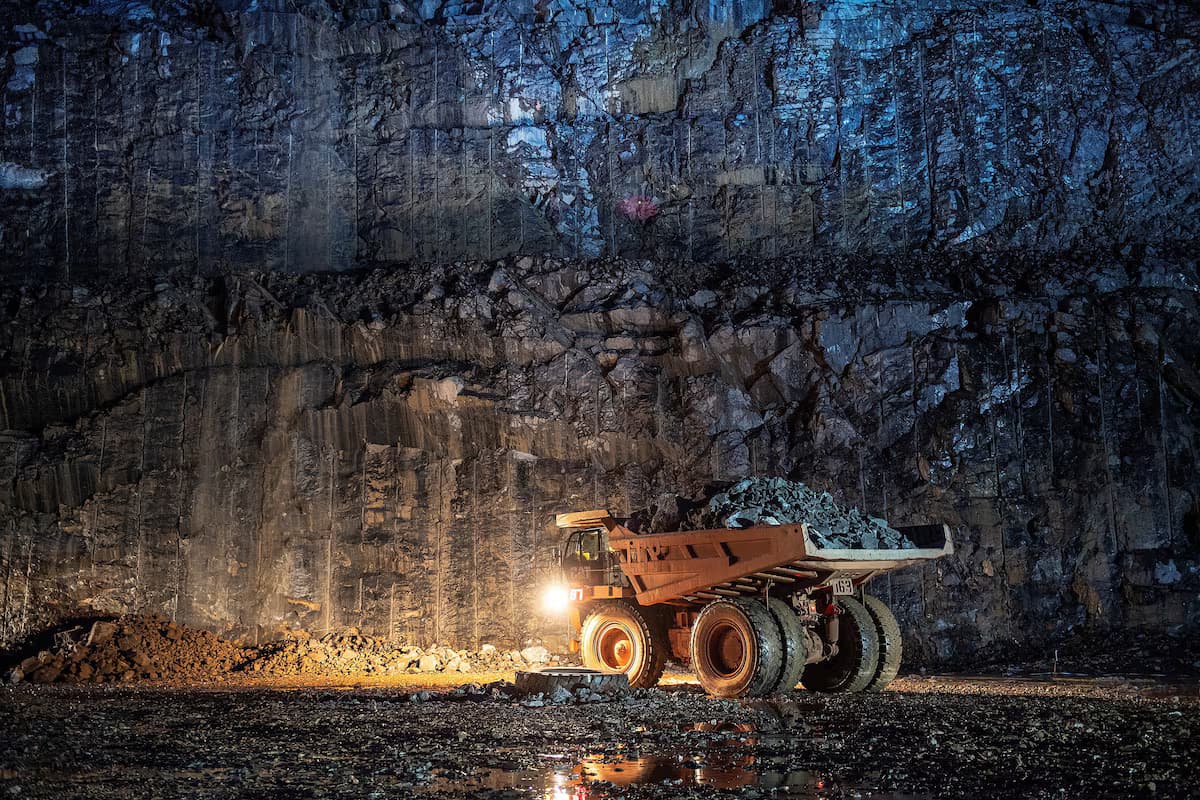
Statistics Canada data show the share of Canadian crude heading to non-U.S. markets hit a record high in November, extending gains from October. The Trans Mountain pipeline expansion has contributed to that diversification by increasing export capacity to the west coast and overseas buyers.
The improvement in destinations outside the United States is meaningful, but analysts caution it has not fully offset weaker demand from south of the border. Export volumes to new markets are rising, yet they still fall short of compensating for the contraction in U.S. purchases.
Other files to watch
- Frank Stronach prepares to stand trial on sexual assault charges.
- Developments in Washington after President Trump’s remarks about financial regulators, including Kevin Warsh.
- Copper prices fall as demand softens and inventories rise.
Market snapshot
Global markets recovered after a three-day slide, with the STOXX 600 up around 0.2 per cent in morning European trade. Japan’s Nikkei jumped nearly 4 per cent, while Hong Kong and major European indices saw modest gains. Wall Street futures were mixed. TSX futures were positive as commodity prices improved. The Canadian dollar traded near 73.11 U.S. cents.
Sign up for our Business Brief newsletter for a daily roundup of the stories moving markets.
Conclusion: As Conservatives mark a milestone, Harper’s policy choices remain part of Canada’s institutional memory. Trade agreements negotiated under his government have created channels that a later administration such as Carney’s can use to reduce dependency on the United States. The shift in oil export destinations and ongoing governance and corporate developments will keep business watchers busy in the months ahead.
Stephen HarperMark Carneytradeoil exportsbusiness brief