After a year of disruption, Canada needs a durable strategy for U.S. volatility
Trump’s first year showed unpredictability as deliberate policy. Canada should treat volatility as permanent and strengthen trade, supply chains and domestic resilience.

Copy link
By Torontoer Staff
A year after the Jan. 20, 2025 inauguration, the U.S. administration’s first-year record looks less like improvisation and more like a deliberate operating style. Policy choices have arrived as rapid shocks: border crackdowns, tariffs as revenue tools, and institutional shake-ups that shift negotiating leverage in real time.
For Canada, the immediate issue is not only specific measures or dollar amounts. The larger challenge is a governing method that treats unpredictability as a tool. That changes how Ottawa should plan, budget and protect supply chains.
Predictable unpredictability
The administration’s public statements and sudden policy turns have a consistent logic. Provocative language widens what becomes sayable. That shifts leverage away from conventional diplomacy and towards rapid responses, often outside traditional bargaining channels.
Examples from the first year include border emergency declarations, tariff offensives framed as domestic revenue, and repeated references to territorial expansion in key speeches. Those elements are not random. They are part of a playbook that forces counterparts to react quickly, to seek stability, and often to accept less favourable terms.
The United States will once again consider itself a growing nation, one that increases our wealth, expands our territory, builds our cities, raises our expectations and carries our flag into new and beautiful horizons.
Donald Trump
What that means for Canada
Canada’s economic and security ties to the United States make it uniquely exposed. Integrated supply chains, cross-border energy flows and shared defence commitments create friction points where sudden U.S. moves can have outsized downstream effects. The response cannot be episodic.
Policy debates focused on tone or intent miss the structural risk. Even if only a fraction of provocations become formal policy, the atmosphere shifts expectations and forces allies to divert political capital into damage control.
A pragmatic Canada strategy
Ottawa should treat volatility as a permanent condition and build tools that reduce vulnerability while preserving leverage. That means a mix of market diversification, domestic resilience and diplomatic calibration.
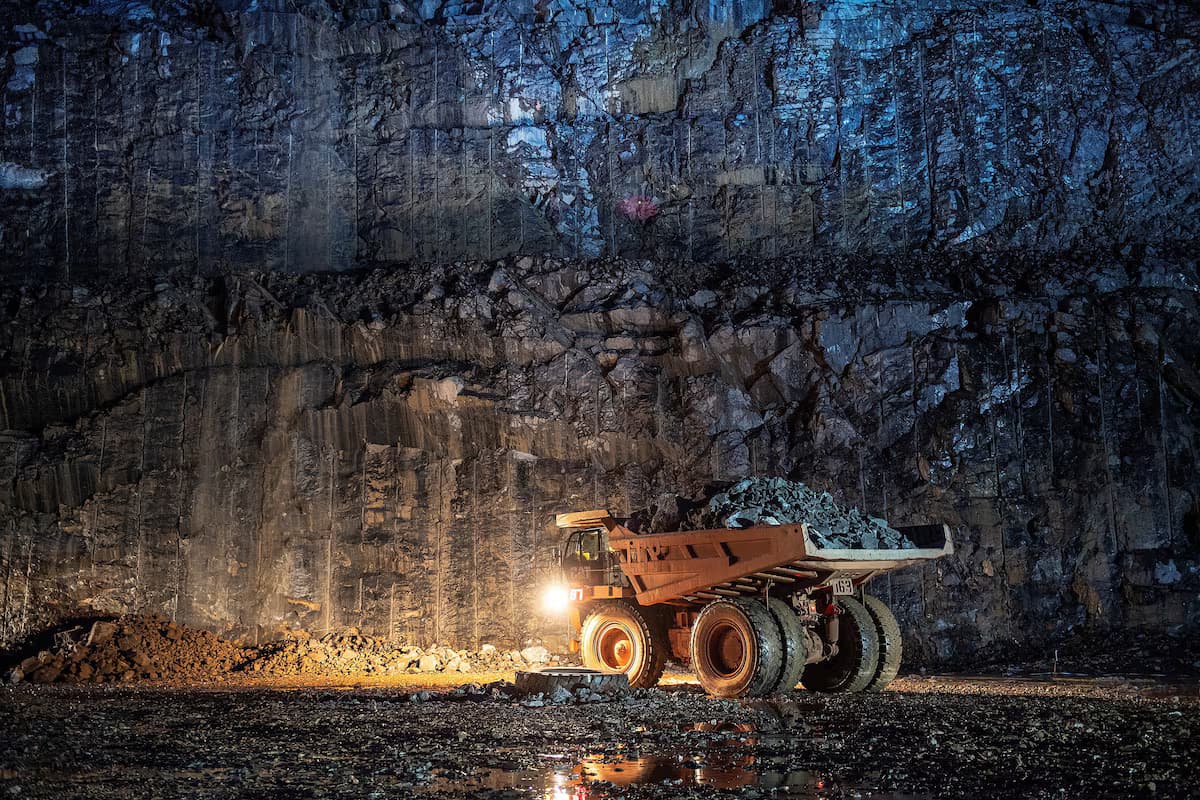
- Map and de-risk supply chains: require critical-sector firms to disclose dependencies, support alternative sourcing, and incentivize nearshoring for key inputs such as semiconductors and rare minerals.
- Strengthen trade relationships beyond the United States: accelerate efforts with Europe, the Indo-Pacific and Latin America to create more options for exporters and reduce single-market exposure.
- Harden infrastructure and stockpiles: review strategic reserves for energy, medical supplies and critical components, and invest in transport and port capacity to reduce chokepoints.
- Use targeted trade instruments: refine safeguard and countervailing mechanisms so Canada can respond proportionally and predictably to sudden tariffs or trade disruptions.
- Protect cross-border services and data flows: negotiate clearer protocols for digital trade, financial services and data security that limit abrupt unilateral action.
- Preserve fiscal and monetary room: give officials political room to act on short notice, including contingency funding and flexible regulatory tools for crisis response.
- Coordinate with allies: elevate shared risk assessments within multilateral forums to reduce unilateral surprises and build common responses to coercive economic practices.
These are practical, sometimes uncomfortable, steps. They do not require a rupture with the United States. They require realistic planning and political will to accept higher short-term costs for longer-term security.
How policymakers should sell the plan
Communicating these changes will matter. Framing resilience measures as valuable public goods for jobs, competitiveness and national security can reduce partisan friction. Businesses, provinces and other stakeholders need clear timelines and predictable support to adapt supply chains and invest.
Ottawa should also preserve diplomatic channels. Calm, routine engagement with Washington helps keep markets steady and reduces the political theatre that amplifies volatility.
Conclusion
The first year of the administration was not a dress rehearsal. The pattern is now policy in practice, not just rhetoric. Canada’s best response is a durable strategy that assumes volatility is normal, protects economic lifelines and gives officials the tools to act quickly and deliberately.
CanadaUnited Statestradesupply chainspolicy