Arctic blast brings wind chills near -50 C, officials warn
Environment Canada has issued orange alerts for much of the Prairies and northern Ontario as an Arctic airmass drives wind chills toward -50 C. Officials advise staying indoors and checking on vulnerable neighbours.
Copy link
By Torontoer Staff
Environment Canada has issued orange weather alerts for all of Saskatchewan and Manitoba and for most of northern Ontario as a brutal Arctic airmass pushes wind-chill values toward -50 C in parts of the country. The alert covers regions likely to experience severe weather conditions that could cause health impacts and disruption to services.
Across the remainder of Ontario and much of Quebec, prolonged wind chills between -40 C and -45 C are expected. A slow warming trend is forecast to begin over the weekend, but dangerous conditions will persist in many areas through Friday and into Saturday.
Where the cold will be worst
Saskatchewan and Manitoba are under the highest-level orange alerts, with northern Ontario also facing severe wind chills. Residents in those areas should prepare for perceived temperatures between -45 C and -50 C. New Brunswick is forecast to see lows between -30 C and -37 C starting Saturday, with the coldest readings in the province's northwest through Sunday.
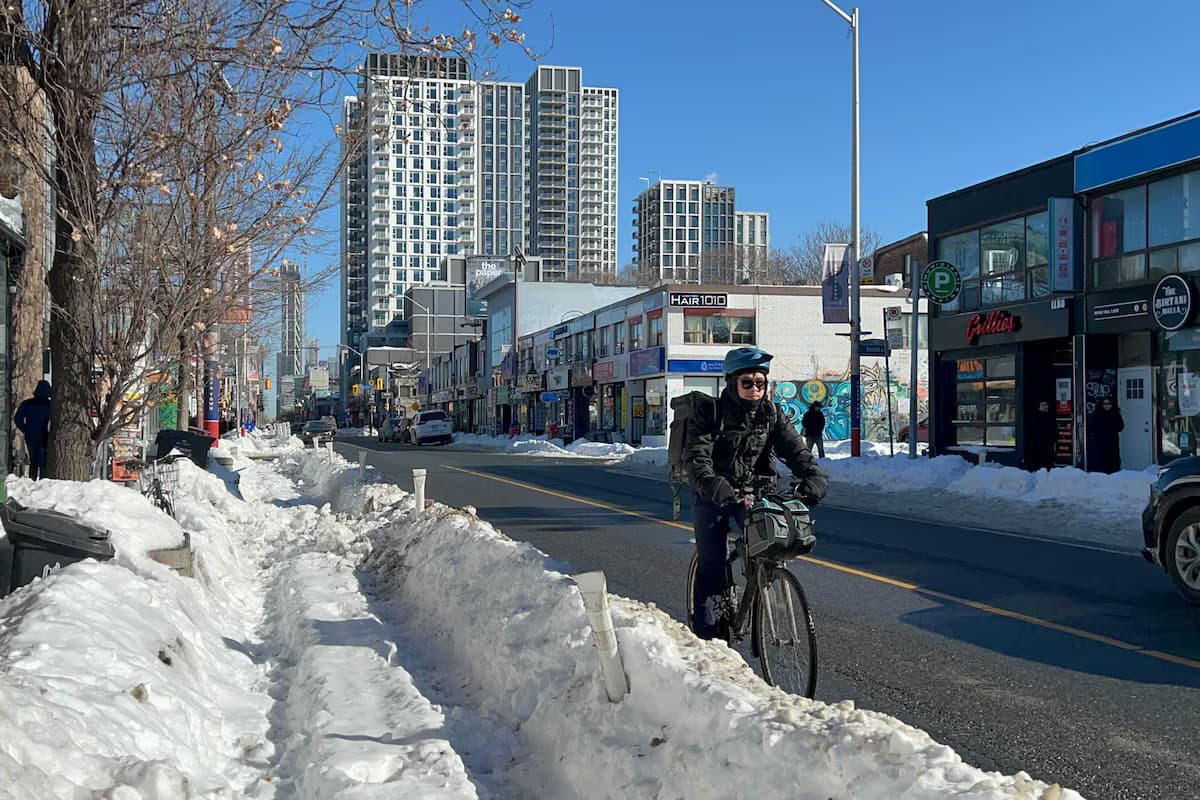
In Toronto, Environment Canada forecasts a Friday wind-chill near -24 C, and city outreach teams have increased shelter checks to encourage people to move indoors. Travel may be hazardous in exposed areas, and utilities could be strained where temperatures remain extreme.
Health risks and who to watch for
Prolonged exposure to these wind chills increases the risk of frostbite and hypothermia. Exposed skin can freeze quickly at extreme wind-chill values, and older adults, young children, people with medical conditions, and anyone experiencing homelessness are at elevated risk.
Extreme cold can lead to frostbite within minutes and poses serious health risks.
Environment Canada
Watch for early signs of frostbite, including numbness, tingling, or pale, waxy skin, and for hypothermia symptoms such as uncontrollable shivering, confusion, and drowsiness. Seek medical attention if symptoms develop.
Practical steps to stay safe
- Stay indoors when possible, and limit time outside to essential trips only.
- Layer clothing, wear a hat and warm gloves, and cover exposed skin with a scarf or balaclava.
- Keep an emergency kit in vehicles and homes, including blankets, a flashlight, spare phone battery, bottled water and non-perishable snacks.
- Protect pipes by insulating exposed plumbing and allowing a small trickle of water to flow from taps if your home is prone to freezing.
- Bring pets indoors and ensure outdoor animals have adequate shelter and unfrozen water.
- Keep mobile phones warm and at full charge, and let family or friends know travel plans.
- If you must drive, check road conditions, keep fuel tanks topped up, and avoid leaving vehicles unattended.
City services and community supports
Municipal outreach teams and shelters are active in many cities. Toronto has increased outreach to encourage people experiencing homelessness to use temporary shelter options. Check local government websites, 311 services, or municipal social service hotlines for locations of warming centres and emergency supports in your area.
Utility companies advise customers to report outages promptly and to avoid opening doors to heated spaces that might let in cold air where pipes are exposed. Community groups and neighbourhood organisations often coordinate check-ins on vulnerable neighbours during extreme cold events.
What to expect this weekend
A gradual moderation in temperatures is expected over the weekend, but many regions will remain well below seasonal averages through Sunday. Those travelling between provinces should allow extra time, monitor forecasts and advisories, and be prepared for changing conditions.
Stay updated with Environment Canada alerts and local advisories, and follow public health guidance. Taking basic precautions now will limit risk as the Arctic outbreak moves through the region.
weathercold-waveEnvironment Canadapublic safetyToronto