Canada, China reach tariff deal: lower EV duties for cuts to canola and seafood levies
Ottawa will cut EV tariffs for a limited quota of Chinese vehicles in exchange for Beijing reducing canola and seafood tariffs, a break with U.S. policy.

Copy link
By Torontoer Staff
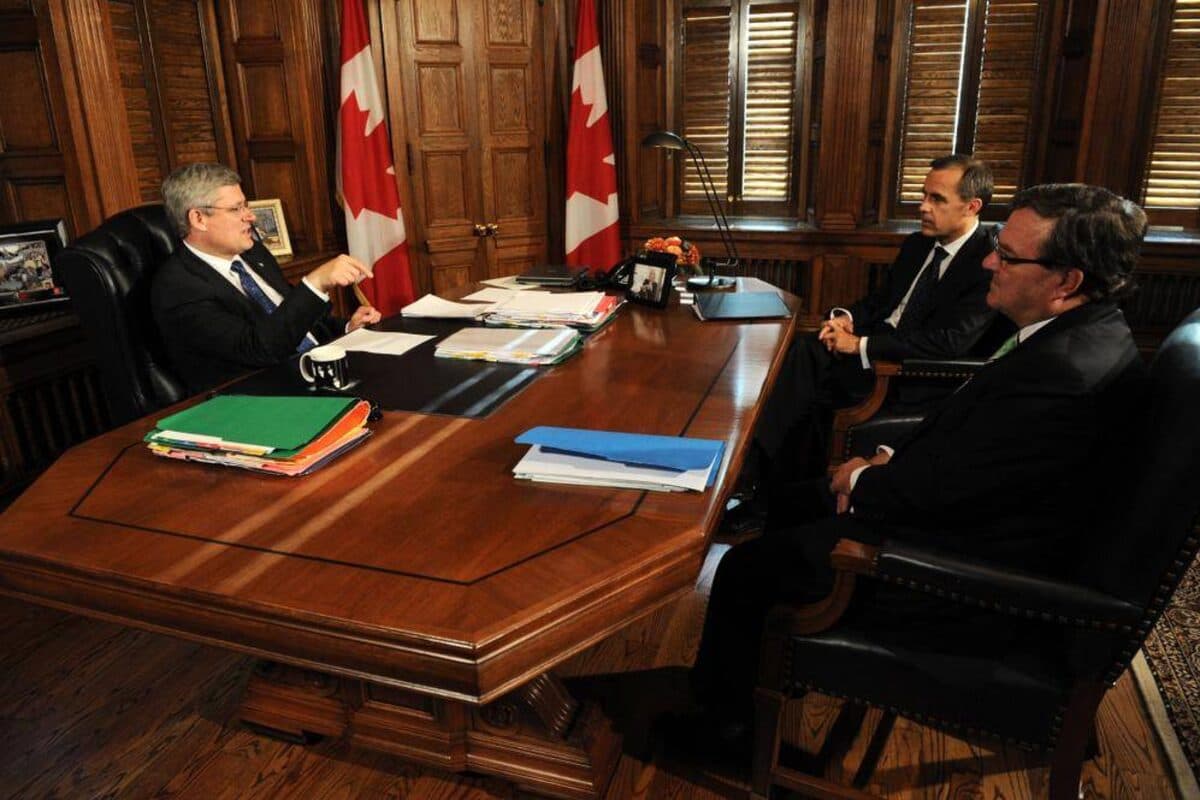
Canada and China have reached a preliminary trade arrangement that will allow nearly 50,000 Chinese-made electric vehicles to enter Canada at a sharply reduced tariff rate, in return for significant cuts by Beijing to tariffs on canola seed and temporary removal of levies on several food products. The agreement was announced after Prime Minister Mark Carney met Chinese President Xi Jinping in Beijing.
The deal marks a departure from the approach taken by the United States, which jointly imposed high levies on Chinese electric vehicles in 2024. Ottawa’s concession aims to end retaliatory tariffs that Beijing placed on Canadian agricultural and seafood exports, and to open opportunities for deeper commercial and investment ties.
Key terms of the agreement
- Tariff on Chinese electric vehicles lowered from 100 per cent to 6.1 per cent for the first 49,000 vehicles imported annually, with the quota growing by more than 6 per cent each year to about 70,000 within five years.
- A portion of the EV quota will be reserved for vehicles with an import price of $35,000 or less, and that reserved share will rise by 50 per cent by 2030.
- China will cut tariffs on canola seed to approximately 15 per cent by March 1, down from combined levels of about 84 per cent.
- Beijing committed to removing tariffs on canola meal, lobsters, crabs and peas by March 1, at least until the end of the year.
- China agreed to eliminate visa requirements for Canadians travelling to China, according to the Prime Minister.
- The two governments signed memorandums of understanding on energy co-operation and other economic initiatives, including language on natural uranium trade.
Carney framed the agreement as the first concrete outcome of a new strategic partnership with China. He said the arrangement reflects a pragmatic effort to diversify Canada's export markets and attract foreign investment, which his government argues is necessary as trade relations with the United States grow more protectionist.
In terms of the way that our relationship has progressed in recent months with China, it is more predictable, and you see results coming from that visibility.
Prime Minister Mark Carney
Context and caveats
The tariff concession is capped and phased. Ottawa says the initial quota was set to reflect import levels before the 2024 tariff, and that the low-tariff window will represent less than 3 per cent of the Canadian auto market. Prime Minister Carney described the measure as a means to increase access to more affordable electric vehicles for Canadian consumers while encouraging eventual investment by Chinese automakers in Canada.
Carney did not provide detailed guarantees on future Chinese investment in Canadian auto assembly. He said he expects the agreement to spur substantial investment in the sector within three years, and to create jobs while advancing climate goals.
Agriculture, seafood and energy implications
Canadian officials said the package is designed to restore market access for key agricultural and seafood exports that were hit by Beijing’s retaliatory levies. Canola, a major Canadian export, was singled out for immediate tariff relief on seed and near-term relief on meal. The energy memorandum of understanding signals willingness on both sides to explore deeper commercial ties, including uranium and petroleum exports.
What we heard loud and clear is China is looking for reliable trading partners, trading partners that don’t use energy for coercion.
Tim Hodgson, Minister of Energy and Natural Resources
Political and diplomatic reactions
The agreement breaks with the U.S. position on EV tariffs and could complicate Canada’s relations with Washington. Critics in the United States quickly expressed concern, while Canadian government officials emphasised the limited scope of the concession and the expected economic benefits for producers and consumers at home.
Carney acknowledged differences in political systems and said Canada will pursue limited, focused co-operation with China. He defended engagement despite Western criticism of China’s human rights record, saying Canada will take the world as it is and use targeted diplomacy rather than public denunciations.
Next steps and outlook
The arrangement is described as a preliminary joint arrangement by Chinese state media. Canadian officials said binding details will be finalised in the coming weeks, and they set a March 1 target for implementation of specific tariff reductions. Ottawa also outlined a goal of increasing exports to China by 50 per cent by 2030 as part of a broader strategy to diversify trade away from the United States.
Analysts will watch for the formal texts and implementing regulations, the reaction from Washington, and whether Chinese automakers follow through on investment in Canadian production. For exporters of canola and seafood, the near-term tariff relief would restore market access and reduce pressure on farm incomes.
The Carney government said it will continue talks with China while advancing multilateral co-operation and domestic safeguards. The outcome of those negotiations will determine how the new arrangement affects Canadian industry, consumers and geopolitical alignments over the coming years.
Canada-China relationstradeelectric vehiclescanolatariffs