Canada will not pay US$1-billion to join Trump’s proposed ‘Board of Peace,’ Champagne says
Finance Minister François-Philippe Champagne says Ottawa will not cover a reported US$1-billion membership fee for Donald Trump’s proposed Board of Peace, but a final decision on joining is pending.
Copy link
By Torontoer Staff
Canada will not pay a reported US$1-billion fee to take part in Donald Trump’s proposed “Board of Peace,” Finance Minister François-Philippe Champagne said Tuesday at the World Economic Forum in Davos. The federal government is still weighing whether to accept an invitation to join, and the prime minister will make a final decision once Ottawa has all the details.
Champagne said the size and scope of the board remain unclear, and Ottawa wants the board’s terms of reference and operating rules finalised before committing. He also declined to say whether reports that the board might include an invitation to Russian President Vladimir Putin would affect Canada’s view.
Ottawa’s current position
The finance minister emphasised that Canada will not be writing a US$1-billion cheque to join. He framed the matter as one of timing and clarity. "We’re still early days in what’s going to be the terms of reference of that board, how it’s going to operate," Champagne said. "The Prime Minister will have to make the final decision when all the facts are known and all the details have been hammered out."
We’re still early days in what’s going to be the terms of reference of that board, how it’s going to operate. The Prime Minister will have to make the final decision when all the facts are known and all the details have been hammered out.
François-Philippe Champagne
Ottawa’s caution follows a report that the board, which was introduced alongside the Trump administration’s plan for Gaza, would charge a membership fee of about US$1-billion. Champagne’s remarks indicate the government is resisting that reported price tag while officials review the proposal.
What the Board of Peace would do
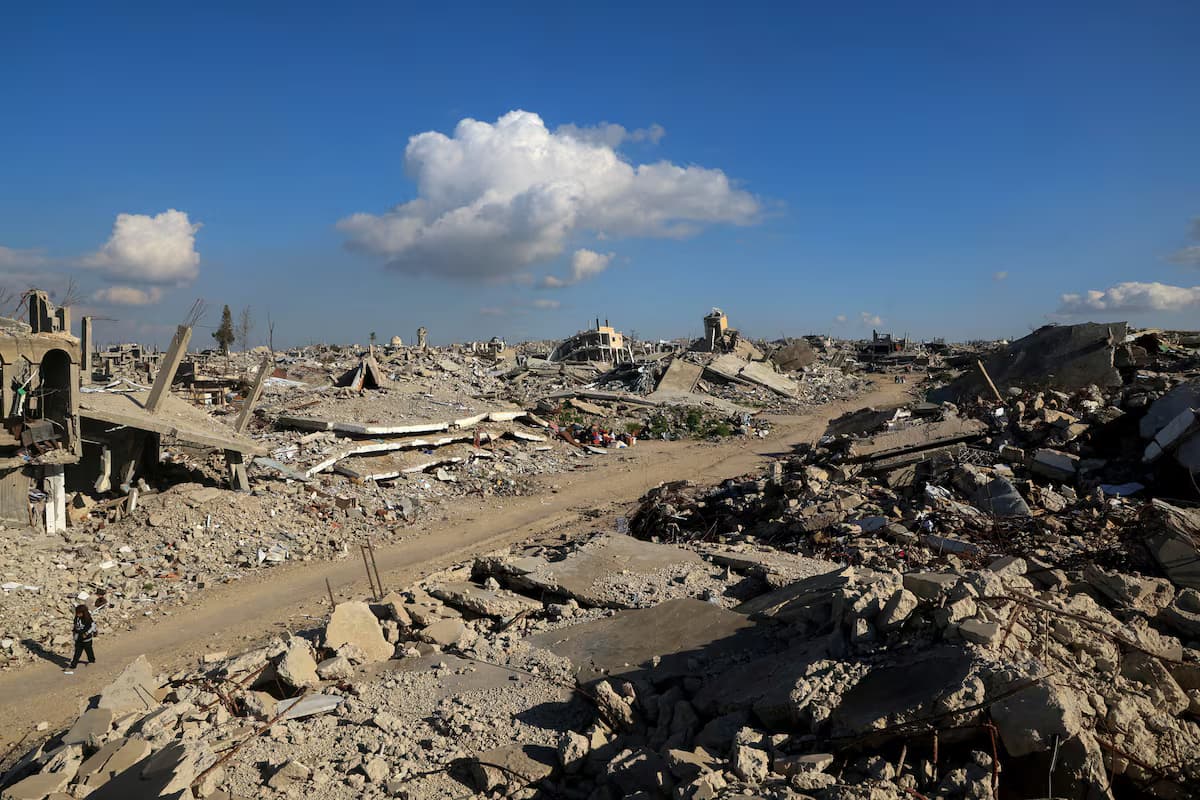
The board was presented as a body focused initially on the Gaza conflict. United Nations Security Council authorization reportedly covers the board through 2027 and assigns it a mandate limited to Gaza for now. But drafts of an invitation letter and charter suggest the body could later expand to address other conflicts worldwide.
- Start with a mandate focused on the Gaza conflict
- Potentially expand to other conflicts after an initial period
- Would be chaired by Donald Trump, according to draft documents
According to those drafts, Mr. Trump would chair the board for life. That provision, and the prospect of the body taking on global conflict resolution, have prompted concern among diplomats and analysts about accountability and the relationship between the board and the UN.
Concerns and international reaction
Observers have warned that an independent board with a lifetime chair could complicate existing international institutions. Critics say a private or semi-official body operating alongside or beyond the UN could undermine multilateral mechanisms for conflict resolution and accountability.
The reported invitation to Vladimir Putin to take part, and the proposed fee structure, have further complicated the proposal. Champagne would not comment on whether those elements would influence Canada’s decision, signalling that Ottawa is considering both political and financial implications.
What happens next
Canada has so far taken a cautious approach. The prime minister had said he agreed in principle to accept an invitation to sit on the board, but government officials are seeking clarity on governance, mandate and funding before making a binding commitment.
Officials in Davos and Ottawa will continue consultations with allies and with UN partners as details of the board are finalised. Any formal commitment will come only after Ottawa has reviewed the board’s charter and assessed its implications for Canada’s foreign policy priorities.
Reports on the board have drawn coverage from multiple outlets. Reuters contributed reporting on the draft charter and the alleged fee. Canadian officials are treating those reports as part of a larger due-diligence process rather than as final terms.
For now, Champagne’s statement closes the door on paying the reported US$1-billion membership fee, while leaving open the question of whether Canada will join under different terms. The government’s decision will depend on final wording of the board’s mandate, governance arrangements and costs.
The prime minister will make the final determination after Ottawa has the full set of facts and the board’s operating details are clear.
Canadaforeign policyGazaDonald TrumpDavos