Canadians’ boycott of US ski resorts is denting season-pass sales, industry says
Canadians have cut travel to US ski areas and abandoned season passes, forcing resorts to offer discounts, French messaging and other measures to recover bookings.
Copy link
By Torontoer Staff
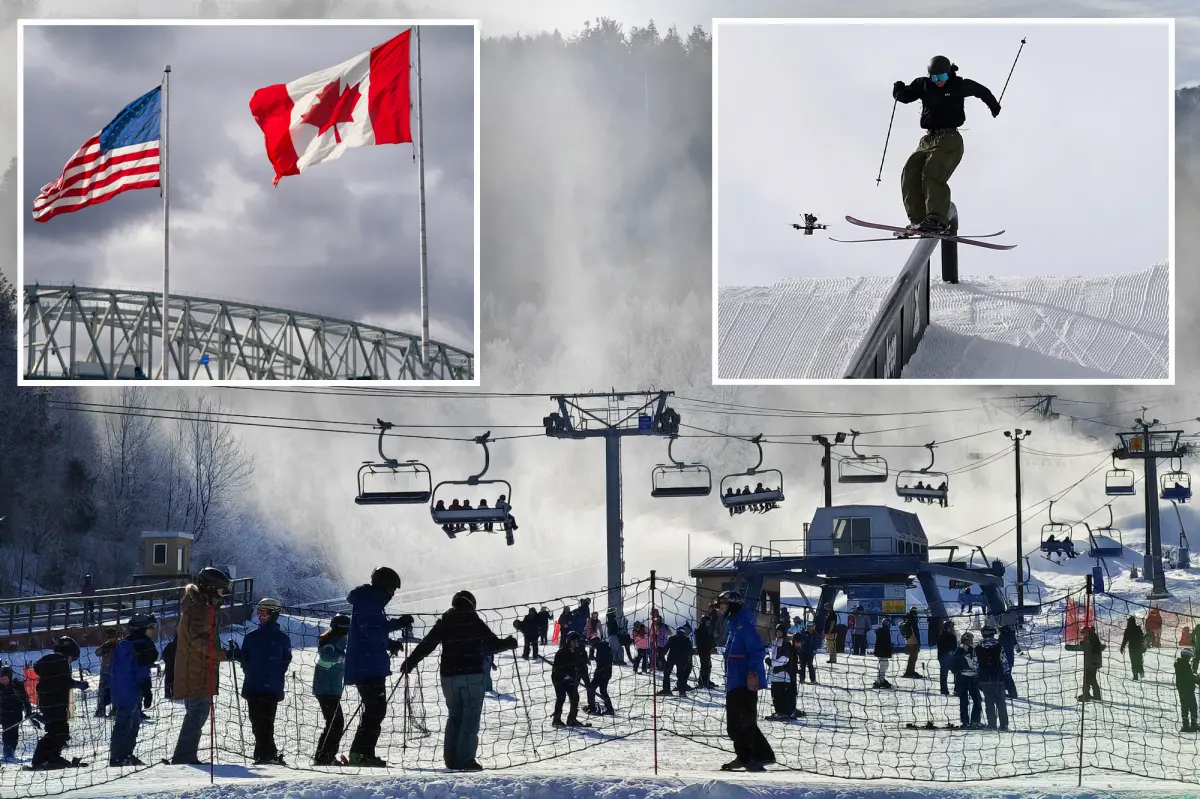
Canadian skiers and riders have sharply reduced travel to United States resorts this season, industry data and resort managers say, citing political tensions after US tariffs and inflammatory comments from President Trump. The drop has forced some American properties to scramble for Canadian customers and rework marketing and pricing.
Bloomberg and travel-industry trackers report a steep decline in Canadian bookings and a wave of season-pass non-renewals, with resorts from Maine to Montana feeling the impact.
How big the decline is
Data from Inntopia showed Canadian bookings for winter trips to US resorts were down about 41 percent at one point, compared with a roughly 5 percent drop among US customers. Inntopia also found Canadian bookings tend to fall within 48 hours of controversial statements from President Trump, relating to tariffs and comments about annexation and territory.
A late 2025 survey by Travel Weekly and Phocuswright found about 78 percent of Canadian travel agency owners and managers reported lower gross bookings to the United States compared with the previous year.
What resorts are reporting
Jay Peak in Vermont, which sits minutes south of the Quebec border and traditionally relies on Canadian guests for more than half its annual profits, reported a sharp fall in renewals for the 2025–26 season. Steve Wright, the resort’s president and general manager, told congressional forum attendees that renewals plunged about 35 percent at one point.
Many had tears and were choking up over the fact that they just couldn’t, in good conscience, come to the States.
Steve Wright, Jay Peak president and general manager
Wright said he personally called about 100 season-pass holders to discuss why they did not renew. He later told Bloomberg that bookings from Canada had improved, and were down roughly 10 to 15 percent, aided in part by an unusually heavy early snowfall at the resort.
Resorts shift tactics to win back Canadians
Faced with falling demand, many US resorts have adjusted offers and messaging. Actions include targeted discounts, translating marketing into French, and temporarily accepting the Canadian dollar at parity with the US dollar. Front-line staff at some properties have also been coached to address concerns from Canadian guests directly.
Canadians are affronted by what feels like a betrayal by a longtime friend.
Tom Foley, director of business intelligence, Inntopia
Resort operators say those measures can blunt short-term revenue losses, but they do not eliminate the reputational and political drivers shaping Canadian travel decisions.
Local economic consequences
Tourism accounts for a larger share of some state economies than in the United States overall. Bloomberg reported tourism represents about 9 percent of Vermont’s gross domestic product, compared with roughly 3 percent nationally, and local officials estimated the fall in Canadian visitors cost the state about $75 million last year.
Cities and towns that normally see winter traffic from Canadian day-trippers and holidaymakers have sought to reassure cross-border visitors. Burlington’s city council temporarily renamed a main shopping area “Canada Street” as a goodwill gesture during the season.
How Canadians are deciding
Some Canadian skiers cited political objections when choosing to stay home or ski domestically. Eimar O’Leary-Barrett, a Montreal data analyst, said she felt conflicted about renewing a Jay Peak pass but ultimately did so because of the resort’s local politics.
I felt kind of weirdly guilty
Eimar O’Leary-Barrett, Montreal skier
Others have redirected trips to Canadian resorts, contributing to increased domestic winter travel. That shift has softened some losses for US properties, but industry analysts warn that trust damaged by tariffs and repeated inflammatory remarks may be slow to repair.
A level of trust has been broken that is going to be incredibly difficult, and may be generational, to recover.
Tom Foley, Inntopia
What to watch for
Resorts and travel businesses say the full effect of the boycott will only be clear after March school breaks in Quebec and Ontario, when many Canadians typically travel to US mountains. Snow conditions, ongoing political rhetoric and any further tariff moves will shape whether Canadian bookings rebound, stabilise, or continue to run below historical levels.
For the season so far, some properties have recovered ground thanks to weather and late renewals. Others expect a longer road to restoration of Canadian demand if political tensions persist.
Resort operators and local officials are now balancing short-term price and messaging tactics with longer-term efforts to rebuild cross-border trust and revenue.
travelskiingCanada-US relationstourismVermont