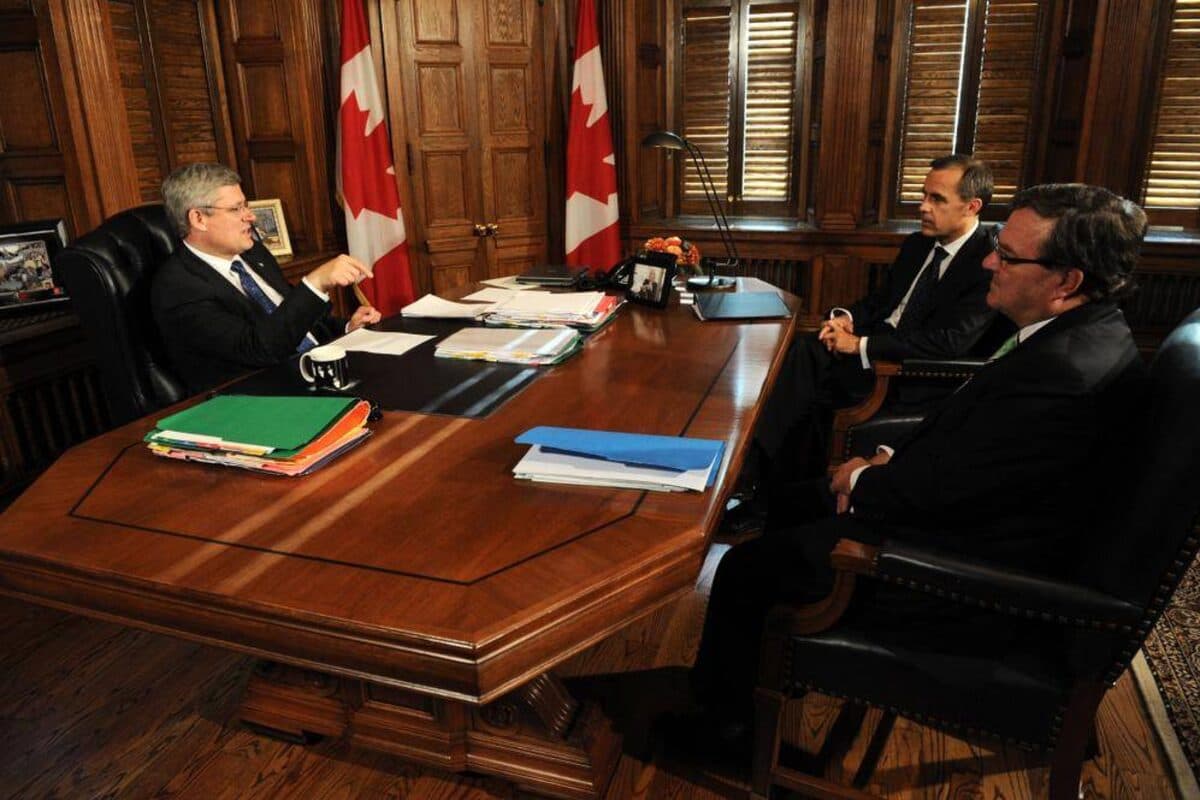
On Jan. 13, Prime Minister Mark Carney began a diplomatic and trade mission to Beijing, followed by planned visits to Qatar and the World Economic Forum in Davos. The trip aims to attract foreign investment and broaden export markets as Ottawa seeks to reduce overreliance on the United States.
Carney is pressing for deals that would expand Canadian energy and agricultural exports to Asia, while preserving Canada’s privileged access to the American market. The effort comes amid a reshaping of North American trade relations under the administration in Washington.
Goals of the Beijing visit
Officials travelling with Carney have emphasised two priorities: securing investment for a proposed pipeline from Alberta’s oil sands to the west coast, and finding buyers for higher volumes of Canadian crude. Delegates also include Saskatchewan premier Scott Moe, signalling Ottawa wants to address concerns from major agricultural provinces affected by recent trade measures.
Canada hopes Chinese state-linked buyers will provide reliable, long-term demand for heavy crude that can substitute for Venezuelan supplies. Canadian officials argue that a shift in Venezuelan oil flows, which are now under greater control by the United States, has created an opening for new suppliers.
China is looking ideally for reliable sources. Venezuela is becoming less reliable and less cheap.
Canadian official
Strained relations with China
Bilateral relations between Ottawa and Beijing have been tense in recent years. Canadian security agencies have raised concerns about interference by Chinese intelligence services. Trade measures have added friction: Ottawa and Washington applied 100 percent tariffs on Chinese electric vehicles, and Beijing responded with levies on Canadian canola and seafood exports.
Carney arrives after a period of cautious thawing. Officials say the presence of provincial leaders in the delegation reflects a practical focus on reopening market access for Canadian producers, and on rebuilding lines of communication for trade.
Hydrocarbons as the biggest prize
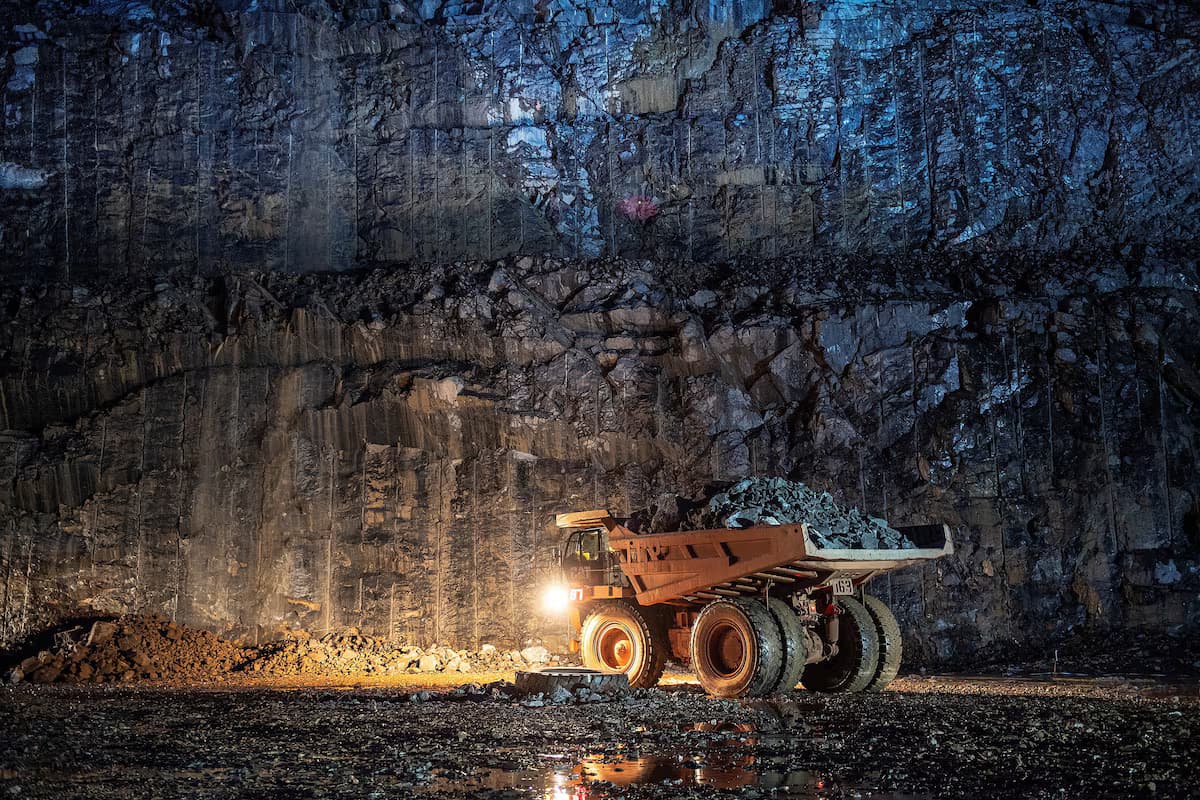
Energy is the central commercial opportunity on the trip. Data from Kpler indicate that roughly 40 percent of Canada’s seaborne crude exports went to China in 2025. Analysts and officials say that proportion could rise if a west‑coast export pipeline is financed and built, allowing Alberta heavy crude to reach Asian refineries.
Ottawa is seeking investment in that infrastructure. The government and private proponents argue the pipeline would give Asian buyers direct access to Canadian crude, supporting prices and market diversification for Alberta producers.
Washington’s response and geopolitical limits
Any expansion of Canadian energy ties with China will be watched closely in Washington. The U.S. National Security Strategy makes clear that American policy prioritises its role in the western hemisphere and seeks to limit the influence of rival powers in the region. That stance complicates Ottawa’s ability to pursue an independent China policy without U.S. scrutiny.
The National Security Strategy crystallises how difficult it will be for Canada to pursue an independent foreign policy with China. Everything Canada does will be scrutinised in Washington.
Vina Nadjibulla, Asia‑Pacific Foundation
Former diplomat and trade negotiator Ian Burney warned Ottawa to be cautious about moves that could provoke a political reaction in the United States. He noted Washington is actively pursuing its own trade engagements with Beijing.
He made no bones about making a preferential deal with China and leaving countries like Canada to twist.
Ian Burney
Trade patterns shifting already
Statistics Canada data show a clear shift in export destinations. In October, 67 percent of Canadian exports went to the United States, down from a pre‑tariff peak of about 76 percent. That figure is the lowest share of exports to the U.S. since 1997, excluding the pandemic period. Exports to the rest of the world rose 15.6 percent in the same data release, a record increase, driven in part by larger oil shipments to Asia.
Business groups say diversification should not come at the expense of a strong regional partnership with the United States. Goldy Hyder, chief executive of Canada’s main business lobby, urged Ottawa to pursue both objectives.
Canada’s efforts to broaden its global customer base should complement, not undermine, the project of building a strong regional energy partnership within North America. The United States will remain Canada’s largest oil buyer.
Goldy Hyder, Business Council of Canada
What Ottawa must balance
Carney’s mission reflects a strategic recalculation by Ottawa. Officials want to reduce concentration risk by finding reliable buyers and investors beyond the United States, and to secure infrastructure that would open new markets for Canadian producers. At the same time, Canada must manage political sensitivities in Washington and maintain access to the U.S. market that still accounts for the majority of exports.
The scale of the challenge will become clearer as Carney concludes talks in Beijing and moves on to Qatar and Davos. Outcomes will depend on progress in securing project financing, market commitments from Chinese buyers, and how Washington interprets Canadian moves in the region.
For now, Ottawa is pursuing diversification and deeper energy ties with Asia while signalling it will not abandon the United States as Canada’s primary trading partner.