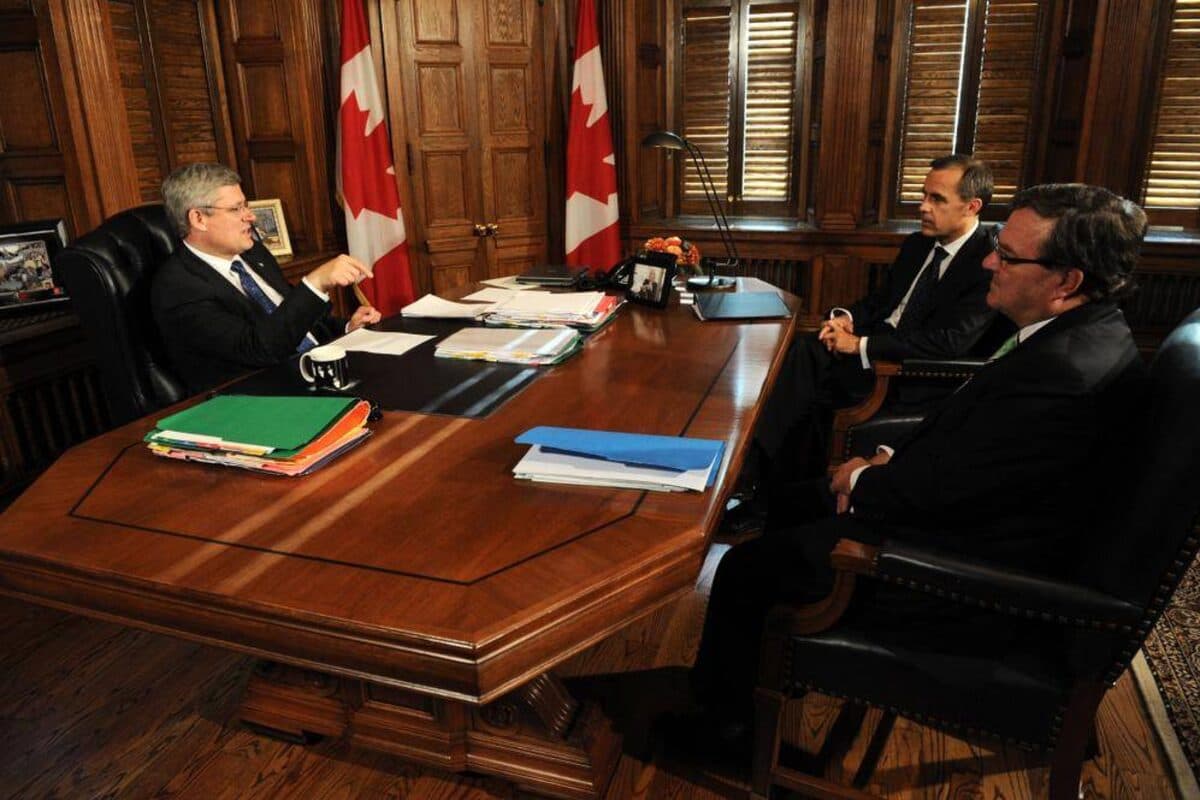
Carney’s China deal signals reduced confidence in Canada’s auto sector
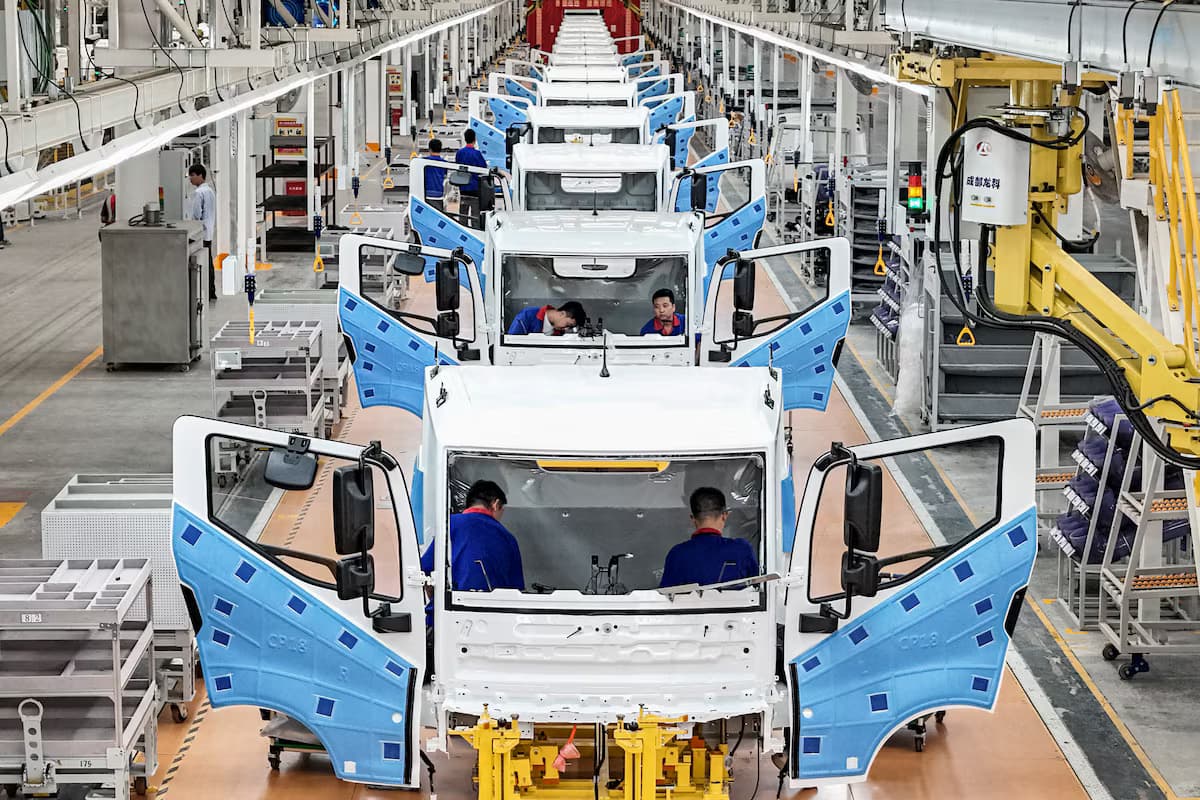
The agreement allows 49,000 Chinese EVs into Canada at low tariffs while cutting Chinese duties on canola and other commodities, a move that hints the federal government is stepping back from the cross-border auto model.
Copy link
By Torontoer Staff
Prime Minister Mark Carney’s trade deal with China opens part of the Canadian electric-vehicle market to Chinese imports, while securing lower Chinese tariffs on Canadian agricultural exports. The package includes a cap permitting 49,000 Chinese vehicles a year into Canada at low duties, replacing the 100 per cent tariff Ottawa imposed in October 2024.
That concession is being read by industry and provincial officials as a signal that the federal government is scaling back its commitment to the postwar, cross-border auto model that has anchored Ontario’s manufacturing base. Instead, Ottawa appears to be hunting for new investment from Asian automakers that could build primarily for the Canadian market.
What the deal does
The agreement trades expanded access for Canadian commodities, notably canola, peas and seafood. For autos, it lifts the practical ban on Chinese EVs by permitting up to 49,000 imports annually at low tariffs. In 2023 Canada imported about that many Chinese-made passenger vehicles, but Statistics Canada shows no calendar year exceeded 41,000 Chinese EV imports before Ottawa imposed the high tariff in 2024.
- Canadian agri-food exporters get lower Chinese tariffs on canola, peas and seafood.
- Canadian tariffs on Chinese EVs are relaxed, with a 49,000-vehicle annual cap.
- The move replaces the 100 per cent tariff imposed in October 2024 to block low-cost imports.
Why industry stakeholders are alarmed
Ontario’s auto sector was built on integrated North American supply chains. That model depended on plants in Ontario assembling vehicles destined for both Canada and the United States. Allowing Chinese EVs easier access to the Canadian market weakens the argument that plants in Canada must be maintained to supply a protected domestic market.
Ontario Premier Doug Ford criticised the deal, saying China will "never, ever" open a plant in Canada because the country is too small a market and U.S. rules would block those cars from American showrooms. Flavio Volpe, president of the Automotive Parts Manufacturers’ Association, said the agreement was not good for the industry but acknowledged Ottawa must weigh other priorities.
"He’s not as bullish on autos as his predecessor, that’s for sure."
Flavio Volpe, Automotive Parts Manufacturers’ Association
The broader context
Ottawa imposed steep tariffs in 2024 to guard against low-cost Chinese EVs, aligning with U.S. concerns about dumping and protecting North American manufacturing jobs. Canada also offered large subsidies to attract EV battery and component manufacturing. China’s industry, built with state-directed investment and subsidies, has excess capacity and has pushed global prices down to gain market share.
Carney framed the 49,000-vehicle cap as equivalent to 2023 volumes, downplaying the impact. But earlier imports were dominated by pricier Shanghai-made Teslas. The new arrangement opens Canada to lower-cost models from BYD, Geely, Chery and others. Those brands are likely to use Canadian dealerships and could supplement supply with vehicles made in third countries such as Brazil.
There is also a geopolitical wrinkle. Beijing has a history of using tariffs and trade measures for leverage. The access negotiated for Canadian exporters could therefore prove episodic if political tensions rise again.
What this means for consumers and jobs
For consumers, the immediate effect could be greater choice and downward pressure on EV prices, once Chinese brands establish local distribution. That may make EV ownership more affordable in Canada over time, though Carney and others have noted that widespread availability of cheap Chinese EVs is not imminent.
For workers and suppliers, the shift raises uncertainty. Ottawa has already set aside funds to help the auto sector adapt. Last year the federal government committed $5 billion to a strategic response fund aimed in part at assisting the industry to retool and attract new investment.
What comes next
The federal government will now try to persuade foreign manufacturers to invest in Canadian plants, a tougher sell if those factories would produce mainly for a small domestic market. Provinces such as Ontario have pushed for stronger measures to preserve integrated North American production.
If Chinese automakers decide to build in Canada, it would represent a major shift for the sector. If they do not, Ottawa’s move will look like a concession of market share in exchange for gains in agri-food exports.
For an industry built on cross-border scale and predictability, the deal is not an endorsement of the status quo. It is a recalibration of priorities that places trade-offs between manufacturing jobs and access for Canadian exporters at the centre of policy.
autostradeChinaMark CarneyEVs