Carney says he has agreed in principle to join Trump’s Board of Peace, but details and funding remain unresolved
Prime Minister Mark Carney agreed in principle to join the U.S. Board of Peace to help rebuild Gaza, but Canada wants clear terms, financing details and unimpeded aid flows.
Copy link
By Torontoer Staff
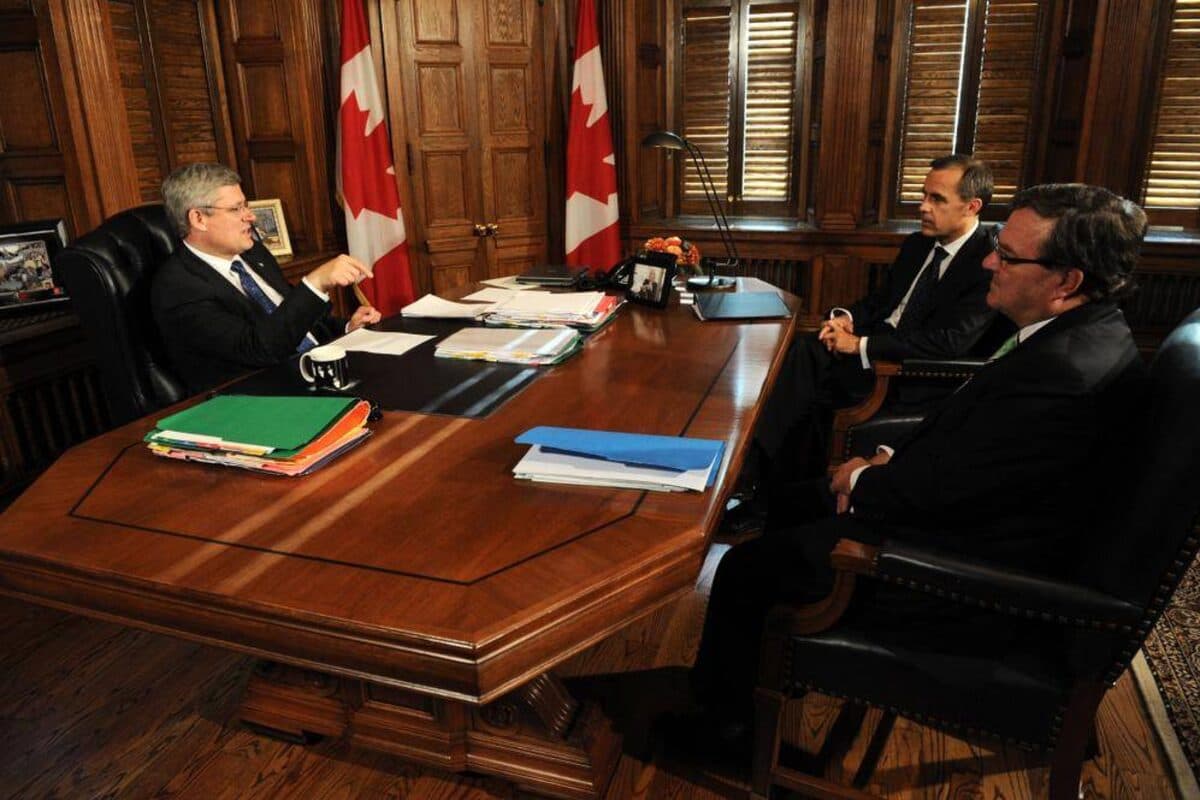
Prime Minister Mark Carney said he has agreed in principle to join U.S. President Donald Trump’s new Board of Peace initiative to support reconstruction in Gaza, but he added that major details still need to be settled, including financing and guarantees for humanitarian access.
Speaking in Qatar during a trade and investment promotion trip, Carney said Trump approached him several weeks ago and Canada accepted the idea on the condition that the board’s structure and funding be clarified. He said unrestricted aid flows to Gaza are a precondition for Canadian participation.
What Carney said
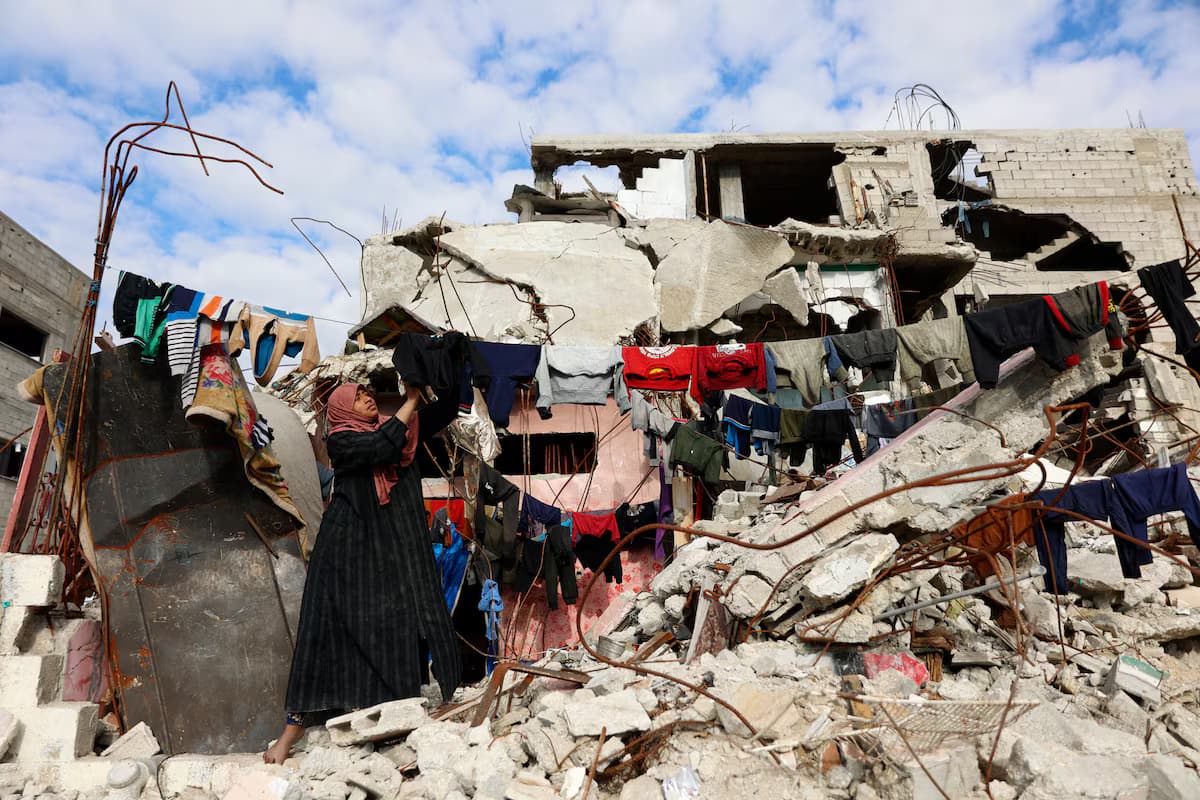
Carney framed the decision as a way for Canada to play a role in rebuilding Gaza after the Israel-Hamas war. He described the humanitarian situation in Gaza as ongoing and said Canada will “make every effort possible to address the situation,” with the ultimate aim of moving toward peace and a two-state solution.
We still do not have unimpeded aid flows, humanitarian aid flows, to the people of Gaza. That is a precondition for moving forward on this.
Prime Minister Mark Carney
On the specifics of the board, Carney said the government has not yet received full details about how it will operate or how financing would work, and that those issues will be worked through in the coming days. A senior government source told reporters Canada had not been asked to make a US$1-billion payment to the board.
What the Board of Peace would look like
The Board of Peace was introduced alongside Mr. Trump’s peace plan for Gaza. A draft charter and invitation letter circulated to potential members describe the board as beginning with Gaza and then expanding to address other conflicts. The draft also states that Mr. Trump would chair the board for life.
The Security Council authorised the board through 2027 with a mandate focused solely on the Gaza conflict. The invitation documents, however, include language about creating a more nimble international peace-building body, language that has alarmed some diplomats.
Funding and membership questions
Media reports have said Mr. Trump suggested permanent seats would require payments of US$1-billion per country. Carney did not confirm any fee and the government source said no such payment request had been received by Canada. Carney emphasised Canada wants aid money to have maximum impact and must see clear mechanisms for delivering assistance.
- About 60 countries have been invited, diplomats say
- Hungary’s Viktor Orban has accepted, according to Hungarian officials
- Vietnam’s Communist Party chief To Lam has accepted, the Vietnamese foreign ministry said
- India has received an invitation, according to a senior official
- Jordan, Greece, Cyprus and Pakistan are among other countries reported to have been invited
The U.S. is expected to announce an official list of members, likely around the World Economic Forum in Davos. The White House has already named a separate Palestinian committee to manage Gaza’s day-to-day affairs and an international board of experts to supervise reconstruction. Named figures include Marco Rubio, Jared Kushner and U.S. special envoy Steve Witkoff.
Concerns from the international community
European governments and some diplomats have warned the proposed charter and the board’s broader ambitions could undermine the United Nations, which Mr. Trump has criticised. Critics have flagged the lifetime chair provision and the plan to expand beyond Gaza as potential sources of tension with established multilateral processes.
Supporters argue a new body could move more quickly than larger institutions, while opponents say bypassing the UN risks duplicating or weakening long-standing peace-building frameworks. Carney’s emphasis on humanitarian access points to one area where Canada is seeking clarity before taking a formal role.
Next steps for Canada
Canadian officials say they will continue to engage with partners to determine the board’s mandate, governance and financing. Ottawa wants guarantees for unimpeded humanitarian access and clear accountability for how reconstruction funds would be spent.
Carney’s statement signals a willingness to participate conditionally, but it leaves open many questions about Canada’s formal commitment. The government will likely weigh diplomatic, financial and operational details before confirming a seat.
For now, Canada’s response is cautious: a principle-based agreement tied to concrete rules for aid delivery and oversight, and a promise to press for clarity on funding and structure in the coming days.
Mark CarneyDonald TrumpGazaBoard of Peaceforeign policyinternational aid