Carney, Trudeau and Katy Perry in Davos as Canadian auto and steel jobs fall
While leaders attended the World Economic Forum in Davos, thousands of Canadian auto and steel jobs were cut or idled. Unifor calls on Ottawa for immediate action.
Carney, Trudeau and Katy Perry in Davos as Canadian auto and steel jobs fall
Copy link
By Torontoer Staff
Prime Minister Mark Carney, former prime minister Justin Trudeau and singer Katy Perry attended the World Economic Forum in Davos on Jan. 20, 2026, as major job losses hit Canada’s auto and steel sectors. Unions and local leaders say the timing highlights a disconnect between international diplomacy and urgent domestic economic challenges.
Union officials and community representatives say plant shutdowns and program cancellations this month will remove thousands of jobs from local economies across Oshawa, Ingersoll, Brampton and Sault Ste. Marie.
Job cuts and idled plants
Unifor and local officials reported the loss of the third Chevy Silverado shift in Oshawa, putting more than 1,000 jobs and related supply-chain roles at risk when the shift ends on Jan. 30. Industry sources put the total number of jobs disappearing in the car and steel sectors this month at roughly 5,000.
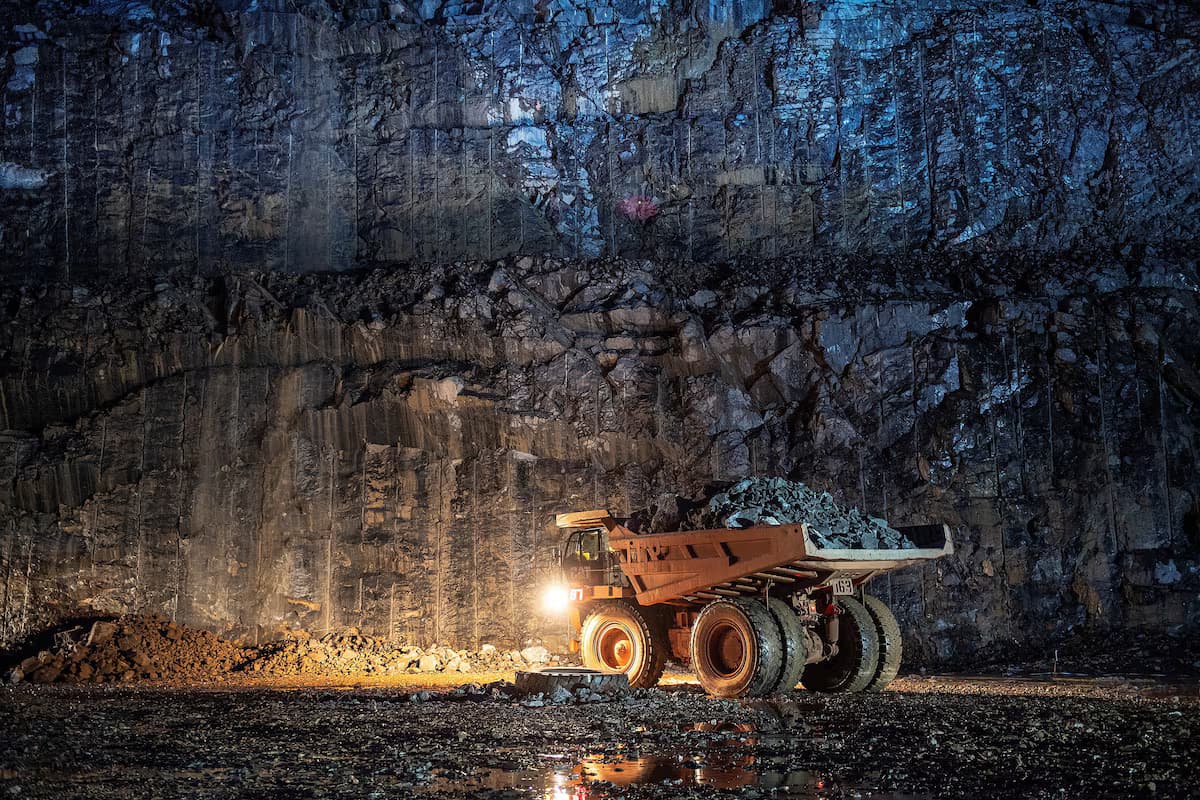
Algoma Steel has announced plans that will affect about 1,000 positions. Meanwhile, two Canadian auto plants remain idled: GM CAMI Assembly in Ingersoll and the Stellantis plant in Brampton, where no vehicle programs are currently allocated. Unifor says approximately 4,000 members are without work across those sites.
This is happening. We will lose more than 1,000 jobs from the plant and the local supply chain. All of those jobs are going to Fort Wayne, Indiana.
Jeff Gray, Unifor Local 222 president
Messages from Davos
At the World Economic Forum, Carney spoke about adapting to global change and building a new economic order. "We actively take on the world as it is, not wait for the world as we wish it to be," he told delegates. Trudeau addressed sovereignty and identity, saying, "Never underestimate the resolve, the motivation and strength of people standing up to defend their sovereignty, their identity, their very existence."
Carney also met with French president Emmanuel Macron and encouraged business investment into Canada. Trudeau and Katy Perry attended public events and photo opportunities during the forum.
Union response and demands
Unifor leaders criticised the federal government for what they describe as a lack of immediate, concrete measures to keep plants operating and protect domestic supply chains. The union says Ottawa should use every available policy tool to stabilise the auto sector and hold automakers to investment commitments.
It is imperative that the federal government focus their efforts on finding an immediate resolve to the challenges we face. The first priority must be getting these plants back to work and stabilizing the auto sector.
Unifor, in a statement
Restore production programs and secure near-term commitments from automakers
Defend domestic supply chains through procurement and policy measures
Use trade and investment tools to encourage manufacturing investment in Canada
Unifor president Lana Payne said discussions with executives and reassurances from the prime minister have not yet produced confirmed new product programs or delivered jobs.
Concerns about Chinese imports and market access
Union officials also raised concerns about the entry of Chinese-made electric vehicles into the Canadian market. They warned that low-cost imports and subsidised supply chains could undermine domestic production if investment does not follow.
We won’t have a competitive auto industry, or the jobs it supports, if we don’t build vehicles here in Canada. Chinese auto companies aren’t building in Canada, despite vague promises of investment years down the road.
Lana Payne, Unifor president
Doug Ford has publicly called some new electric models "spy cars," language that underlines political sensitivity about trade and technology ties. Local union leaders say any deals with countries that do not prioritise Canadian manufacturing risk long-term harm to the domestic industry.
What officials say and what comes next
Federal officials at Davos emphasised investment and adapting to global shifts. Back in Canada, union leaders want immediate, measurable steps to protect jobs, from securing product allocations to enforcing investment commitments.
Jeff Gray said international visits and discussions have not produced tangible results for workers on the factory floor. "Absolutely nothing," he said when asked whether meetings in Davos had kept plants open.
Unifor has urged the government to prioritise negotiations with automakers and to explore trade and industrial policy tools to stabilise the sector while longer-term strategies are developed.
The coming weeks will test whether Ottawa can translate diplomatic engagement and investment talk into concrete protections and new work for Canada’s auto and steel communities.