Carney urges trade diversification as premiers meet in Ottawa
Prime Minister Mark Carney has told premiers Canada will pursue new trade ties with India, ASEAN and MERCOSUR as Ottawa confronts U.S. tariff threats and domestic economic strains.
Copy link
By Torontoer Staff
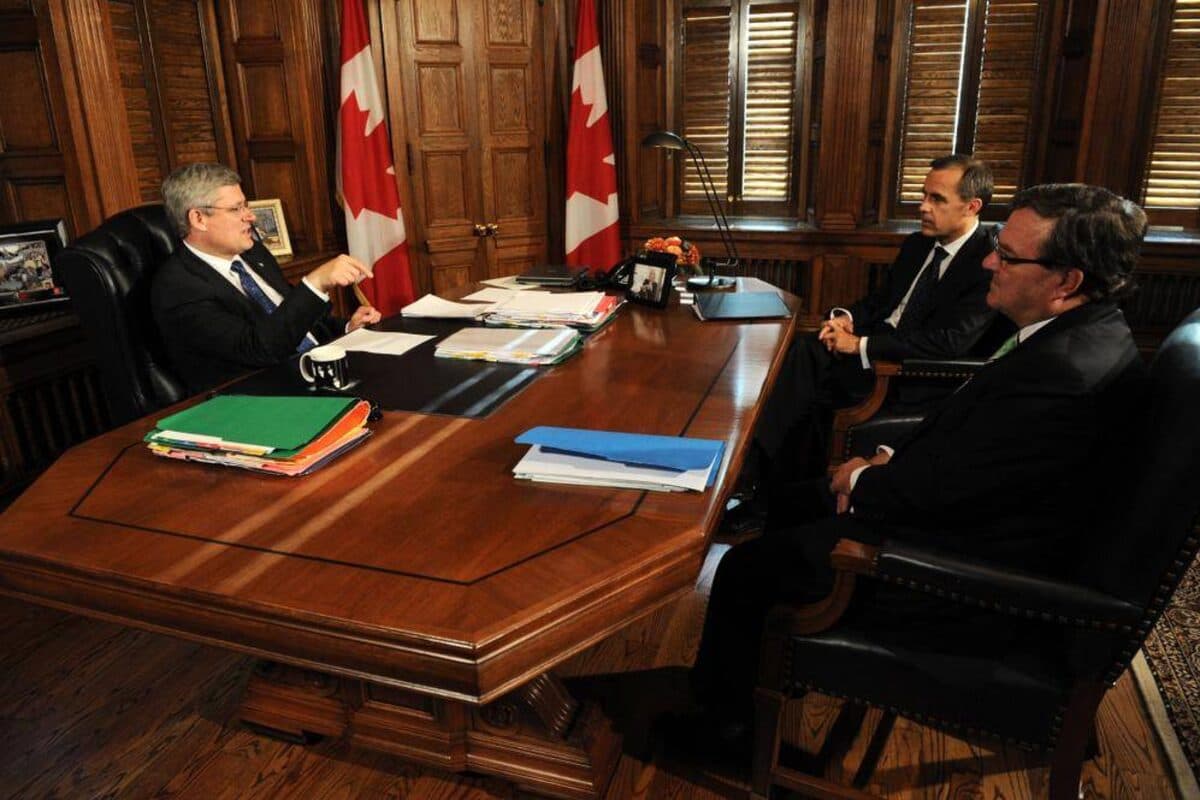
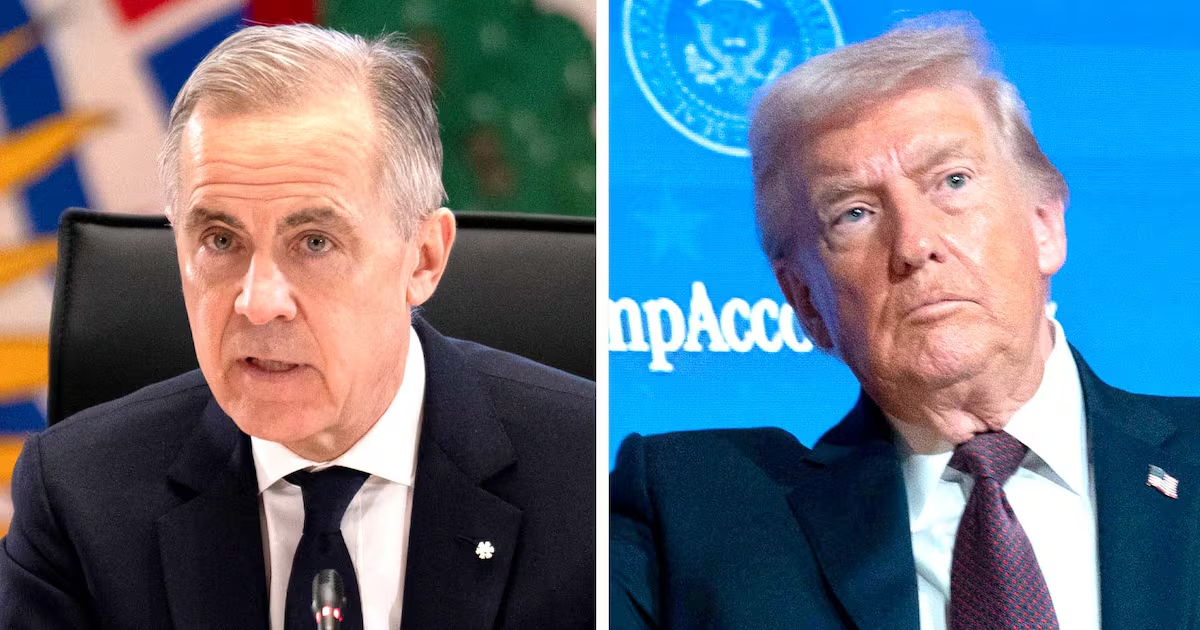
Prime Minister Mark Carney convened provincial premiers in Ottawa to discuss Canada’s economic relationship with the United States and plans to broaden international trade ties. Carney said recent rhetoric from U.S. President Donald Trump appears to be a prelude to trade negotiations and announced Canada will seek new commercial links beyond its southern neighbour.
Carney told premiers he will pursue expanded trade with India, the Association of Southeast Asian Nations, and the MERCOSUR trading bloc. He is scheduled to address reporters at 2:15 p.m. ET.
Carney names priority markets
In an address to premiers, Carney framed diversification as a strategic response to uncertainty in U.S. trade policy. He identified India, ASEAN member states and MERCOSUR economies as priority markets where Ottawa will intensify trade outreach, negotiations and business promotion efforts.
- India
- ASEAN members: Cambodia, Indonesia, Malaysia, Myanmar, the Philippines, Singapore, Thailand, Vietnam, Timor-Leste, Brunei Darussalam, Lao People’s Democratic Republic
- MERCOSUR main parties: Argentina, Bolivia, Brazil, Paraguay, Uruguay; Venezuela’s rights are suspended; associate states include Chile, Colombia, Ecuador, Guyana, Panamá, Perú and Suriname
Carney’s announcement signals a shift in emphasis toward markets with long-term growth potential. Officials say work could include trade missions, negotiations on market access and measures to support exporters adapting to tariff risk.
Premiers react: separatism and foreign outreach
B.C. Premier David Eby sharply criticised a Financial Times report that individuals linked to the Alberta separatist movement met with U.S. officials, calling such outreach unacceptable. He spoke about the matter before the premiers’ meeting with Carney.
It’s completely inappropriate for a group to ask a foreign power for help in breaking up Canada. That crosses a line, it is treasonous.
David Eby, Premier of British Columbia
The report followed remarks by U.S. Treasury Secretary Scott Bessent, who recently described Alberta as a “natural partner” for the United States because of its resource wealth and pipeline plans. The Alberta independence movement is collecting signatures to initiate a referendum on separation.
Manufacturing and job losses amid shifting supply chains
Union leaders and industry reports underscored immediate domestic impacts as companies respond to trade pressure. Unifor Local 222 said General Motors will cut its third shift at the Oshawa assembly plant, affecting roughly 500 direct employees and more than 500 workers in the supplier network.
Despite the trade war, GM posted $10 billion in profits in North America even after losing billions in tariffs. Autoworkers are in the middle of a deepening trade war.
Jeff Gray, president, Unifor Local 222
Statistics Canada reports payroll employment in manufacturing has declined since January 2025. The department logged a 0.3 per cent drop in manufacturing employment in November, with notable decreases in transportation equipment, primary metals and fabricated metal product sectors. Job vacancies also fell sharply in British Columbia, Ontario and Quebec.
Tariffs, construction and public health risks
Tariff threats continue to ripple through other parts of the economy. The Canadian Construction Association reported a 1.3 per cent quarter-over-quarter gain in construction GDP in the third quarter, but warned higher input costs and supply-chain disruptions are ongoing risks.
Researchers also warn trade policy can affect health outcomes by raising costs for medicines and food and by undermining job security. A new analysis in the British Medical Journal argued that trade measures are an underappreciated driver of public health.
Trade shapes the price and availability of food, the cost of medicines. It shapes how secure people feel in their jobs.
Courtney McNamara, Newcastle University
Opinion pieces from Washington reflect skepticism about the durability of tariff threats. One analyst noted most goods entering the U.S. from Canada remain protected under CUSMA, and observers expect a pending U.S. Supreme Court ruling could limit presidential tariff authority.
What to watch next
Premiers left the Council of the Federation meeting with a clearer sense of Ottawa’s trade priorities, but differences remain on how to respond to external pressure and internal political tensions. The immediate indicators to follow are Carney’s public remarks at 2:15 p.m. ET, federal trade initiatives targeting India, ASEAN and MERCOSUR, and labour developments in manufacturing and construction.
Longer term, Ottawa will need to balance export diversification, domestic economic resilience and public confidence in institutions as trade policy and domestic politics evolve.
Mark CarneytradetariffspremiersmanufacturingAlberta separatism