Chery moves to enter Canada’s EV market after tariff deal with China
Chery, China’s third-largest automaker, is hiring in Canada after a tariff deal opened a limited quota for Chinese EVs. The move could bring lower prices and fiercer competition.
Copy link
By Torontoer Staff
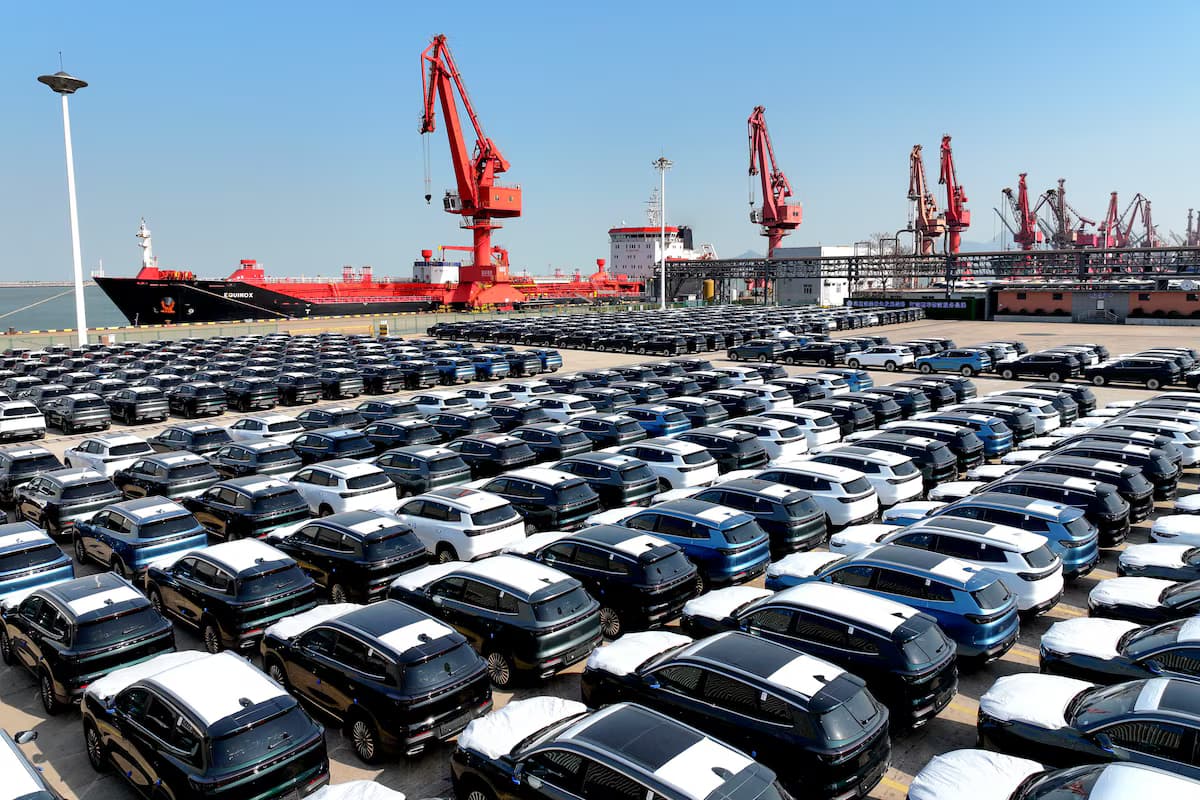
Chery Automobile is preparing to sell electric vehicles in Canada following a recent deal that will sharply reduce tariffs on a capped number of Chinese-made EVs. Recruiters have been contacting Canadian auto-industry professionals about roles to build a Canadian sales operation, signalling Chery may be positioning itself to become the first Chinese manufacturer to offer mainstream passenger cars here.
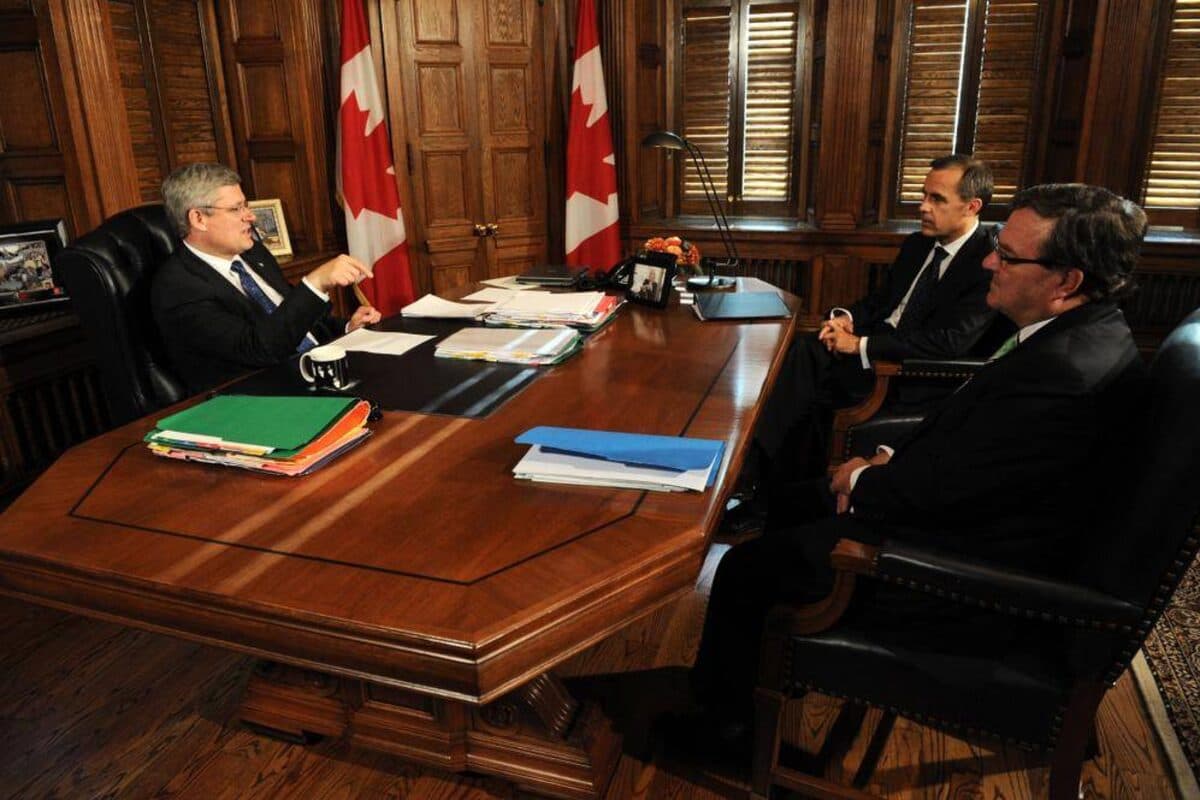
The company’s apparent push comes after Prime Minister Mark Carney’s visit to China and an agreement to lower tariffs on a limited volume of Chinese EVs, a move that modifies Canada’s previous 100 per cent tariff. Chery did not respond to requests for comment.
Recruiting and market plans
Several industry insiders say they were approached on LinkedIn by recruiters claiming to represent Chery. Messages reviewed by Torontoer named Chery subbrands Omoda and Jaecoo and described hiring across the roles needed to start a sales and service operation. The recruiters said Chery plans to open an office in the Toronto area and views Canada as a long-term market.
Chery already sells in dozens of markets, including Britain, Italy, Australia and Mexico, and its parent group reported being China’s top vehicle exporter as of mid-2024. The company sold about 2.6 million vehicles in 2025, placing it behind BYD and Geely but well inside global rankings.
New tariff terms and the quota
On Jan. 16 the government said tariffs on Chinese electric cars will drop to 6.1 per cent for a capped volume of 49,000 vehicles in the first year, increasing to 70,000 after five years. The Prime Minister’s Office said, "It is expected that within three years, this agreement will drive considerable new Chinese joint-venture investment in Canada with trusted partners to protect and create new auto manufacturing careers for Canadian workers and ensure a robust build-out of Canada’s EV supply chain."
Canada imposed a 100 per cent tariff on Chinese EVs in late 2024 alongside the United States, citing concerns about unfair competition and standards. The new arrangement limits the number of imports, which could affect how attractive Canada is for new entrants and whether existing imports from China, such as some Volvo and Polestar models, will count against the quota.
Industry reaction and political pushback
The deal has provoked criticism from provincial and industry figures who say it risks undermining domestic producers. Ontario Premier Doug Ford urged Canadian consumers to boycott Chinese-made EVs. Industry players want clarity on how the quota will be allocated and whether commitments were secured for local investment.
This guy Carney just goes and does a deal with no explanations, no communication, not telling anybody, including our own Premier.
Shahin Alizadeh, CEO, Downtown Auto Group
Analysts say the short-term beneficiaries of the lower tariff will include automakers that already build vehicles in China for export, such as Tesla and Volvo. Andrew King, managing partner at DesRosiers Automotive Consultants, noted those manufacturers could import models built in China while avoiding higher tariffs faced by North American-built versions.
What this could mean for Canadian buyers
If Chery or other new entrants establish sales operations, Canadian buyers could see lower-priced EVs and more model choice. Newcomers typically compete on price and feature sets to gain market share, which could put pressure on established brands and dealers. At the same time, EV demand in Canada and the United States has cooled since government incentives were reduced, complicating launch plans.
- A capped import quota limits how many vehicles any new entrant can sell immediately.
- Existing Chinese-made imports may occupy part of the quota, reducing space for newcomers.
- New entrants often recruit experienced local staff and partner with dealers to scale quickly.
- Lower tariffs could lead to more competitive pricing for certain models built in China.
How other companies entered Canada
VinFast, a Vietnamese EV maker, began building its Canadian presence in 2022 by recruiting from established automakers and setting up sales infrastructure. Industry sources say Chery appears to be following a similar playbook, poaching experienced staff to accelerate the rollout.
Federal officials have said talks will continue. Industry Minister Mélanie Joly is engaged in discussions with global companies about investment, and Trade Minister Maninder Sidhu’s office has not released further details about quota allocation or any joint-venture commitments.
For consumers and dealers, the next weeks and months will be key. The federal government must clarify how the quota is split and whether manufacturers must make local investment commitments. Companies such as Chery will need to decide how much of the limited market they can claim, and whether that makes establishing a Canadian dealer and service network viable.
Canada’s approach attempts to balance access to lower-cost vehicles with protections for domestic industry. The result will shape how quickly new Chinese brands, including Chery, can become a presence on Canadian roads.
Cheryelectric-vehiclestradetariffsauto-industry