Chery positions to bring Chinese-built EVs to Canada after tariff deal
Chery, China’s third-largest automaker, is recruiting in Canada as Ottawa agrees to cut tariffs on a limited number of Chinese-made EVs. The move could open the door to new mainstream imports.
Copy link
By Torontoer Staff
Chinese automaker Chery Automobile is preparing to sell electric passenger cars in Canada after a recent tariff agreement between Ottawa and Beijing. Recruiters working for Chery have contacted Canadian auto-industry professionals, and messages seen by sources indicate the company plans a Toronto-area office and staffing for a full Canadian sales operation.
If Chery follows through, it would be the first homegrown Chinese car company to offer mainstream passenger models in Canada. Western brands build cars in China and already sell them here, but Chinese automakers have so far been limited mainly to buses and taxis in Canadian markets.
Recruiting signals market entry plans
Three industry insiders told The Globe and Mail they were contacted on LinkedIn by recruiters claiming to represent Chery. The messages, reviewed by the newspaper, said Chery’s subbrands Omoda and Jaecoo were part of the company’s Canadian strategy and that hires would support sales, service and operations from the ground up.
Chery did not respond to emailed questions. The recruitment messages said the expansion is part of a long-term decision to invest in and grow the company’s business in Canada.
Why the timing changed: tariffs and quotas
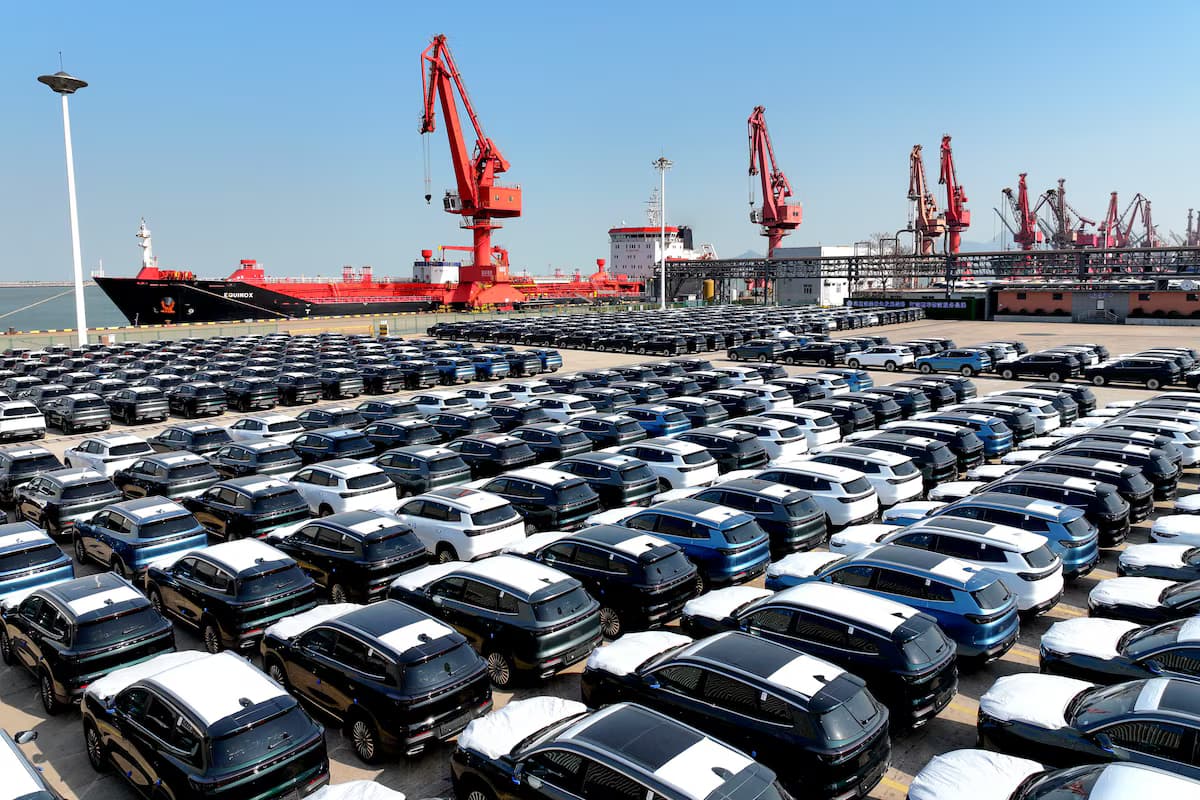
Last week Ottawa announced it would reduce tariffs on a capped number of Chinese-made electric vehicles to 6.1 per cent from 100 per cent, in exchange for lower Canadian tariffs on canola, seafood and peas. The initial quota is 49,000 Chinese EVs a year, rising to 70,000 within five years.
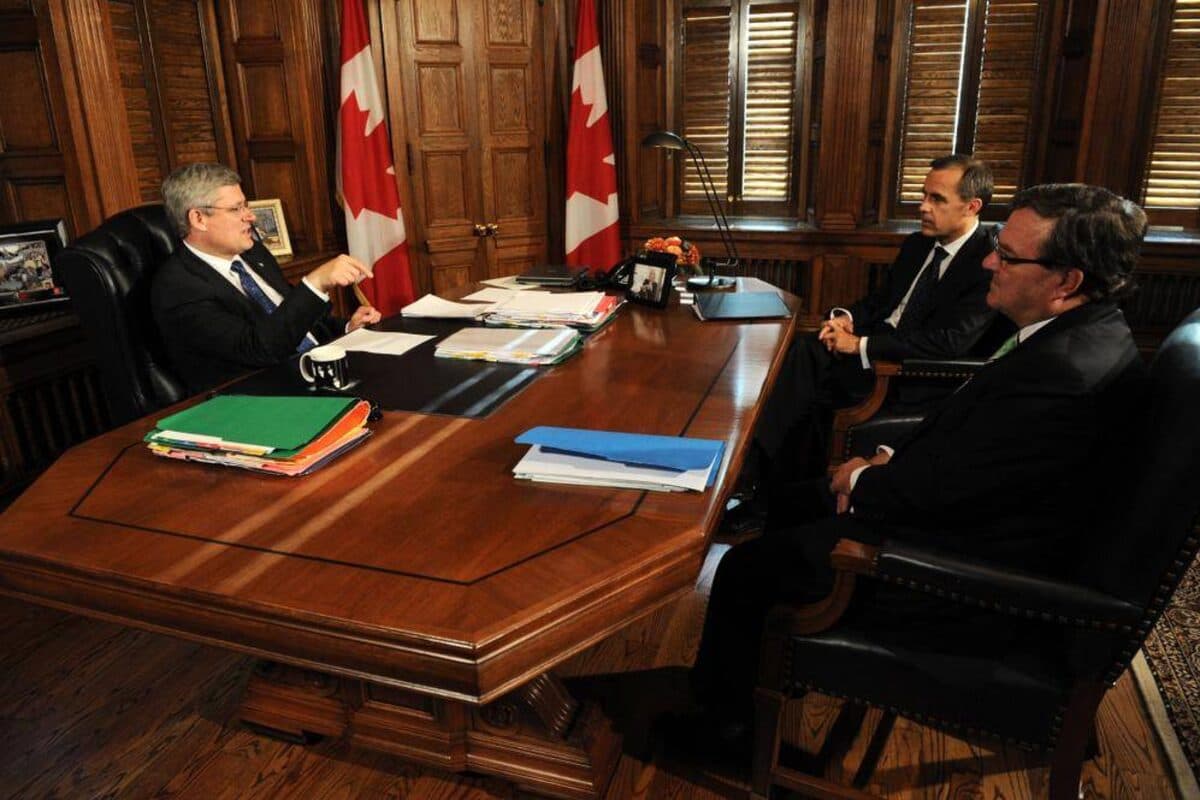
The move follows discussions in China involving Industry Minister Mélanie Joly and Prime Minister Mark Carney. The Prime Minister’s office said the agreement is expected to attract joint-venture investment and support new auto manufacturing jobs and EV supply-chain build-out in Canada, without providing further details.
It is expected that within three years, this agreement will drive considerable new Chinese joint-venture investment in Canada with trusted partners to protect and create new auto manufacturing careers for Canadian workers and ensure a robust build-out of Canada’s EV supply chain.
Prime Minister’s office
How industry players view the change
Analysts say some established brands will benefit quickly. Tesla and Volvo, which already assemble or source models from China, could increase imports without the higher U.S. tariff that applies to some North American-made versions. New entrants from China would likely compete aggressively on price and features if they choose to sell widely in Canada.
Concerns remain over how the quota will be allocated and whether existing imports will count toward the 49,000 cap. If current Chinese-made models such as certain Volvos and Polestars are included, the quota could be largely taken up, leaving little room for new brands to establish dealer networks.
This guy Carney just goes and does a deal with no explanations, no communication, not telling anybody, including our own premier.
Shahin Alizadeh, CEO, Downtown Auto Group
Alizadeh, who owns several Toronto dealerships, said he has not been contacted by Chinese companies about opening sales operations. Other observers note that VinFast scaled its Canadian entry by hiring people from established manufacturers, a model Chery could follow.
Chery’s global footprint and ambitions
Chery operates in about 47 countries, including Britain, Italy, Australia and Mexico. The company reported selling 2.6 million vehicles in 2025, making it China’s third-largest automaker behind BYD and Geely. It has pursued exports aggressively, and previously considered U.S. entry before a 100-per-cent U.S. tariff on Chinese-made EVs halted those plans.
- Chery sold about 2.6 million vehicles in 2025.
- Ottawa set an initial quota of 49,000 Chinese EVs annually, rising to 70,000 in five years.
- Recruiters indicated Chery would open a Toronto-area office and recruit for sales and service roles.
- Chery already sells vehicles in markets across Europe, Australia and Latin America.
What to expect next
Details remain limited. Federal officials have not disclosed how the quota will be split between companies, nor whether importers must commit to local investment or joint ventures. Chery’s next steps likely include formal hiring, regulatory approvals and decisions about dealer or direct-sales models.
For Canadian buyers, the arrival of more Chinese-built EVs could mean lower prices and more model choice, but it may also create pressure on established dealers and on supply chains as manufacturers seek to meet quota limits and local-content expectations.
Chery’s recruitment activity and Ottawa’s tariff change have set a clear path for possible market entry. The coming months should reveal which brands take up the quota, how distribution will be organised, and whether joint ventures will materialise to anchor longer-term investment in Canada.
CheryEVsautomotivetradeCanada