Clients of Richmond immigration consultant Sunny Wang face deportation after fraud convictions
Scores of people who used fraudulent services from Richmond consultant Sunny Wang are losing permanent resident status and being ordered to leave Canada.
Copy link
By Torontoer Staff
Canadian courts and immigration tribunals are revoking the status of dozens of people who used the illegal services of Richmond consultant Sunny Wang, forcing many to leave the country despite previously obtaining permanent residency.
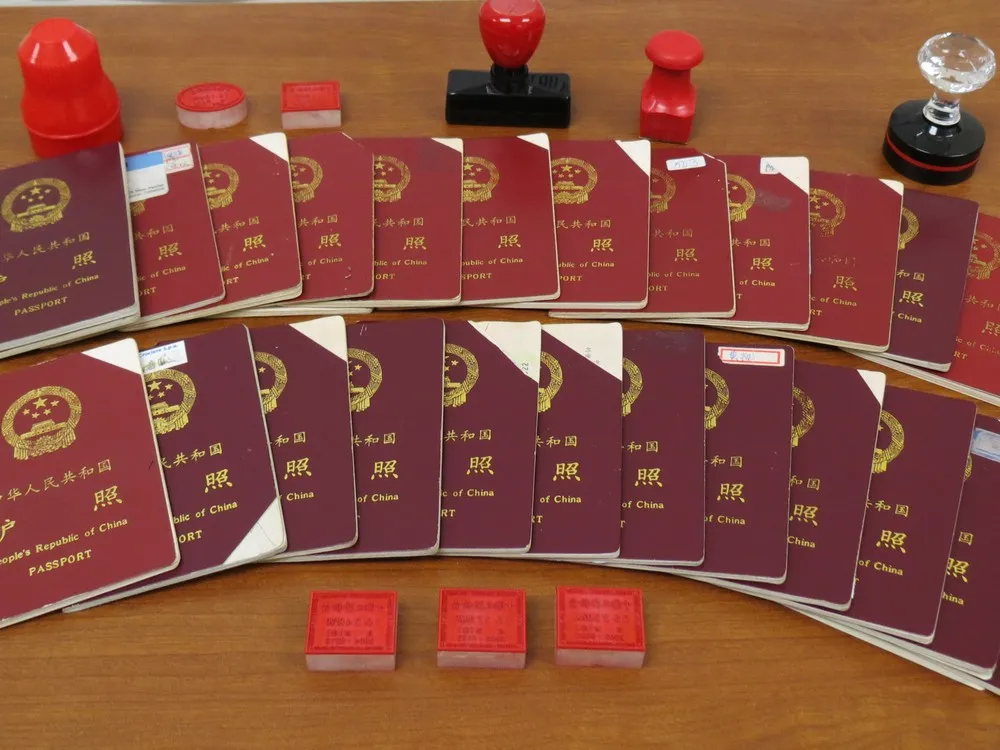
Wang, who pleaded guilty to running an immigration fraud operation, produced altered Chinese passports and false Canadian documents for hundreds of clients. Tribunals in Vancouver and Toronto have repeatedly found that clients either knowingly took part in the scheme or were not credible when they claimed otherwise.
How the scheme worked
Investigators say Sunny Wang ran one of Canada’s largest immigration fraud operations, collecting roughly $10 million over eight years by creating false identities and documents. Canada Border Services Agency agents seized thousands of items from his offices, including doctored passports, forged driver’s licences, fake university letters, bogus paycheques and fabricated business records.
Clients were coached to misrepresent their time in Canada by using fake Canadian addresses, falsified employment histories and sham investments. The fraud aimed at meeting permanent-resident residency requirements, which generally require two years of physical presence in Canada during a five-year period.
Tribunal rulings and exclusion orders
Tribunals have issued exclusion orders against many former clients. Those orders require foreign nationals who provided false information to leave Canada immediately and bar them from returning for five years. Judges and adjudicators have said the evidence shows active, deliberate misrepresentation in most cases.
Wang did not mastermind 'victimless' crimes, noting the integrity of the country’s entire immigration and taxation systems has been a casualty of his elaborate cheating.
Richmond provincial court Judge Reg Harris
Wang was sentenced in 2015 to seven years in jail and fined $900,000 for tax evasion and related offences. He was released on early parole in 2018 after serving about one third of his sentence.
Notable tribunal decisions
Tribunal records name multiple clients who have lost their status. In one case, accountant Gian Xia, 53, was found not to be a credible witness and had her permanent resident status revoked. Her 25-year-old son, Han Guan Qi, known as Leo, was allowed to remain on humanitarian and compassionate grounds because he was a child at the time and has since completed two degrees at Canadian universities.
Other decisions rejected claims that clients had been duped. The tribunal found B.C. resident Qing Hai Zhu should have known he was misrepresenting his time spent in Canada. A lawyer for Zhu argued the Canada Border Services Agency was part of an institutional conspiracy and accused it of systemic racism, but the tribunal dismissed those arguments.
Investor immigrants who used Wang’s services have also been affected. Some who promised large investments to secure residency were found to have used fake Canadian addresses, phone numbers and sham business transactions to mask time spent outside Canada.
A tribunal upheld an exclusion order against wealthy businessman Zheng Rong Yang despite his claims of depression and anxiety. The ruling cited evidence that he set up a fake company, Young Dynasty Ltd., and used Wang to process sham revenue transfers to make the business appear legitimate.
Legal implications and wider impact
Wang’s conviction has been cited in other immigration cases to establish when a person is complicit in another’s criminal actions. The decision has been used to deny relief to employees who say they unknowingly participated in fraud, as in the case of a British citizen, Timothy Durkin, who was deported after a tribunal found he had assisted in a fraudulent investment scheme.
One of Wang’s assistants, Yan Wang, was found guilty of helping create false addresses and fake businesses, including food-court storefronts, to bolster clients’ applications. Courts have taken those findings into account when assessing the credibility and culpability of clients and third parties.
What affected people can do
- Seek immigration counsel promptly to review removal and exclusion orders
- Collect and preserve any original documents that show time spent in Canada, such as school records, medical records and employment contracts
- Apply for humanitarian and compassionate consideration if factors such as a child’s established ties to Canada or serious hardship apply
- Be prepared that tribunals place heavy weight on credibility and documentary evidence
Lawyers for some clients have argued factors such as systemic discrimination or misconduct by enforcement agencies, but tribunals have so far rejected those defences in most cases.
Ongoing consequences
The fallout from the Wang case continues to affect hundreds of people and their families. Some children and dependants have been allowed to stay on compassionate grounds, while many primary applicants are being removed. The rulings signal that the immigration system will enforce consequences for fraud, and that past convictions against consultants can be used to reassess clients’ claims.
Those impacted by the tribunal decisions face difficult choices: return to their countries of origin, pursue legal challenges, or apply for relief when exceptional circumstances exist. The banks of paperwork and court records from the Wang investigation will continue to shape outcomes for years.
immigrationfraudSunny WangdeportationCanada