Downtown Ottawa businesses press for clearer federal in‑office rules as hybrid work persists
Restaurants and food shops that relied on daily federal foot traffic say hybrid arrangements and staffing cuts have hollowed out the downtown core. Business owners want clearer rules from the government.
Copy link
By Torontoer Staff
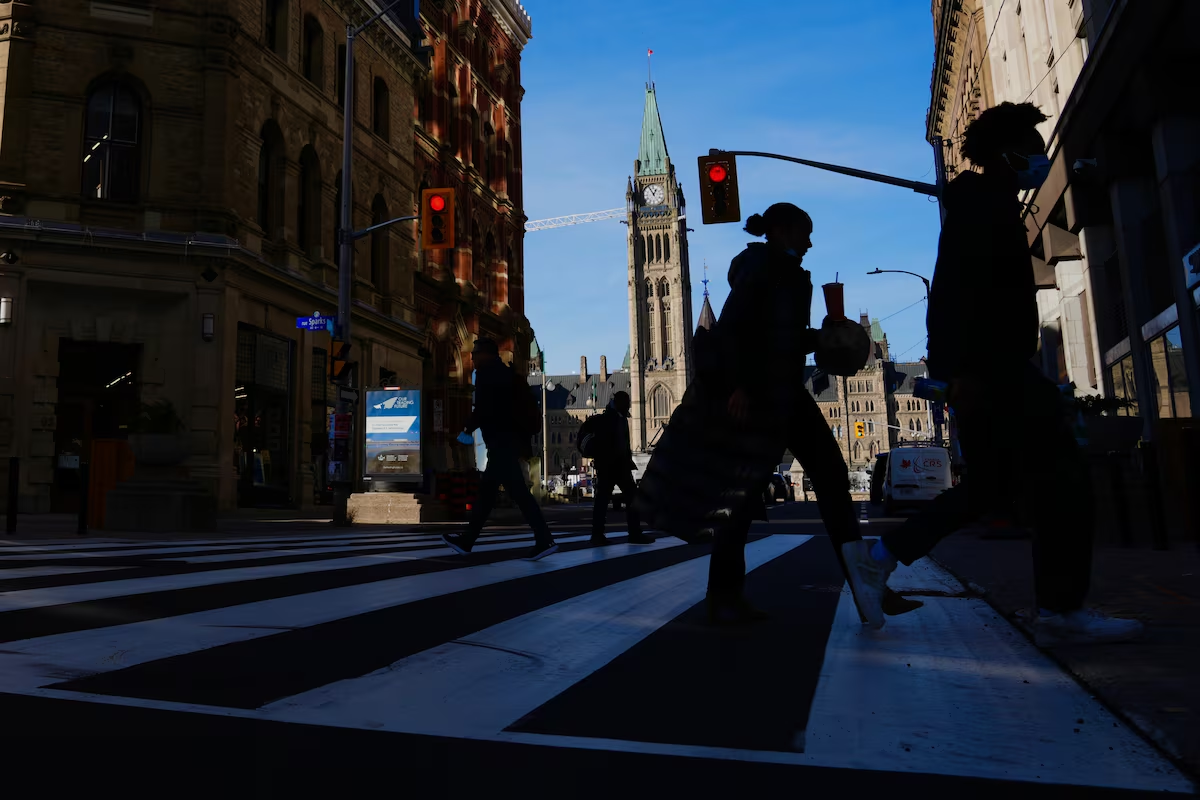
Ottawa restaurants, cafes and specialty food shops report thinner lunch crowds and quieter streets as federal public servants continue to work remotely part of the week. Business owners say hybrid work and pandemic-era staffing cuts have reduced daily downtown traffic that long sustained establishments around Parliament Hill and the Byward Market.
Several owners say they welcomed remarks from Prime Minister Mark Carney indicating the federal government will push for more frequent in-office attendance for public servants, and that a clearer policy could help stabilise downtown commerce.
How hybrid work has changed downtown spending
Pat Nicastro, owner of La Bottega in the Byward Market, said federal workers were a steady lunchtime and after-work clientele for about 30 years. The move to remote and hybrid work removed much of that predictability, he said, adding that fewer staff in federal buildings also means fewer potential customers.
Before, you had the benefit of thousands of workers working in the area every day.
Pat Nicastro, La Bottega owner
Anish Mehra, owner of East India Restaurant, estimated federal workers once accounted for 50 to 60 per cent of his lunch business. He now puts that share at roughly 20 to 30 per cent. He described sympathy for workers who prefer remote arrangements, but said more regular office attendance would help his bottom line.
Government signals and union pushback
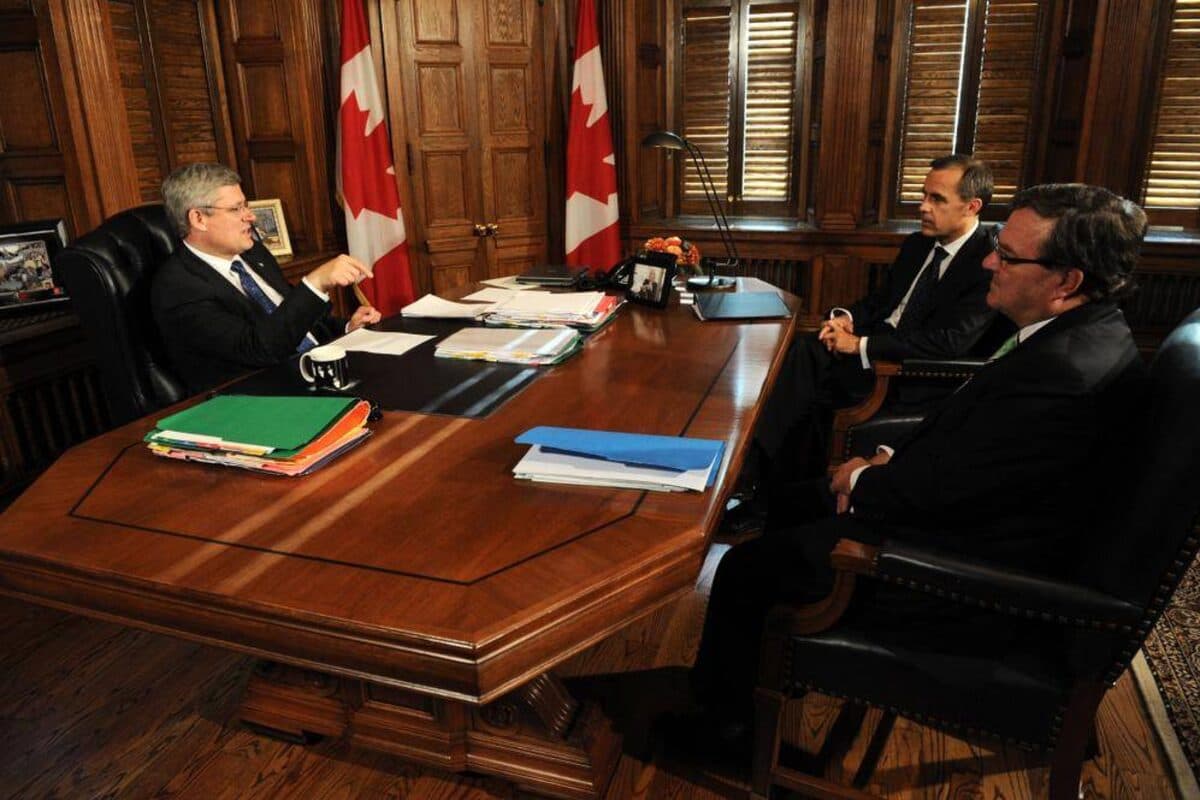
Speaking at an Ottawa Board of Trade forum, Mr. Carney said the government will consult with public-sector unions and come to a "sharper view" on remote-work policy in the coming weeks. He added that in-person requirements would depend on seniority, role and available office capacity after pandemic downsizing.
We will come to a sharper view on it over the course of the next several weeks.
Prime Minister Mark Carney
Unions immediately criticised the remarks. Sharon DeSousa, national president of the Public Service Alliance of Canada, called the proposal out of touch with what is best for workers and taxpayers.
Prime Minister Carney’s commitment to make federal workers spend more time in offices is severely out of touch with what’s best for workers and taxpayers.
Sharon DeSousa, Public Service Alliance of Canada
Scale of the federal presence in the capital
Statistics Canada reported 153,979 federal public servants in the National Capital Region in 2025, far more than other provinces. That concentration has long supported downtown businesses, but reliance on a single employer sector has also left the core vulnerable to sudden shifts in working patterns.
Business and board of trade perspectives
Sueling Ching, president and chief executive of the Ottawa Board of Trade, said the downtown contributes about 20 per cent of the city’s tax base and that its recovery matters for the whole municipality. The board has pushed for a longer-term plan that reduces dependence on federal workers by diversifying employment and amenities in the core.
The outcome that we want is certainty.
Sueling Ching, Ottawa Board of Trade
The board’s 2024 report argued the predominance of federal buildings is now a liability and that the pandemic accelerated the need to retool downtown to attract residents, private-sector employers and more varied services.
What businesses say they need
Owners want clarity from the federal government so they can plan hiring, hours and potential expansion. Several said predictable in-office schedules would help them rehire staff laid off during quieter periods and restore weekday foot traffic that supports lunchtime services and retail sales.
- Clearer federal in-office policies and timelines
- Support for downtown activation and events to draw local residents
- Incentives for private employers to locate or expand downtown
- Improved transit and pedestrian infrastructure to make the core more attractive
Some business owners also welcomed the idea that certainty might prompt private-sector employers to hire more on-site staff or open offices in the city core, a shift that could reduce reliance on federal workers alone.
Looking ahead
Any change to federal remote-work policy will involve negotiation with unions and choices about office capacity. For downtown retailers and restaurants, the immediate need is predictable foot traffic. Business groups say even modest, well-communicated steps could help stabilise revenues and encourage longer-term investment in the core.
Until the federal government settles on a firm approach, many downtown businesses will continue to balance reduced lunchtime demand with efforts to attract more local customers and diversify their offerings.
Ottawadowntownfederal governmentsmall businessworkplace