B.C. premier David Eby accused Alberta separatists of committing "treason" for meeting with U.S. officials and said he will raise the issue at Thursday’s first ministers meeting in Ottawa. The comment follows a Financial Times report that members of Alberta’s separatist movement met with United States government officials in Washington.
Eby said asking a foreign power for help to break up Canada crosses a line and called for a unified Canadian response at the federal-provincial table.
Eby’s remarks and the accusation of treason
Speaking to reporters after the first ministers session, Eby referenced the Financial Times story and quoted directly at length. "To go to a foreign country and to ask for assistance of breaking up Canada, there’s an old-fashioned word for that, and that word is treason," he said. "It is completely inappropriate to seek to weaken Canada, to seek to go and ask for assistance to break up this country from a foreign power."
Eby added that Canadians need to speak with one voice on the matter as premiers met to discuss trade, investment and internal barriers.
What the Financial Times reported
The Financial Times reported that representatives tied to Alberta separatist efforts held covert meetings with U.S. administration officials. Jeffrey Rath, legal counsel for the Alberta Prosperity Project, told the FT that the group met with U.S. State Department officials in April and is seeking another meeting with U.S. Treasury officials.
Rath has said the meetings did not discuss statehood and has declined to identify specific officials, saying he is acting as a private citizen. He has also said the group is seeking large-scale financial support, at one point describing a proposed $500-billion line of credit from the U.S. government.
U.S. White House and State Department officials told the Financial Times they regularly meet civil society groups and that no commitments were made. The U.S. Treasury said no commitments have been made on any proposed financing.
How other premiers responded
Alberta premier Danielle Smith did not speak to reporters as she arrived at the meeting. Other provincial leaders offered a range of responses during the session and in comments to media.
You know, we have a referendum going on out in Alberta. The separatists in Quebec say they’re gonna call a referendum if they get elected. Like, folks, we need to stick together. It’s Team Canada. It’s nothing else.
Ontario premier Doug Ford
Saskatchewan premier Scott Moe urged caution in public rhetoric, arguing the United States is Canada’s largest trading partner and that heated exchanges will not help negotiators abroad.
We need to just take a breath when those comments are made,
Saskatchewan premier Scott Moe
New Brunswick premier Susan Holt said she expects most Albertans will remain part of Canada and described separatist activists as a vocal minority.
I think you’re talking about a minority of people who are agitating and I am very optimistic that the majority of Albertans will demonstrate their love for this country and their desire to be a part of it,
New Brunswick premier Susan Holt
Referendum mechanics and timelines
A citizen-led initiative, Stay Free Alberta, is collecting signatures to force a referendum on Alberta independence. The group must gather nearly 178,000 valid signatures to trigger a vote, and organisers have until early May to meet the threshold.
If the required signatures are certified, a referendum could take place later this year. Organisers and some separatist-aligned groups have been pursuing political and public relations channels to build momentum.
How the first ministers meeting addressed the issue
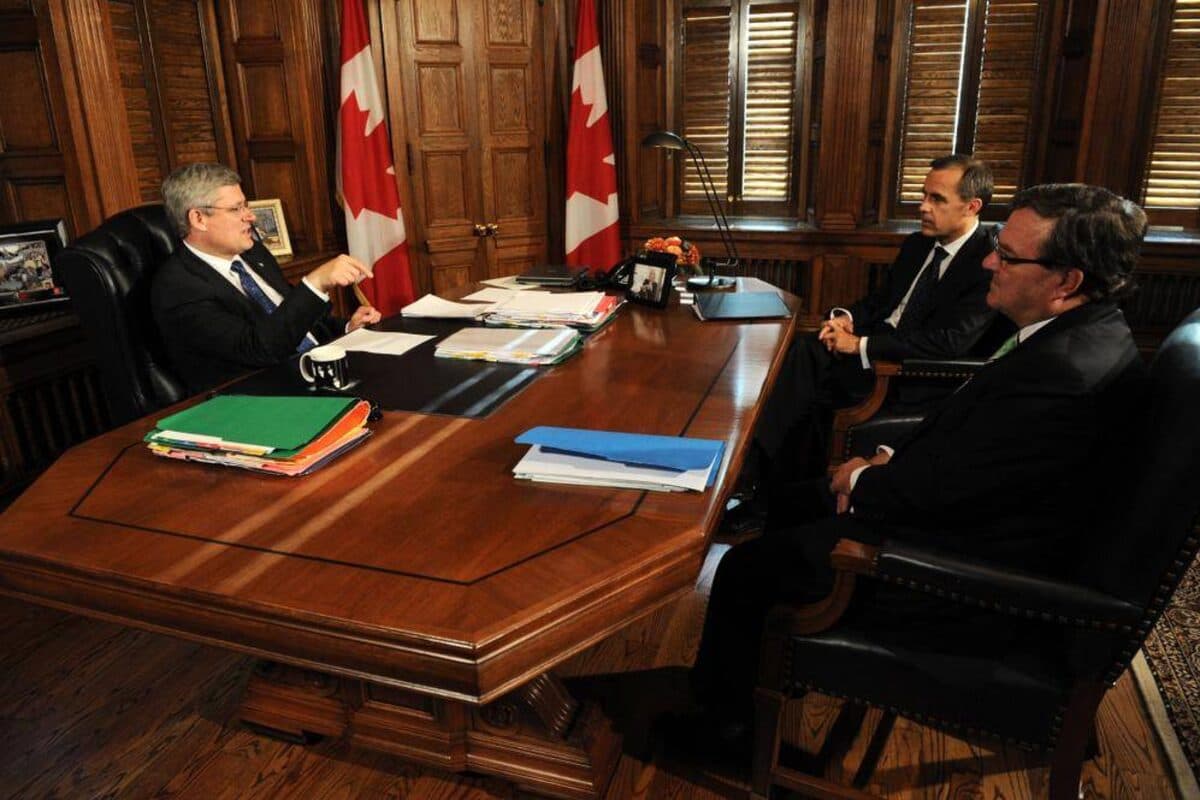
The first ministers meeting moved behind closed doors after opening remarks. Chair Mark Carney, the federal government’s point person for the session, framed the agenda around expanding trade and investment, reducing internal trade barriers, and advancing major infrastructure projects.
Today, we’ll discuss how we can co-ordinate all of those efforts on trade and inbound investment to maximize their impact,
Mark Carney, opening remarks
Carney singled out progress on reducing internal trade barriers by several provinces and said more work remains to break down longstanding obstacles to the movement of goods and services across provincial borders.
What comes next
Eby said he will raise the U.S. meetings during the discussion of intergovernmental priorities. Premiers did not provide an immediate joint statement on the Washington contacts, and provincial responses ranged from calls for unity to appeals for measured public comment.
The story remains fluid: separatist organisers continue to seek meetings with U.S. officials, U.S. agencies say no commitments were made, and provincial leaders are weighing how to address foreign engagement with a domestic independence movement while advancing cooperative work on trade and infrastructure.
The premiers' meeting continued under a closed session, with federal and provincial ministers expected to press on with the trade and internal-barrier agendas before public updates are released.