Ford says Ontario was blindsided by federal China EV agreement
Premier Doug Ford says he learned of Ottawa’s deal to allow Chinese EV imports only hours before the announcement and is urging changes to federal EV policy.
Copy link
By Torontoer Staff
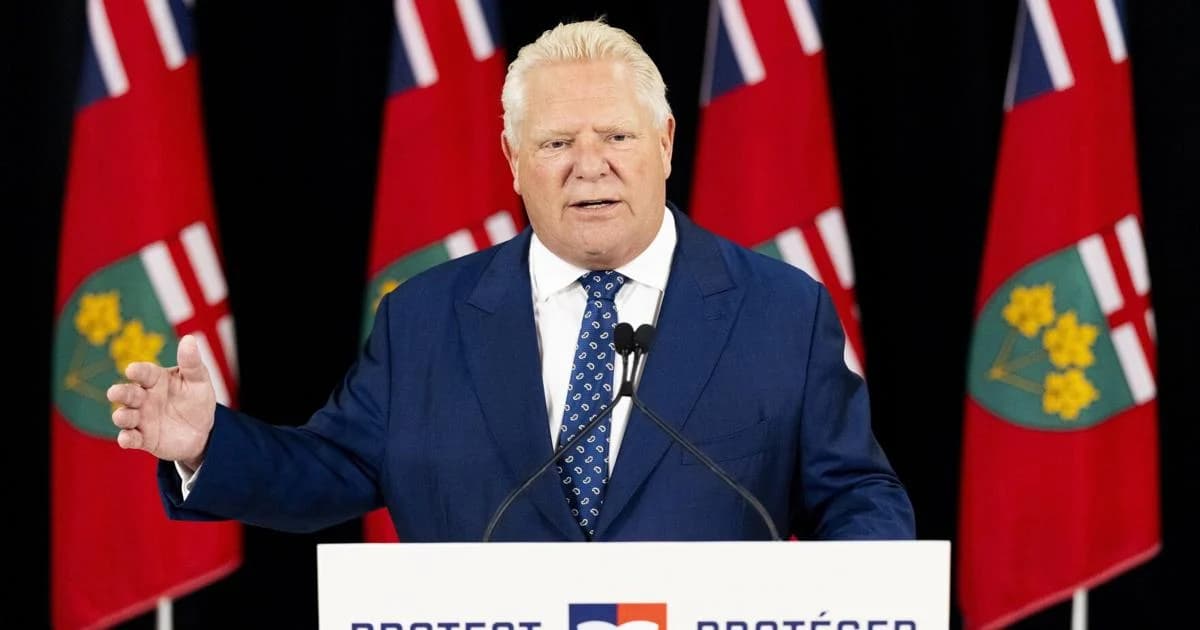
Premier Doug Ford says Ontario's government was not told in advance about the federal agreement to allow Chinese electric-vehicle imports and is urging Ottawa to roll back its EV mandate and change regulations to protect provincial auto jobs.
Ford told reporters at Queen’s Park he first learned about the deal Friday from Intergovernmental Affairs Minister Dominic LeBlanc and clerk of the privy council Michael Sabia, a few hours before the public announcement. He called the lack of direct communication disappointing.
What the agreement allows
Under the federal arrangement, Canada will permit up to 49,000 Chinese-made electric vehicles annually, subject to a tariff of 6.1 per cent. That tariff rate is a significant reduction from the 100 per cent level set last year, which matched then-U.S. measures. The change came in exchange for Beijing removing counter-tariffs on Canadian canola and seafood exports.
Federal officials have said the allowed number could increase if Chinese automakers commit to investing in Canadian production. Prime Minister Justin Trudeau and his trade ministers framed the figure as modest, noting it represents less than three per cent of the roughly 1.8 million vehicles sold in Canada each year.
Ford’s response and demands
Ford said he was surprised by the timing and the substance of the deal. He described the relationship with the federal government as strained by what he called poor communication, and he warned the imports could harm Ontario’s auto sector.
The prime minister knows my number, and I thought we had a good enough relationship that he’d give me a quick text or a little bit of communication. That never happened.
Doug Ford
At a Rural Ontario Municipal Association conference later in the day, Ford called on Ottawa to remove the federal EV mandate, harmonize vehicle regulations with trading partners and eliminate fees he says deter investment. He argued those steps would better protect manufacturing jobs and encourage domestic production.
Federal context and targets
The federal government has previously set targets requiring a rising share of electric vehicles. The original plan called for 20 per cent of new vehicle sales to be electric by 2026, a 60 per cent target by 2030 and full electrification of new sales by 2035. The government paused the 2026 requirement last September and is reviewing next steps amid softening market demand for EVs.
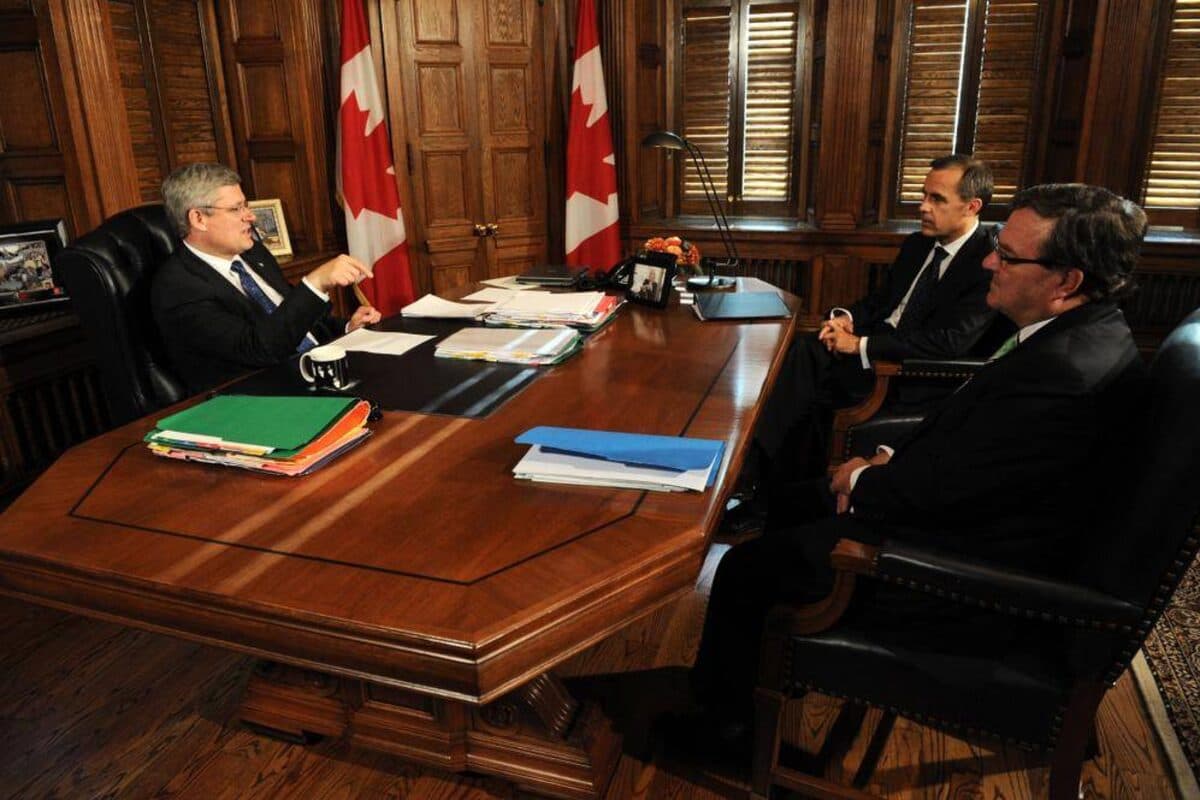
Bank of Canada governor Mark Carney, who has taken a lead role on the file, said he agreed to allow imports in line with the number of China-origin EVs that entered Canada in 2023, when there was no cap. He has also said the cap could be reviewed if Chinese manufacturers invest in Canada. Officials later clarified there is no automatic escalator clause in the accord.
Reactions from provinces and industry concerns
Not all provincial leaders agreed with Ford’s framing. Saskatchewan Premier Scott Moe called the agreement a positive step to restore trade volumes for farmers. Newfoundland and Labrador Premier Tony Wakeham welcomed improved access for seafood exporters. Alberta Premier Danielle Smith argued tariffs harm consumers and businesses.
Ford warned the allowance of Chinese imports could displace domestic production with lower-priced vehicles. He used a metaphor to describe the risk of market entrenchment and referenced past concerns about Chinese tech firms in Canada when discussing potential long-term consequences for jobs in Ontario factories.
What comes next
The federal government says it will monitor how the deal affects trade and industry, and that the number of permitted imports could change if Chinese automakers make investments here. Ford is pushing for immediate policy changes, including removing the mandate and adjusting regulations, to shield Ontario manufacturers from heightened competition.
The dispute underscores ongoing tensions between provincial priorities for protecting local jobs and the federal government’s approach to resolving trade disputes and restoring market access for Canadian exporters. Discussions between Ottawa and the provinces are likely to continue as officials assess the agreement’s impact.
The premiers of Saskatchewan, Newfoundland and Labrador, and Alberta publicly supported the federal move on trade grounds, while Ford has vowed to press Ottawa for changes he says will defend Ontario’s auto sector. Federal and provincial officials have not set a date for further talks.
Ford concluded his remarks by telling delegates to remember his speech if Chinese vehicles increase their presence in Ontario’s market. He said he expects the federal government to be responsive to concerns about jobs and investment, and he repeated his call for clearer communication from Ottawa going forward.
Doug Fordelectric vehiclestradeOntariofederal government