GST top-up called a stopgap as critics blame Carney's economic record
The federal government announced a GST top-up and grocery benefit to help with rising costs. Critics say the measures are short-term fixes that mask broader affordability failures.
Copy link
By Torontoer Staff
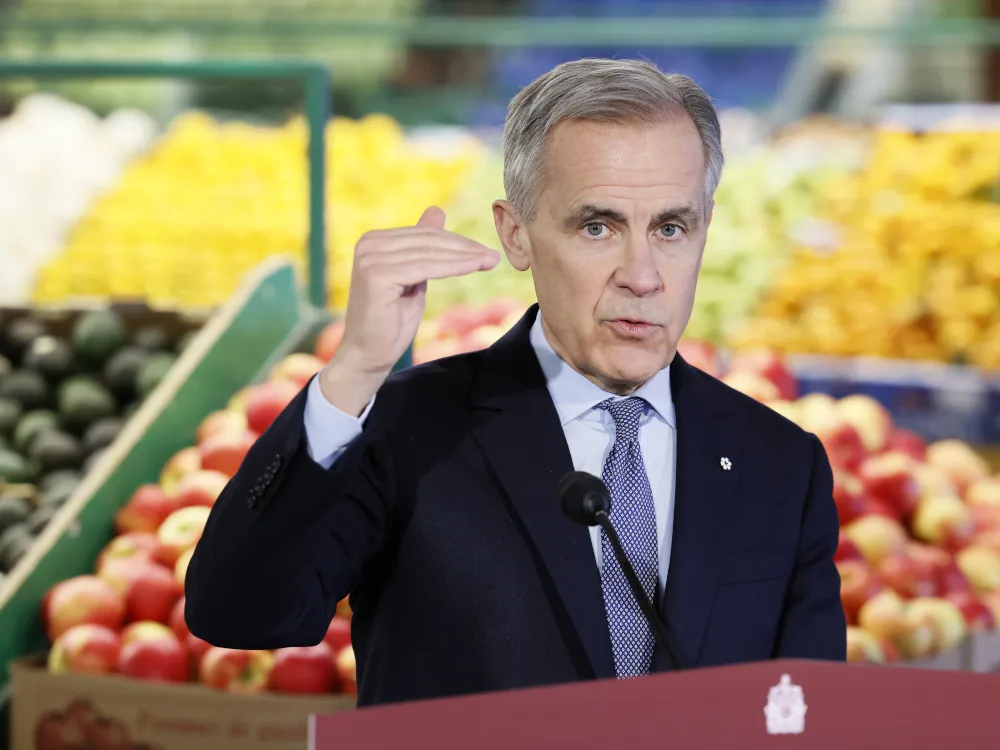
Prime Minister Mark Carney announced a temporary top-up to the GST credit and a one-time Canada Groceries and Essentials Benefit on Jan. 26, saying the measures will put extra cash into the hands of more than 12 million Canadians. The package also includes a National Food Security Strategy and a $20-million boost for food banks.
Commentators and opposition figures quickly characterised the move as a short-term patch that does not address deeper affordability pressures. Some warned the benefit could be a political manoeuvre rather than part of a broader economic plan.
What the benefit includes
The government will increase the existing GST credit by 25 per cent and provide a one-time payment equivalent to 50 per cent of this year’s GST credit. Officials said the intent is to deliver immediate relief as food and other household costs climb.
A family of four receives about $1,100 a year with the existing GST credit. With the new Canada Groceries and Essentials Benefit, that same family will receive up to $1,890 this year and about $1,400 a year for each of the next four years.
Mark Carney
Beyond the GST top-up, the government outlined a strategy aimed at strengthening domestic food production and improving access to affordable, nutritious food. The $20-million boost to food banks is meant to address immediate needs.
Why some critics call it insufficient
Critics say the measures are a short-term fix that fails to confront the structural causes of rising costs. They point to persistent increases in food prices, energy bills and housing costs, and argue that a one-off top-up does not substitute for a sustained economic plan.
This is a sign of financial desperation that things aren’t going well in Canada under Carney’s leadership.
Michael Taube, National Post
Commentators also questioned whether the benefit is well targeted. Because the GST credit is broadly distributed, a significant portion of middle-income households will receive payments, prompting debates about whether those funds are the best use of public dollars for addressing acute need.
Who benefits and who does not
- More than 12 million Canadians will see higher GST credit payments this year and in subsequent years while the top-up is in place.
- Families on tight budgets will get immediate relief intended to help with grocery bills and other essentials.
- Food banks receive an additional $20 million to handle increased demand.
- Critics say those with deeper or longer-term affordability problems, particularly renters facing rising housing costs, may not see meaningful relief from a GST top-up alone.
Economic context
Household budgets have come under pressure as food prices, energy and housing costs have risen over recent years. The result has been greater reliance on food banks and tighter discretionary spending for many families. Economists assess policy responses by looking at both immediate relief and measures that affect supply, wages and inflation over the medium term.
Supporters of the top-up argue that getting cash into households quickly can ease immediate strain while the government develops longer-term solutions. Skeptics say quick cash transfers must be paired with policies that address housing supply, wage growth and persistent inflation drivers to be effective.
Political implications
Observers noted the timing of the announcement and its potential political effects. Reporters asked Carney whether he was considering an early election, a question to which he gave a noncommittal reply, saying a snap vote should not be assumed from this move.
You can’t draw that conclusion at all.
Mark Carney, on whether an early election is imminent
The debate is likely to continue as parties assess whether the benefit changes public sentiment on affordability. Opposition parties and some commentators will press for more durable policy responses rather than temporary supplements.
Ultimately, the new payments will be judged on how much relief they provide and whether they are followed by measures that address the underlying drivers of higher living costs.
GSTaffordabilityMark Carneygrocery benefitfederal politics