Ignatieff says Carney may run out of time to reshape Canada’s global strategy
Michael Ignatieff warns Prime Minister Mark Carney’s plan to reposition Canada amid a shifting world order will take years, and political time may be short.
Copy link
By Torontoer Staff
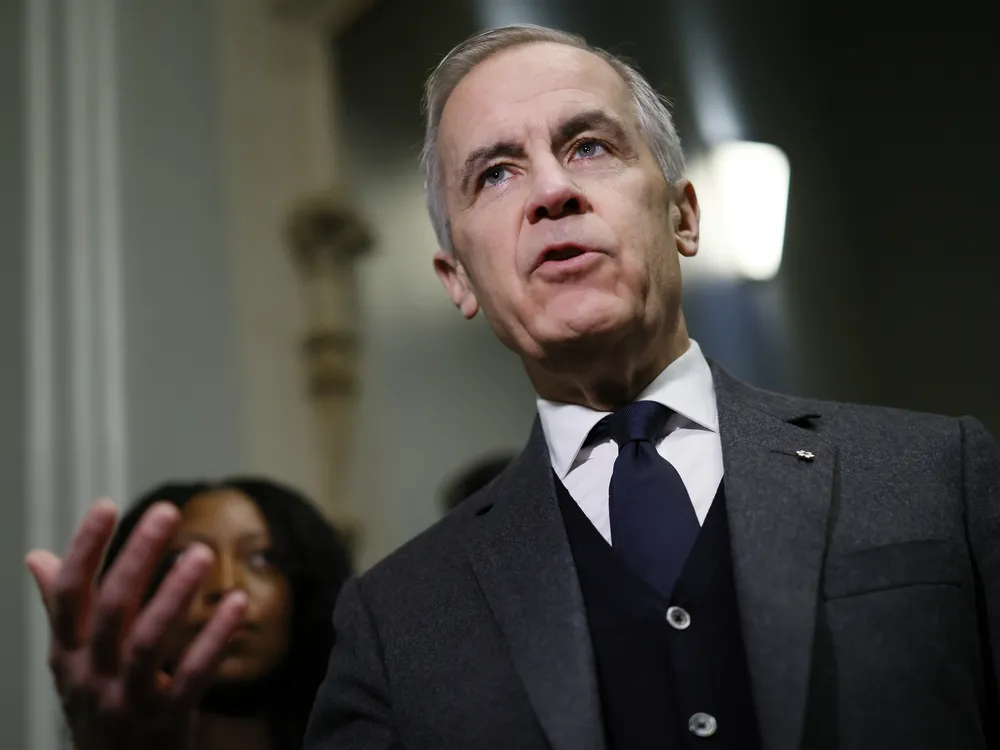
Former Liberal leader Michael Ignatieff says Prime Minister Mark Carney faces a tight clock to implement a long-term plan to shield Canada from rising geopolitical risk. Ignatieff praised Carney’s warning at Davos about a rupture in the international order, but said the project to forge new partnerships and reduce reliance on great powers will take years to bear fruit.
Carney told global leaders in Davos that economic integration is being used as a weapon by major powers, and that intermediate nations should band together to protect economic interests. Ignatieff called the diagnosis accurate, but stressed execution will be slow and politically demanding.
Davos warning: rules-based order under strain
At the World Economic Forum in Davos last week, Carney argued the old, rules-based international order is fragmenting. He urged countries like Canada to prepare for a world divided into zones of influence dominated by the United States, China and Russia, and to consider closer ties with mid-size democracies as a hedge.
Ignatieff said Carney’s diagnosis ‘got it right,’ and that the belief in automatic protection from the United States and international law no longer reflects reality. He framed the shift as structural, not a temporary lapse in diplomacy.
The rules-based international order was always a bit of a fiction. It allowed us to believe we had the protection of the United States. We had the protection of international law. We’re actually not in that world at all.
Michael Ignatieff
What a new strategy would require
Ignatieff sketched what he sees as the practical elements of the plan: start urgent talks with the United States to establish non-negotiable Canadian red lines, while simultaneously building new trade and strategic relationships with middle powers and large democracies such as India. He said the work will include economic diplomacy, trade missions and domestic projects that demonstrate Canada can deliver concrete benefits.
- Open negotiations with the United States to clarify Canadian bottom lines in trade and security
- Pursue partnerships with middle-sized democracies and large markets, including India and Latin American countries
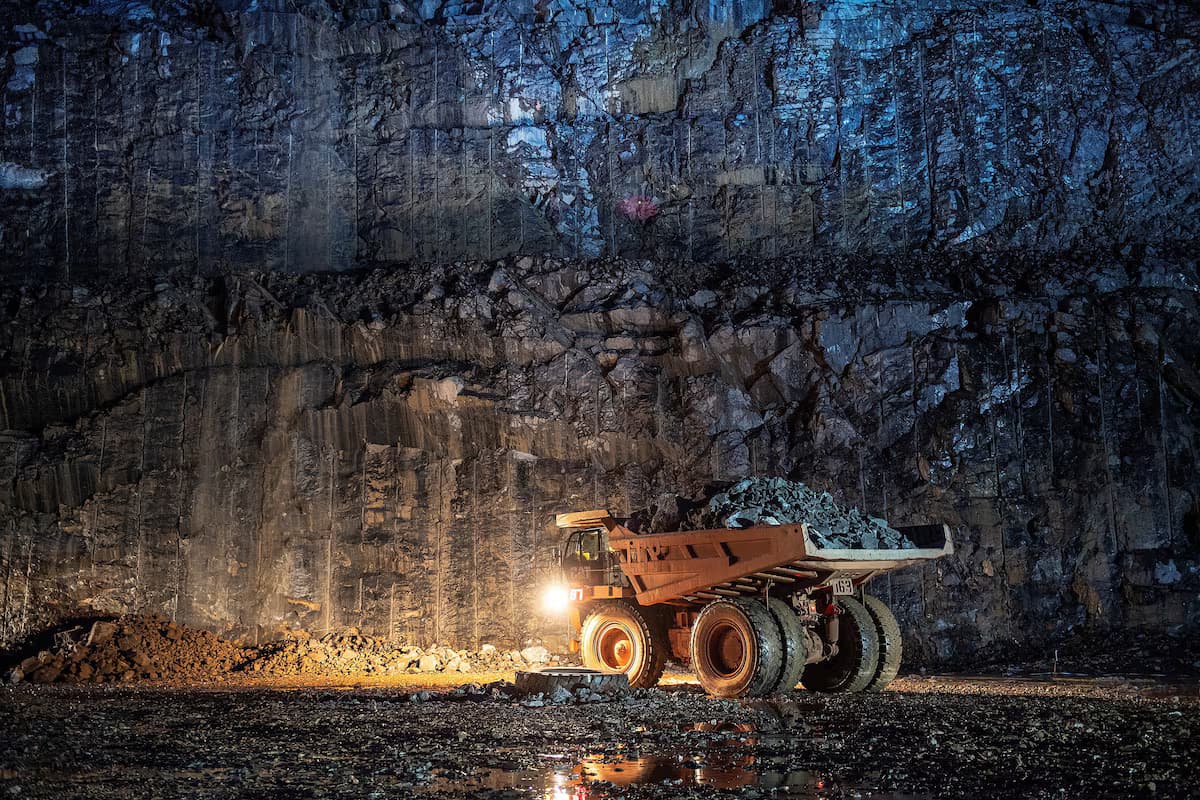
- Advance domestic infrastructure projects such as oil export terminals and mining agreements to boost economic leverage
- Demonstrate early wins to maintain public confidence while longer-term diplomacy proceeds
Ignatieff emphasised that Canada has the resources and expertise to pursue this path, but that the effort is multi-year and cannot be accomplished by rhetorical gestures or short-term deals.
This is a 10-year, 15-year project. It’s doable, but the question is whether Carney’s got the time to do it.
Michael Ignatieff
Trade reality: CUSMA and the risk of high tariffs
Ignatieff said the prime minister sounded sceptical about the durability of the Canada-United-States-Mexico Agreement, or CUSMA, suggesting negotiations could stall or collapse. In that scenario Canada would face the prospect of higher tariffs and a less predictable trading environment with its largest neighbour.
He argued that attempting to placate the United States with concessions would not protect Canada. Instead, diversifying partners and strengthening domestic projects can provide alternatives if relations sour.
Domestic politics and the need for visible results
Ignatieff said Carney must pair international manoeuvres with visible domestic achievements. He singled out oil terminals and mining deals as areas where the government can show progress that supports broader diplomatic efforts and reassures voters.
That dual track matters because long-term reorientation will require sustained public support. Delivering tangible projects and early diplomatic wins will reduce the risk that a longer horizon becomes a political liability.
A pragmatic assessment of timelines
Experts and former officials have been clear that creating new trade networks and strategic partnerships takes time. Ignatieff’s point highlights a political constraint: even thoughtfully designed, credible strategies can stall if leaders do not have the political runway to see them through.
For now, Carney has signalled the direction he prefers. The question until now has been how quickly he can translate broad strategy into concrete agreements and infrastructure, and whether he can maintain public and parliamentary support while doing so.
Carney’s next steps, according to Ignatieff, should be to open clear channels with the United States, establish non-negotiable red lines, and produce deliverables at home that prove the strategy is more than rhetoric.
If Carney can achieve those early successes, the longer project of reorienting Canada’s economic ties and security partnerships will have a better chance of succeeding. Without them, the plan risks becoming an agenda with insufficient time to take root.
Mark CarneyMichael IgnatieffDavostradeCUSMAforeign policy