India says Canada is shedding its 'younger brother' image under Carney as trade talks loom
India’s high commissioner says Prime Minister Mark Carney has made Canada appear more independent of the U.S. Ottawa and New Delhi are preparing comprehensive trade talks ahead of a planned March visit.
Copy link
By Torontoer Staff
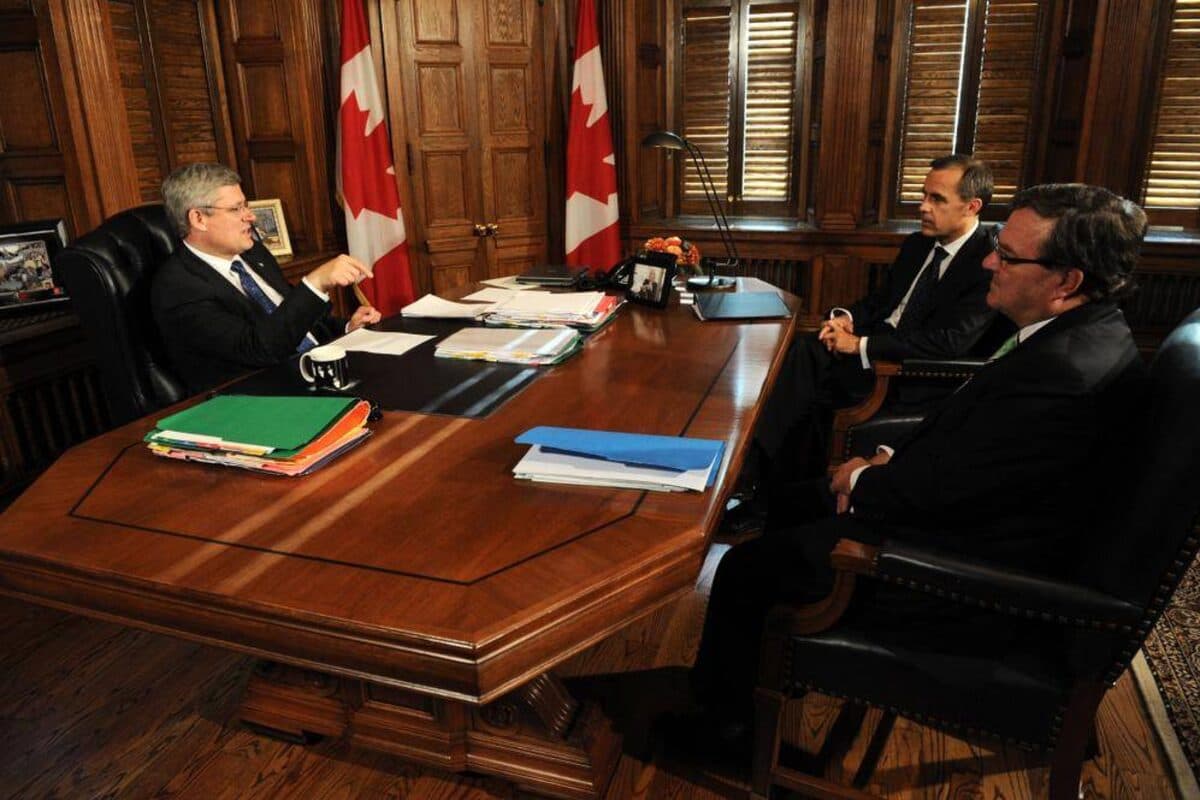
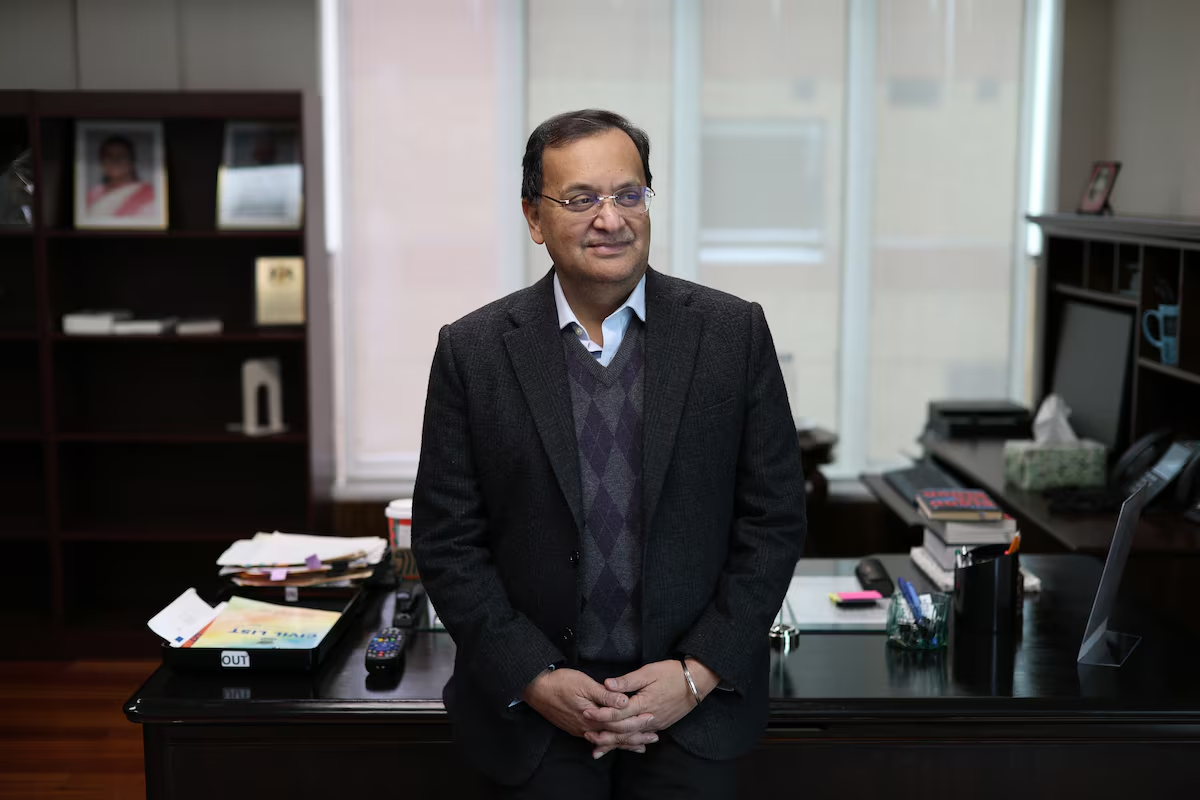
India’s high commissioner to Canada, Dinesh Patnaik, says the country no longer sees Canada as the United States’ “younger brother,” crediting Prime Minister Mark Carney with shaping a more independent Canadian posture. Ottawa and New Delhi are preparing to open talks on a comprehensive trade agreement as Mr. Carney plans a first official trip to the Indian subcontinent in March.
Patnaik told reporters he expects negotiations to take about a year, and that a high-profile uranium supply deal could be announced during the visit. The shift in tone follows a two-year diplomatic rupture between the countries and comes as India finalizes a major trade pact with the European Union, which Patnaik said frees up Indian capacity to negotiate with Canada.
Trade talks and the March trip
Officials from Ottawa and New Delhi are preparing for comprehensive trade negotiations, with timelines contingent on technical and political factors. The Prime Minister's Office has not formally confirmed Mr. Carney’s India itinerary, but Australian Prime Minister Anthony Albanese announced a visit to Australia in early March by Mr. Carney, and Patnaik expects India to be scheduled before or after that stop.
Patnaik said India’s negotiators can now focus more attention on Canada after completing a broad deal with the European Union that removes or reduces tariffs on more than 96 per cent of EU exports to India. He estimated a one-year window for Canada-India talks, with the possibility of a shorter timeline if both sides prioritise progress.
Uranium and resource opportunities
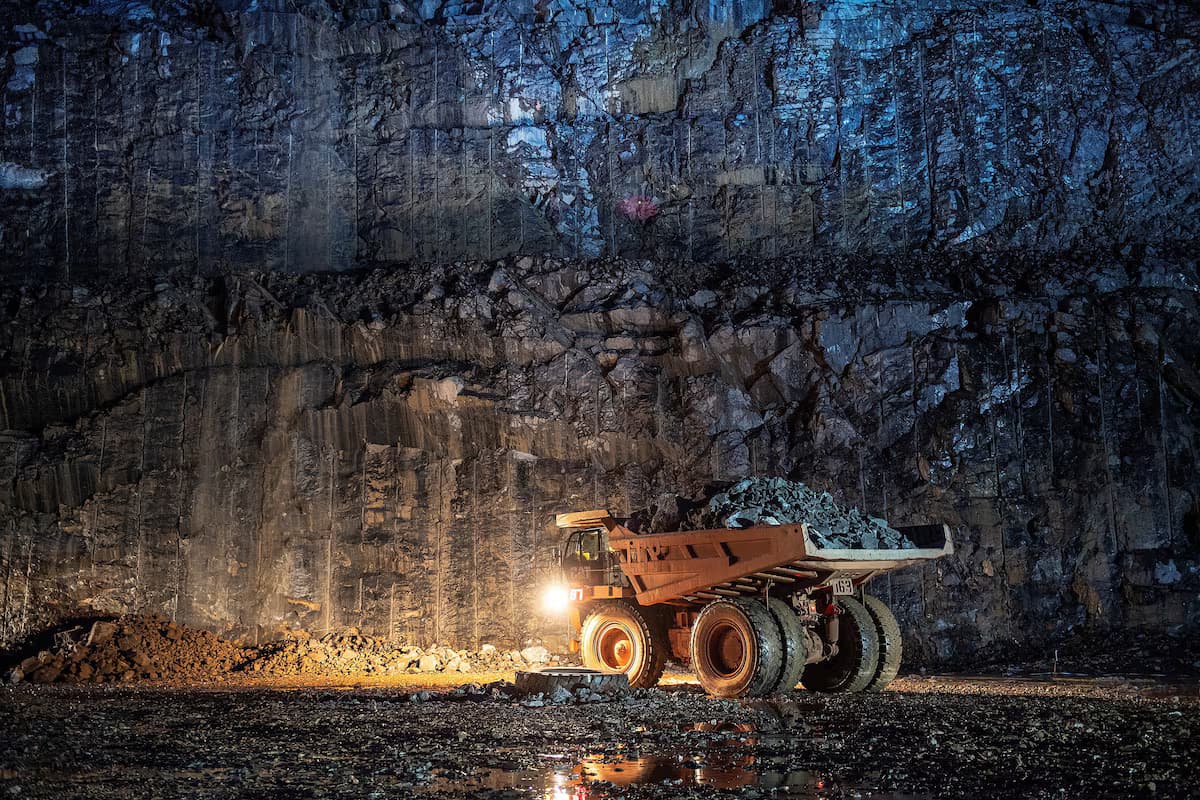
A proposed uranium supply agreement between Canada and India has been cited by both governments and industry sources. The Globe and Mail previously reported terms for a deal worth about US$2.8 billion over 10 years involving Cameco Corp., though officials said details could change before any announcement.
Patnaik described strong interest from Indian investors in Canadian resources and infrastructure. He listed minerals, rare earths, critical minerals, oil and gas, agri-foods, fertiliser and lumber as priorities for Indian buyers, and said demand is driven by India’s population of more than 1.4 billion, which will push consumption higher as the economy grows.
- Minerals and critical minerals
- Rare earths
- Oil and gas
- Uranium
- Agri-foods, fertiliser and potash
- Lumber
Energy and Natural Resources Minister Tim Hodgson is already in India seeking energy and critical mineral agreements. Patnaik said Indian appetite is broad and buyers are ready to conclude deals where terms are acceptable.
Perception shift under Carney
Patnaik attributed part of the changing view of Canada to Mr. Carney’s efforts to project an independent foreign policy and to diversify trading relationships beyond the United States. He pointed to Mr. Carney’s speech at the World Economic Forum in Davos, where the Prime Minister criticised the durability of the postwar rules-based order and urged middle powers to form new coalitions.
For a long time, Canada was seen as a younger brother of the U.S. If you want Canada to do anything, just get the U.S. to do it and Canadians will follow. That’s no longer the case under your new Prime Minister.
Dinesh Patnaik, Indian high commissioner to Canada
Patnaik said Indian investors had been reluctant to see Canada as open for foreign investment because of perceived delays and bureaucratic barriers in approving major projects. He suggested the current administration’s emphasis on faster approvals and active outreach has raised investor confidence.
Security issues and the diplomatic reset
The diplomatic reset between Ottawa and New Delhi follows a sharp breakdown in relations in 2023, after Canada publicly accused India of involvement in the killing of a Canadian Sikh activist in Surrey, British Columbia. India has repeatedly denied the allegation. Both countries have said they will co-operate more closely on security as ties are restored.
Patnaik reiterated India’s denial and said India would take action if Canada produced evidence supporting its claims. Canadian authorities continue to investigate alleged transnational interference, and four Indian nationals are charged in connection with the case.
What to expect next
A series of Indian ministers and officials are expected to visit Canada as part of the reset, Patnaik said. Likely visitors include the national security adviser and ministers responsible for commerce, finance, petroleum and education. Progress on trade talks and resource deals will depend on technical negotiations, regulatory approvals and the political will of both governments.
If a uranium supply agreement is announced, it would mark a significant step in bilateral cooperation on nuclear energy and reflect a broader push to expand commercial ties. Officials on both sides will also need to manage lingering tensions from the 2023 rupture while advancing economic collaboration.
The coming months will test whether the diplomatic thaw translates into concrete deals and faster approvals for foreign investment. For now, India’s envoy says Ottawa’s new tone has already shifted perceptions, making Canada a more attractive partner for a country intent on securing resources for long-term growth.
Canada-India relationsMark Carneytrade talksuraniumDinesh Patnaik