Inflation rose to 2.4% in December after federal GST 'tax holiday' fell out of annual comparison: StatCan
Statistics Canada says inflation ticked up to 2.4% in December as last year’s federal GST tax holiday dropped out of the year-over-year comparison, lifting prices for dining and some groceries.
Copy link
By Torontoer Staff
Statistics Canada reported annual inflation of 2.4 per cent in December, up from 2.2 per cent in November. Economists had expected the rate to hold at 2.2 per cent, but the end of last year’s federal GST tax holiday altered the year-over-year comparison and pushed the headline number higher.
The agency said Ottawa’s two-month removal of GST on selected items in mid-December 2024 reduced prices a year earlier for dining out, alcohol, children’s toys and other goods. Those discounts no longer appear in the 2025 comparison, contributing to the December uptick.
Which prices moved the most
Restaurant meals led the increase, rising 8.5 per cent year over year as the earlier tax-free period fell out of the comparison. Some grocery items that were included in the tax holiday also saw larger annual jumps in December.
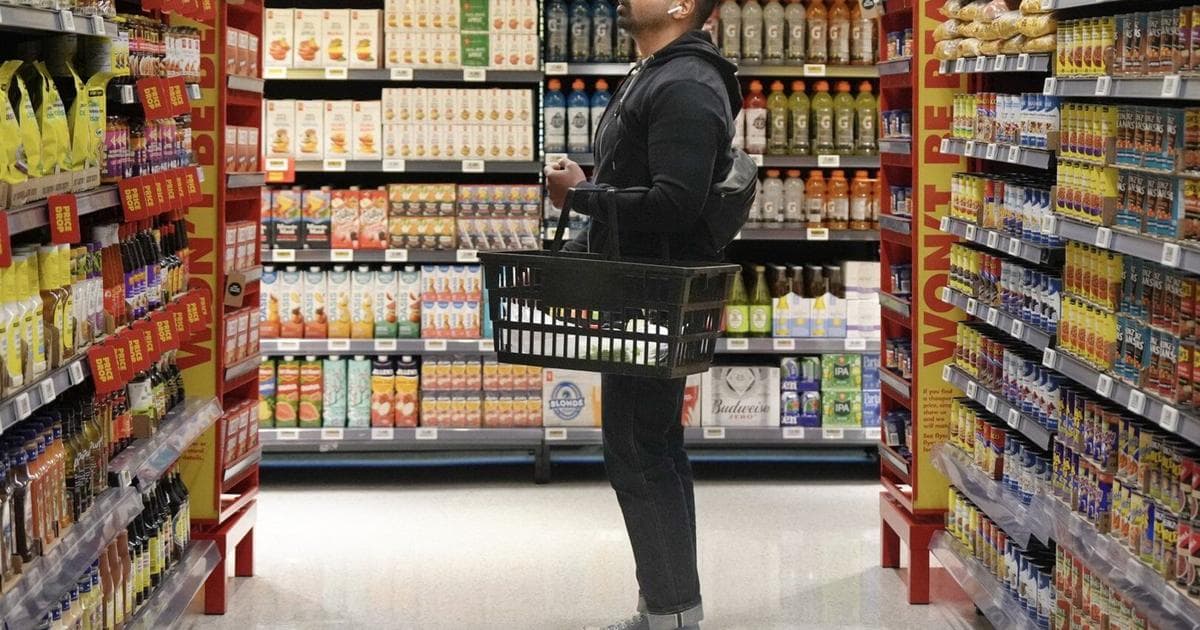
On a broader level, food purchased from grocery stores was up five per cent year over year, while month-to-month levels were broadly unchanged. StatCan highlighted large gains for a few specific items: coffee was up more than 30 per cent in December, and fresh or frozen beef rose 16.8 per cent.
Not all categories contributed to the headline increase. Gasoline prices dropped 13.8 per cent year over year, driven by global crude oversupply. Airfare showed a complex pattern: prices were marginally lower year over year, but rose 34.5 per cent month over month as holiday fares outpaced those from the previous year. The cost of travel tours also increased on a monthly basis, pushed higher by prices for U.S. destinations.
- Headline inflation: 2.4% in December (up from 2.2%)
- Restaurant meals: +8.5% year over year
- Grocery-store food: +5.0% year over year
- Coffee: +30% in December
- Fresh or frozen beef: +16.8% year over year
- Gasoline: -13.8% year over year
- Airfare: +34.5% month over month
What economists say about underlying inflation
Economists caution that the headline move was partly mechanical because of last year’s tax measure, and that underlying trends tell a more useful story for policy. Core inflation measures monitored by the Bank of Canada showed signs of moderation in December, even as they remained above the central bank’s two per cent target.
Overall, December’s data is consistent with our expectation for inflation to moderate to the bank’s target over the next year, as past inflation problem areas, like rents, continue to cool.
Leslie Preston, senior economist, TD Bank
But some economists say that the moderation is not yet sufficient to prompt further policy easing. BMO chief economist Doug Porter said that progress on core inflation has not removed the need for caution.
It would take a serious deterioration in the economy and some further signs of core inflation decelerating to again open the door for renewed policy easing — we’re simply not there yet.
Doug Porter, chief economist, BMO
Implications for the Bank of Canada and households
The December figures are the Bank of Canada’s last full set of price data before its first interest rate decision of the year. The central bank held its benchmark rate at 2.25 per cent in December. Policymakers will weigh the technical effect of the tax holiday reversal alongside signs of cooling in rents and other core components when assessing the path for rates.
For consumers, the report highlights mixed impacts: higher costs for dining and several grocery items, offset in part by falling gasoline prices. Travellers faced a sharp month-to-month increase in airfare, while those filling household pantries saw grocery inflation accelerating compared with recent months.
What to watch next
The Bank of Canada will release updated quarterly surveys of businesses and consumers along with its policy decision. Analysts will be watching core inflation metrics and the surveys for clearer signals on how quickly inflation will return to the two per cent target.
December’s inflation rise reflects a combination of policy timing and continuing shifts in specific categories. Core measures show progress toward the target, but the timing and pace of further easing depend on whether that moderation continues in the months ahead.
inflationStatistics CanadaBank of Canadaeconomycost of living