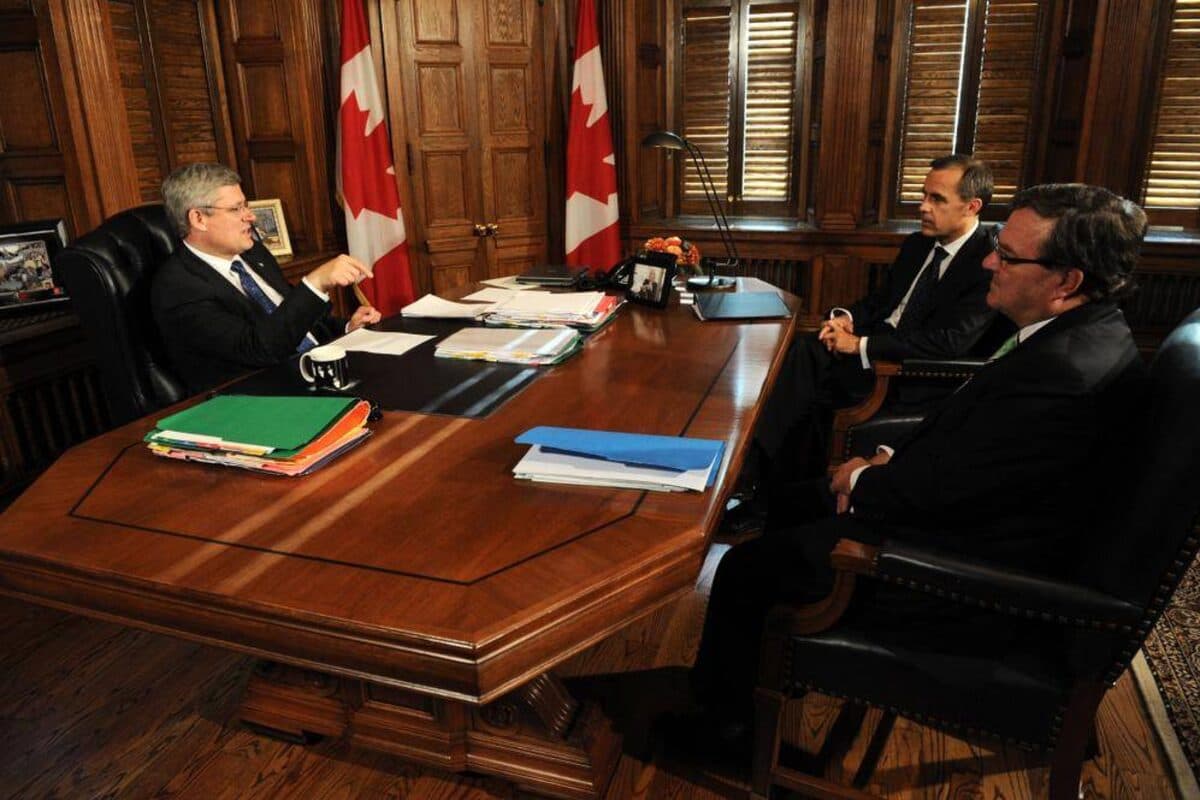
Investors say their life savings vanished after loans to Hollywood productions; OSC and police now investigating
Dozens of investors, including a Toronto couple, say Creative Wealth promised steady returns from film financing. The Ontario Securities Commission alleges a Ponzi-like scheme.

Copy link
By Torontoer Staff
Dozens of investors across Canada and the United States say they lost savings after putting money into Creative Wealth Media Finance, a Toronto private lender that backed Hollywood productions including Joker and Licorice Pizza. The Ontario Securities Commission has alleged a Ponzi-like scheme, and Toronto Police have opened a financial crimes investigation.
Founder Jason Cloth and Creative Wealth face regulatory proceedings that begin on May 19 before the Capital Markets Tribunal. If the tribunal rules against Cloth, he could face fines, trading bans and orders to repay funds to harmed investors.
How Creative Wealth pitched film financing
Cloth launched Creative Wealth in Toronto in 1992 and later partnered with Bron Studios to raise private capital for film and television projects. The firm attracted pension plans, investment managers and high net worth individuals by offering loans secured against production financing, and Cloth earned executive producer credits on films such as Joker, Licorice Pizza, Greyhound and Bombshell.
According to the OSC, Creative Wealth raised more than $500 million from over 500 investors between 2013 and 2022. Many investors received regular distributions that appeared to deliver strong returns for years, which encouraged further investments.
Allegations, Bron’s bankruptcy and the collapse
The OSC says the model became unsustainable after the company began using funds raised from new investors to pay earlier investors, and by diverting money to undisclosed purposes. One example cited by the regulator is a roughly $50-million loan to a real estate developer for a Kingston townhouse project that remained largely unpaid as of 2023.
Bron Studios filed for bankruptcy in 2023, citing pandemic-era challenges and a prolonged writers strike. The OSC says the studio’s collapse left Creative Wealth unable to recover loans it had made or receive payments it expected, contributing to Creative Wealth’s bankruptcy later that year.
Regulatory and legal exposure for Cloth
The OSC has alleged two breaches of Ontario securities law by Cloth and Creative Wealth. The tribunal hearing could result in administrative penalties, including fines of up to $1 million per breach, permanent bans from acting as a director or trading in securities, and disgorgement orders to recover funds for investors.
Separately, a Florida jury found Cloth liable for fraud in a 2024 case brought by investor Robert Harris, who was awarded $19.6 million in damages after arguing Cloth made misrepresentations to secure more than $6 million in investments. Cloth says he will contest the findings in Ontario and has denied committing financial fraud.
Investors describe mounting losses and hardship
Solly and Moise Vanounou, a retired couple in Quebec, invested $800,000 with Creative Wealth over several years, representing their life savings. They received monthly distributions as high as $8,000, and those payments sustained them until 2023, when distributions stopped and requests for withdrawals were met with delays and excuses.
He told me he’s going to take care of me like he’s taking care of his mother, I wish he could see me.
Solly Vanounou
The couple now rely on Old Age Security and a small savings account. They have sold a car and may be forced to sell their home. Other investors report similar experiences, saying initial payments created confidence that collapsed once the underlying loans and studio payments failed to materialize.
Cloth’s public responses
Cloth has told reporters he cannot discuss the OSC proceeding while it is ongoing. He has said Creative Wealth had collateral for its loans and blamed Bron Studios for alleged pervasive fraud that left lenders unpaid. He has also said he paid loan fees and did not take money that was not disclosed.
I feel horrible for everybody, but really, what am I supposed to do? We were left holding the bag to the tune of like $350 million of losses.
Jason Cloth, as quoted to the Star
Property records show Cloth remains listed as the owner of a house in Toronto’s Lawrence Park neighbourhood. Creative Wealth’s bankruptcy listings indicate many individual investors are unsecured creditors, a status that typically offers little recourse to recover lost capital.
What investors should watch for
- The Capital Markets Tribunal hearing starting May 19 for possible sanctions and disgorgement orders.
- Any public statements or filings from Creative Wealth’s insolvency trustee that clarify the estate’s assets and creditor recovery prospects.
- Results of the Toronto Police financial crimes investigation and any criminal charges that might follow.
Investors concerned about similar private-placement opportunities should review disclosure documents, verify how collateral is held and seek independent legal and financial advice before committing substantial capital.
For the Vanounous and many others, the outcome of the OSC proceeding and any enforcement action will determine whether they recover any of the savings they say they lost. Until then, their finances and retirement plans remain uncertain.
Creative WealthJason ClothOntario Securities Commissioninvestor protectionfilm financing