Liberal MP proposes changes to Divorce Act to give children a greater voice and address coercive control
A bill introduced by Liberal MP Lisa Hepfner would let children in some cases tell judges their preferences, require lawyers to screen for family violence, and broaden how courts treat coercive control.
Copy link
By Torontoer Staff
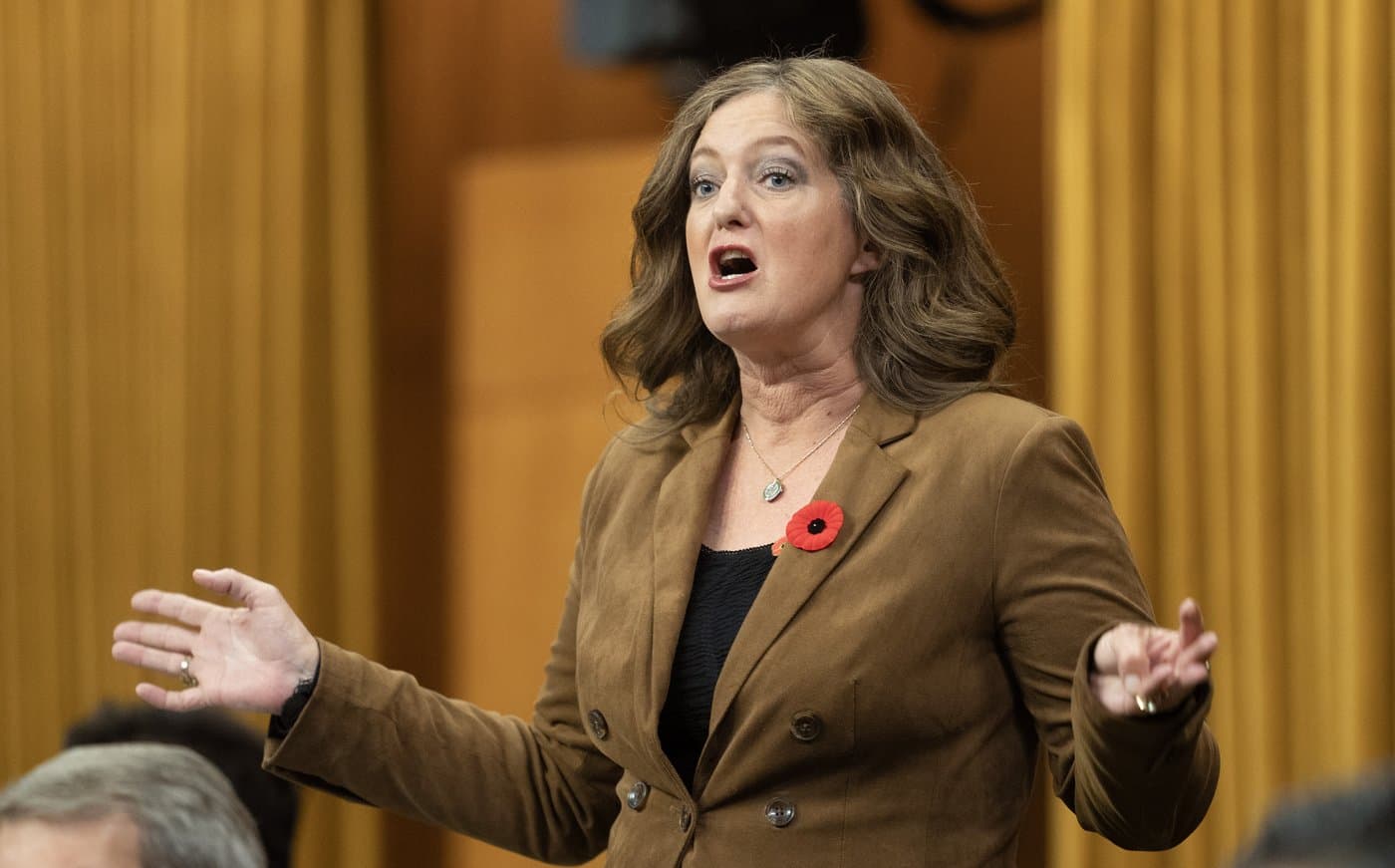
A Liberal MP has introduced legislation to amend the Divorce Act, aiming to let children express preferences to judges in some custody disputes and to strengthen how courts address coercive control and family violence. The bill, tabled by Lisa Hepfner, MP for Hamilton Mountain, was prompted by stories from survivors and advocates who say current family court practices can put children and non-abusive parents at risk.
Hepfner raised the bill in the House of Commons on Wednesday, saying her experience as a former journalist motivated her to act after hearing accounts from Suzanne Zaccour, director of legal affairs at the National Association of Women and the Law. The legislation is expected to face a vote in the House of Commons next week.
What the bill would change
The proposed amendments would add new duties for family lawyers to screen for signs of family violence, expand judicial tools to identify and weigh coercive control, and create circumstances where children can convey their views directly to a judge. Advocates say those changes would help courts consider the full context of family violence, including patterns of psychological and controlling behaviour that do not always leave visible marks.
- Require lawyers to screen for indicators of family violence during divorce proceedings
- Allow judges to consider coercive control as evidence of harm to children, not just physical abuse
- Permit children to communicate preferences to a judge in specific situations, with safeguards
- Provide courts with guidance to prioritise safety and well-being over outdated assumptions about post-separation arrangements
Coercive control refers to a sustained pattern of coercive or controlling behaviour, such as limiting contacts with friends or family, monitoring communications, depriving someone of basic needs, and humiliation or degradation. Legal experts and advocates have argued that family courts often struggle to identify these behaviours and assess their impact on children.
Support from advocates and some MPs
The National Association of Women and the Law, which helped prompt Hepfner’s bill, says nearly 300 organisations across Canada have called for changes to ensure the best interests of children are respected in family court. The bill has drawn support from the Green Party leader Elizabeth May, NDP MP Leah Gazan, and members of Hepfner’s Liberal caucus.
They left the abuser, they disclosed his violence, and then they got punished for being labelled ‘difficult,’ ‘vindictive’ and ‘alienator.' For survivors, the violence does not end with separation. It follows them into the courtroom.
Suzanne Zaccour, National Association of Women and the Law
Kaitlin Geiger-Bardswich, director of communications and advocacy for Women’s Shelters Canada, described the bill as having "life-saving implications" for children and families fleeing violence. She said courts have sometimes ordered children to live with an abusive parent, or limited contact with a protective parent, even when the abusive behaviour was documented.
This bill is essential to ensure that safety and well-being, not outdated myths, guide family court decisions.
Kaitlin Geiger-Bardswich, Women’s Shelters Canada
Voices from survivors
Survivor testimony was central to the bill’s origin. Hepfner cited accounts from women and children who said courts failed to recognise controlling behaviour as a form of family violence. Those failures, advocates argue, can expose children to continued harm after separation.
I cannot change what happened to me, but I can, and I will, use my voice to prevent others from experiencing the same.
Ismena Toscan, survivor
Hepfner and advocates said children often do not disclose abuse immediately, because they lack the language to describe it or fear consequences. The bill would create a structured way for children to express views in suitable cases, while aiming to protect them from retraumatization.
Next steps and legal context
The bill will be subject to a vote in the House of Commons next week. If it proceeds, it would enter committee review where MPs could propose amendments. Family law in Canada already requires that a child's best interests be a primary consideration. The proposed changes focus on improving how courts assess less visible forms of abuse and on ensuring children's perspectives can be heard in appropriate circumstances.
Some legal practitioners and commentators have warned about possible unintended consequences, such as exposing children to legal stress or complicating custody assessments. Hepfner said the bill includes safeguards to balance the child’s voice with protection from further harm and to ensure that screening and evidence practices are applied carefully.
Advocacy groups long involved in family law reform will watch the vote closely. Nearly 300 organisations that support the National Association of Women and the Law have urged lawmakers to adopt changes that centre safety and the lived experiences of survivors.
The proposed amendments aim to change how family courts understand and weigh harm, not to replace existing legal standards. Supporters say the changes reflect evolving research on how coercive control affects children and on the limits of relying solely on evidence of physical violence.
If passed, the bill would reshape screening practices, evidence assessment, and the avenues available for children to participate in custody decisions, with a stated purpose of improving safety and family court outcomes. Parliamentarians will decide its fate in the coming days.
Divorce Actfamily lawcoercive controlchildrenLisa Hepfner