Live Q&A: Ask about the China trade deal and what it means for Canadian EVs
The federal government announced a reduced-tariff arrangement with China that includes a 49,000 EV quota and reciprocal tariff cuts on canola, lobster, crab and peas. Join a live Q&A Jan. 22.
Copy link
By Torontoer Staff
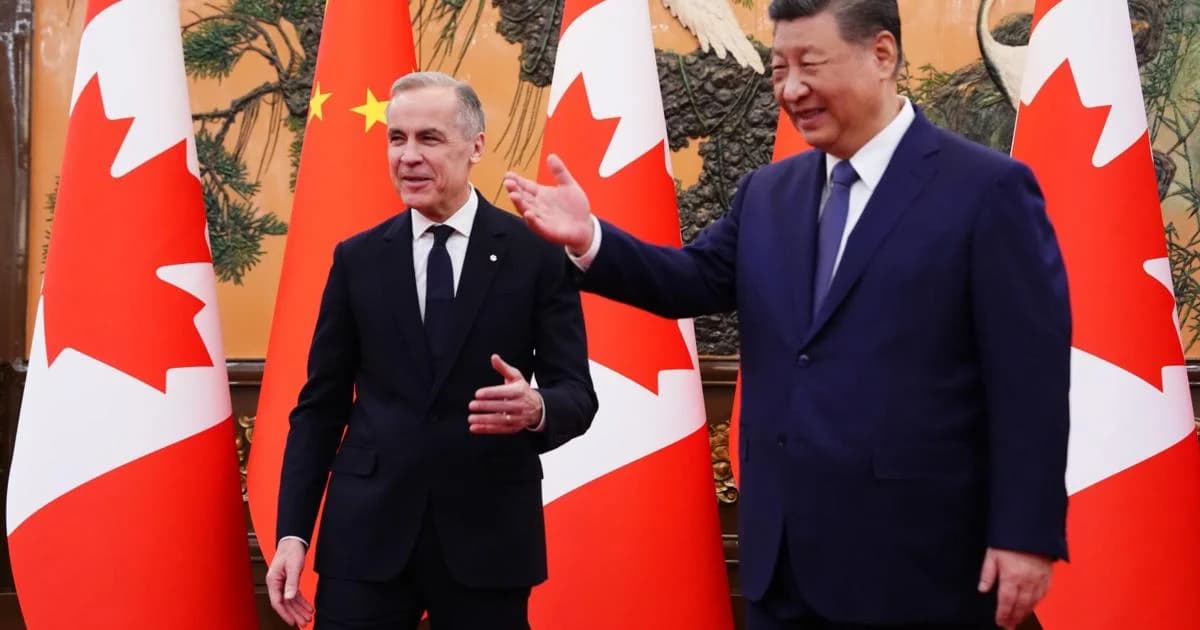
The federal government announced a reduced-tariff arrangement with China that includes a 49,000 electric-vehicle quota and reciprocal tariff cuts on Canadian canola, lobster, crab and peas. The deal raises questions about supply, prices and the future of Canada’s EV industry.
Marco Chown Oved, the Star’s reporter covering electric vehicles, will answer reader questions in a live Q&A on Thursday, January 22 at 1 p.m. He will discuss the details of the agreement, potential impacts on consumers and manufacturers, and what the move means for Canadian exporters.
What the agreement covers
Officials describe the arrangement as reciprocal tariff adjustments designed to ease trade in specific goods. The package includes a quota for 49,000 electric vehicles and reduced Chinese tariffs on several Canadian agricultural and seafood exports, including canola, lobster, crab and peas. The announcement did not provide exhaustive technical details, nor did it include a full timeline for the quota or tariff changes.
Trade arrangements like this typically aim to balance competing domestic priorities: protecting local producers, expanding export opportunities, and giving consumers access to a broader range of products at competitive prices. Details on how the EV quota will be administered, whether it applies to imports or exports, and how long it will last will matter to industry players and policymakers.
Potential effects on the EV market
If the quota increases the number of EVs entering Canada, it could lower consumer prices in the short term by adding supply. Automakers and dealers may respond by adjusting production and inventory plans. Conversely, a sudden increase in imports could pressure Canadian assembly plants and supply-chain companies.
For Canadian EV manufacturers and suppliers, the outcome depends on quota rules, eligibility criteria and any accompanying measures such as incentives or protections for domestic producers. Observers will watch for clauses on safety standards, vehicle certification and tariffs on components, all of which affect how competitive Canadian-made vehicles remain.
What it means for farmers and fishers
Lower Chinese tariffs on canola, lobster, crab and peas could open sales opportunities for producers and exporters. Access to a large market like China can help stabilize demand and support prices for some commodities, though market responses vary by product and global conditions.
Export benefits will depend on logistics, certification and ongoing diplomatic relations. Industry groups will be watching for any export rules, sanitary or phytosanitary requirements, and the timeline for tariff reductions to come into effect.
Questions readers are asking
Readers are likely to want clarity on who benefits from the deal, how the EV quota will be administered, and whether Canadian workers in automotive and agricultural sectors will be protected. Other common concerns include vehicle safety standards, warranty and after-sales support for imported EVs, and long-term effects on domestic investment.
- How will the 49,000-vehicle quota be allocated and over what period?
- Will imported EVs meet Canadian safety and emissions standards?
- What safeguards exist for Canadian manufacturers and workers?
- When do tariff reductions for canola, lobster, crab and peas take effect?
Marco Chown Oved, the Star’s EV reporter, will take reader questions in a live Q&A on Thursday, January 22 at 1 p.m.
Toronto Star announcement
How to join the live Q&A
The live session begins at 1 p.m. on Thursday, January 22. Leave questions in the Conversations section before the event or join the chat live.
- Sign in at the top right of the Star’s website or the lower right of the app.
- If you do not have an account, register using the same sign-in link.
- Registered and logged-in readers may post questions during the live chat.
- Non-registered readers can view the live chat but cannot post questions.
All discussion is subject to moderation and the Star’s Code of Conduct. Moderators will remove off-topic or abusive comments and may edit submissions that violate the rules.
What to bring to the Q&A
Prepare concise questions that specify which aspect you want covered: the technical details of the trade terms, likely consumer impacts, implications for domestic industry, or export effects for specific commodities. Clear, targeted questions make it easier for the reporter to give concrete, sourced answers during the limited time.
Marco Chown Oved will draw on reporting and industry sources to answer questions live. If a question requires detailed follow-up or confidential documents, he may offer to pursue it as a separate piece for the Star.
The deal marks a notable development in Canada-China trade relations, with potential consequences for consumers, manufacturers and exporters. Join the live Q&A to get direct answers from a reporter covering the story and to raise specific concerns about how the arrangement could affect your business or household.
Canada-China tradeelectric vehiclesMarco Chown Ovedcanolalive Q&A