Mark Carney says he expects US to respect Canadian sovereignty after meetings with Alberta separatists
Former central banker Mark Carney urged the US to respect Canadian sovereignty after reports that American officials met with Alberta separatists ahead of a possible referendum.
Copy link
By Torontoer Staff
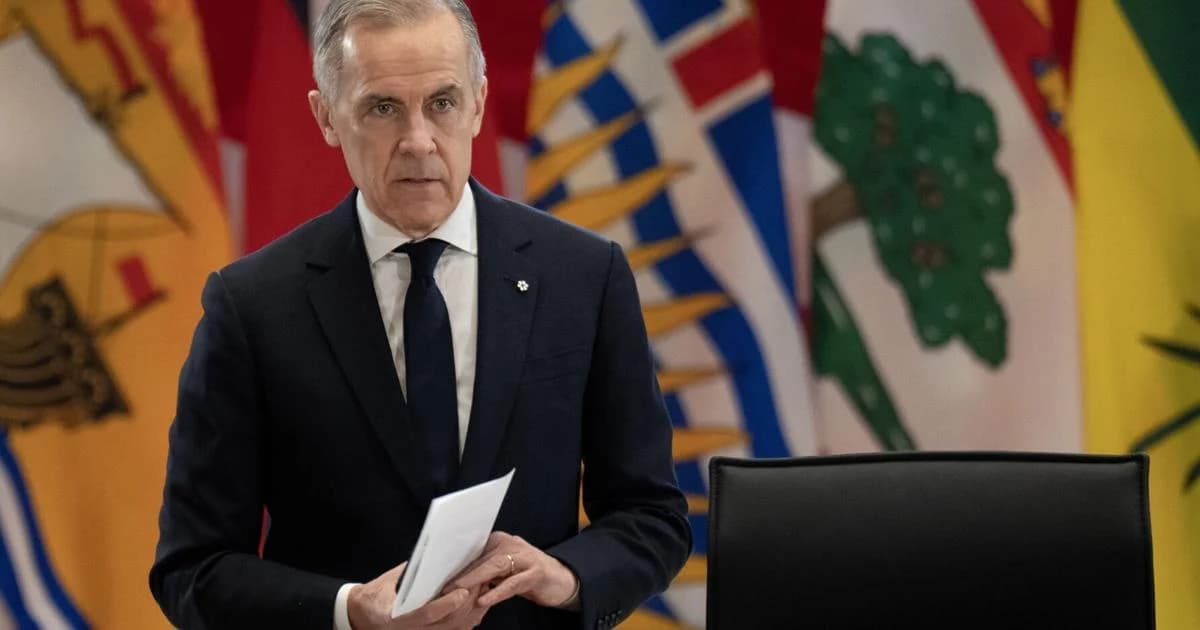
Former central banker Mark Carney said he expects the United States to respect Canadian sovereignty after reports that U.S. government officials met with Albertan separatists ahead of a possible independence referendum. Carney added that President Donald Trump has not raised Alberta or Quebec separation in their conversations.
The meetings, first reported in Canadian outlets and picked up internationally, set off sharp reactions from provincial leaders and federal politicians who described the contacts as inappropriate and, in some cases, tantamount to foreign interference.
What the reports say
Alberta lawyer Jeffrey Rath, identified by media as one of the activists who met U.S. officials, told the Toronto Star he participated in discussions with what he described as "senior" American officials. Rath said the officials were "very enthusiastic" about plans for Alberta independence and that the conversations touched on the idea of a credit facility that could lend up to US$500 billion to support a future independent Alberta.
The U.S. State Department acknowledged the meetings but described them as routine contacts with civil society. "The Department regularly meets with civil society types. As is typical in routine meetings such as these, no commitments were made," a State Department spokesperson said by email. The White House issued a similar statement that no support or commitments were conveyed.
Political reactions in Canada
The reports prompted immediate condemnation from some provincial leaders. British Columbia Premier David Eby called the meetings a betrayal and used the word "treason" to describe asking a foreign power for help in breaking up Canada. Ontario Premier Doug Ford said negotiating behind Canada's back was unacceptable and urged Alberta Premier Danielle Smith to denounce the movement.
To ask for assistance in breaking up Canada, there’s an old-fashioned word for that, and that word is treason.
David Eby
Premier Smith defended Albertans who she said have "legitimate grievances" and declined to condemn those pushing for a separation vote. She blamed the previous federal government for alienating some Albertans and said she would instruct the province's delegate in Ottawa to raise the matter with the U.S. ambassador, Pete Hoekstra. Smith also said she expects the U.S. to confine discussions about Alberta’s democratic process to Canadians.
Alberta NDP figures and federal opposition members accused Smith of enabling the separatist movement. Calgary MP Corey Hogan called the reported meetings "wrong" and "dangerous," while other critics said private citizens should not be seeking foreign assistance for plans that would affect the country as a whole.
Legal context and what "treason" means
Some of the strongest language came from officials who said the discussions crossed a line. The Criminal Code defines treason in narrow terms, including using or conspiring to use force to overthrow the government, and revealing information to another country that could harm Canadian defence or security. High treason includes attempts to kill the sovereign or wage war against Canada.
Legal experts say allegations of treason require proof of intent and actions that meet those legal thresholds. Simply holding meetings abroad or discussing hypothetical financing would not automatically meet the statutory definitions, but the reports have nevertheless intensified scrutiny of how foreign contacts are conducted and disclosed.
Where this leaves Ottawa and the provinces
Carney, speaking at a premiers' meeting in Ottawa, said he expects respect for Canadian sovereignty "at all times, without exception," and that he is clear with President Trump on that point. He reiterated that Trump has not raised separation in their exchanges. The premiers' gathering itself took place against broader tensions over trade and infrastructure between Canada and the United States.
U.S. officials have maintained the contacts were routine and that no commitments were made. Canadian leaders who view the meetings as a threat to national unity have asked for explanations and for assurances that foreign governments will not support efforts to break up the country.
- Jeffrey Rath, an Alberta lawyer, says he met senior U.S. officials and discussed financing ideas for separatist plans.
- The U.S. State Department and the White House called the meetings routine and said no commitments were made.
- Provincial leaders offered contrasting reactions, ranging from calls to investigate to public defence of Albertans' grievances.
Next steps and broader implications
Officials on both sides of the border have downplayed any formal U.S. endorsement of separatist plans. Still, the episode has sharpened debate about foreign influence in domestic politics and about how governments should respond when private citizens seek international contacts on issues that could affect national sovereignty.
Federal and provincial leaders may pursue diplomatic or parliamentary routes to seek clarity, and legal authorities could be asked to review whether any laws were broken. For now, public attention is likely to remain focused on how the provincial governments handle the push for a referendum and how Ottawa addresses concerns about outside involvement.
Carney’s call for respect for Canadian sovereignty underscored a central theme of the response: foreign governments should refrain from involvement in Canada’s internal debates, and Canadian leaders must manage those debates within Canadian institutions.
Canada-US relationsAlberta separatismMark Carney